REPUBLIC OF CONGO
The Republic of the Congo is located in Central Africa, straddling the equator. It lies between the Democratic Republic of the Congo (DRC), Cameroon, the Central African Republic (CAR), Gabon, and Angola, and has a significant potential for mineral resources.
The country covers about 342,000 square kilometers and has a population of about 6 million people, most of whom are young. The Congolese economy is not very diversified and relies heavily on oil production.
Congo has many mineral resources, especially Development Minerals used in construction. Most mining activity is still small-scale and artisanal. Even so, mining of these minerals plays an important role in generating income and supporting local livelihoods, particularly in urban and peri-urban areas where demand for construction materials is growing.
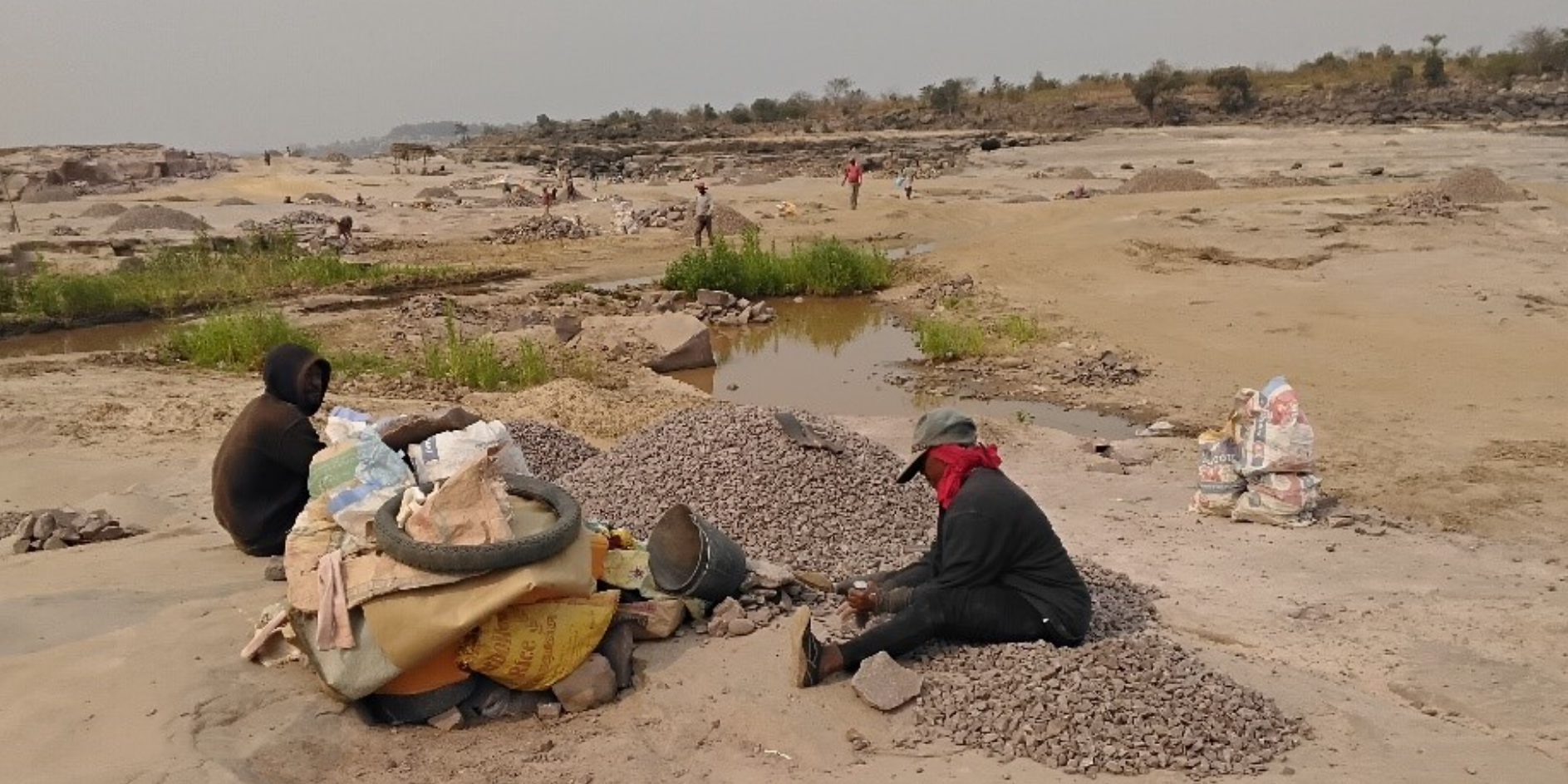
Development Minerals in Congo
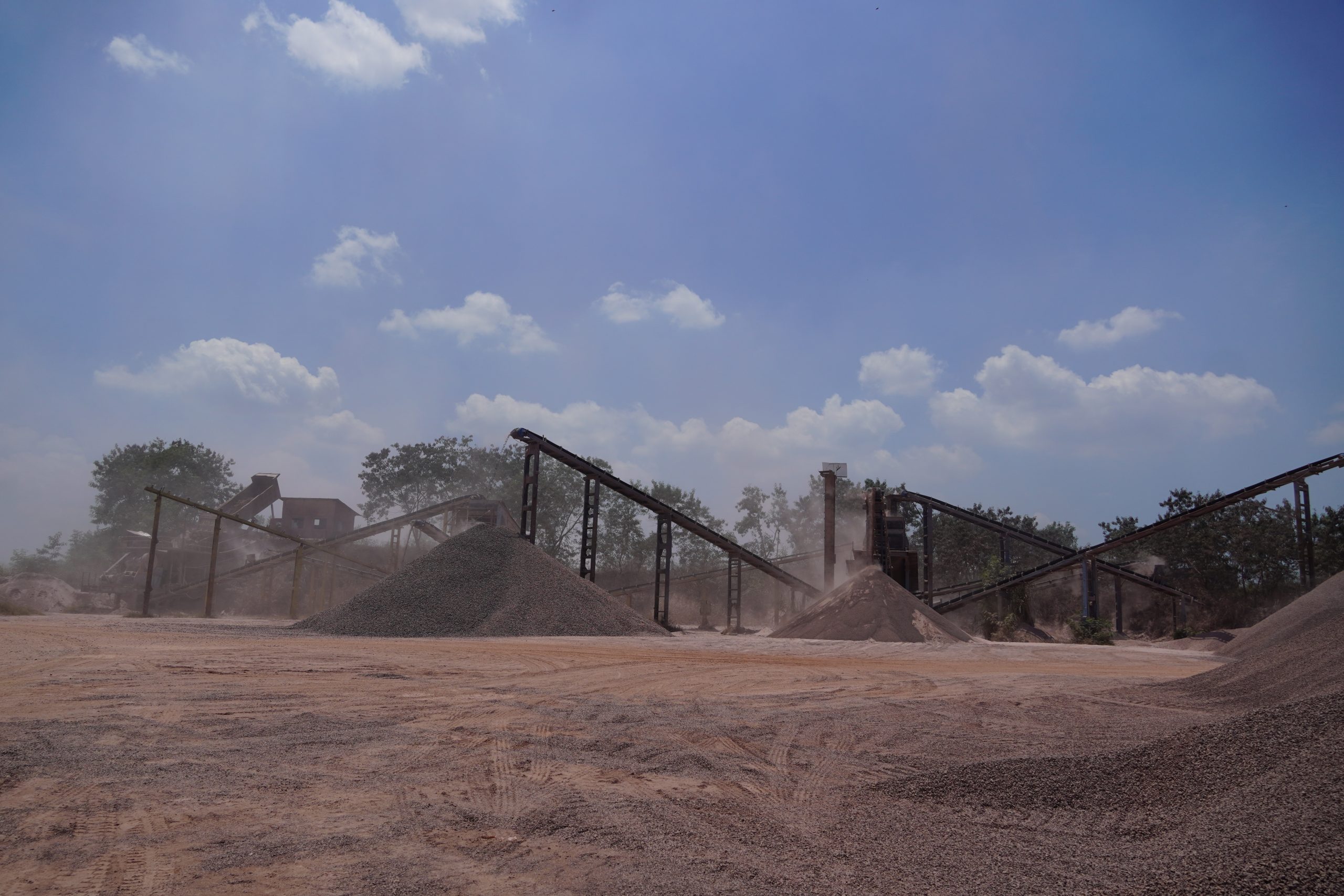
Development minerals are a key part of the construction sector in Congo. Sand, gravel, granite, limestone, and clay are widely mined to meet the growing demand for infrastructure and housing.
Artisanal and small-scale mining
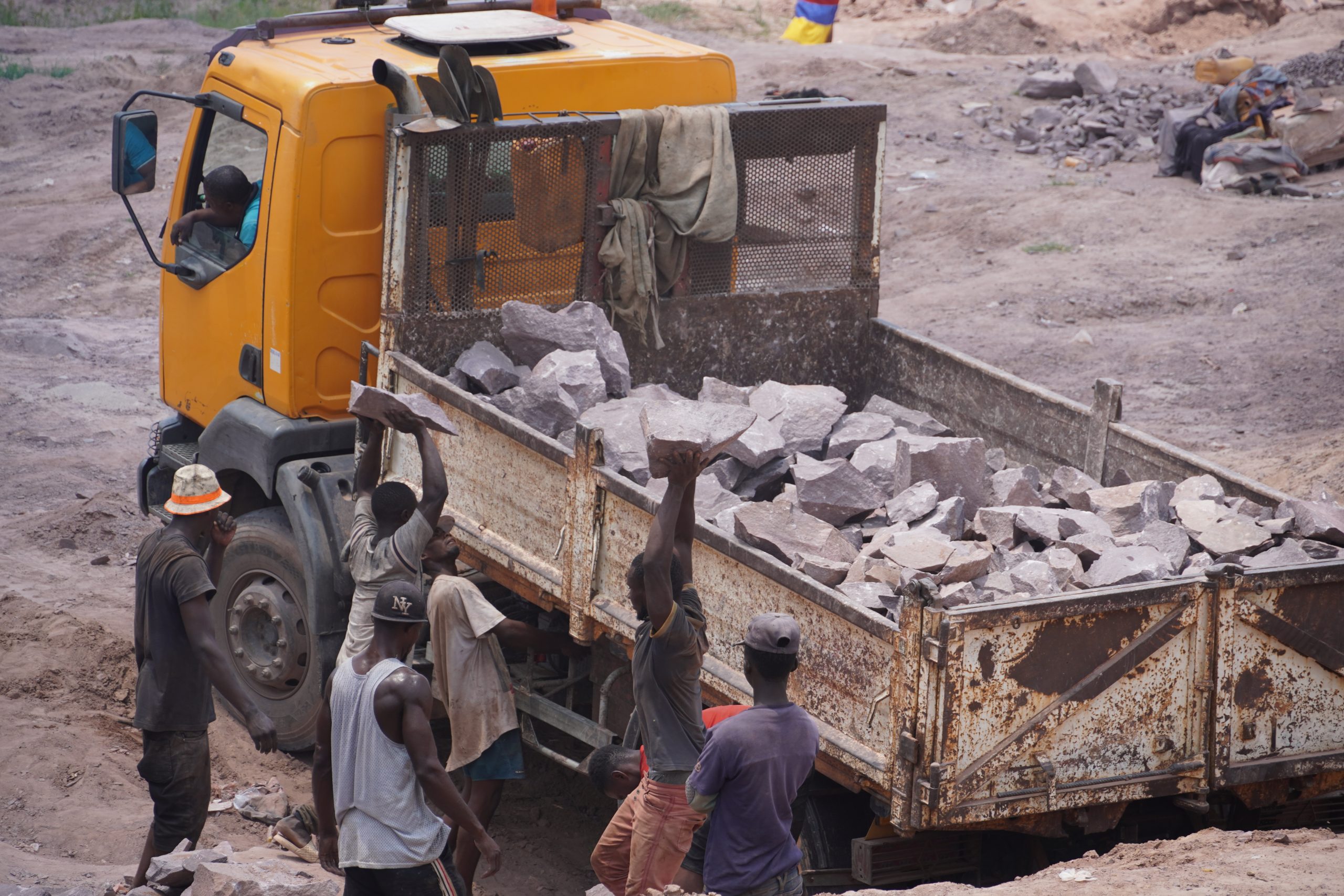
Artisanal and small-scale mining (ASM) dominates this sector and is growing rapidly. Artisanal and small-scale mining, particularly of Development Minerals such as sand and construction materials, plays an important role in the livelihoods of many Congolese households and supplying materials for the construction industry.
250+
artisanal and small-scale mining sites across the country
+20%
increase in the number of artisanal miners over the past decade
940
artisanal and small-scale miners identified, of which 49% are women

300
miners formalized through 6 ASM associations, 70% women

340,314 m³
of sand produced by ASM miners between 2021 and 2023
(42% of national sand production)

>100,000 XAF
average monthly income for over 55% of ASM miners, but still above the national minimum wage
The ASM sector is growing in the Republic of Congo. However, mining activities remain largely informal, with limited access to finance, equipment, training, and markets. Environmental management and occupational safety also remain key concerns.
Government oversight of ASM is led by the Ministry of Mining Industries and Geology, with ongoing efforts to improve regulation, formalization, and support for artisanal miners through institutional strengthening and capacity-building initiatives.

OUR WORK IN CONGO
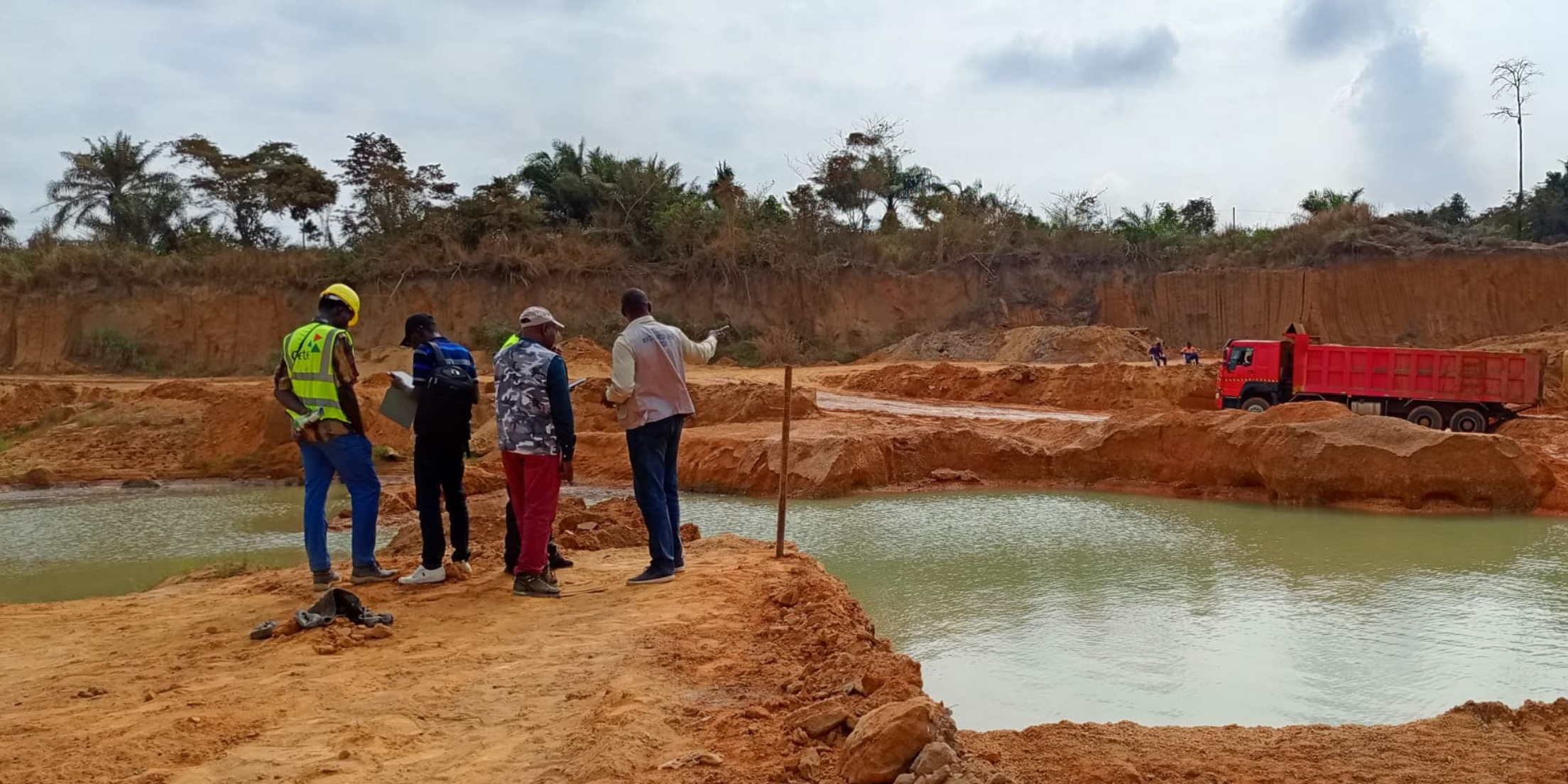
The ACP-EU Development Minerals Programme supports the national sustainable development priorities in the Republic of Congo by strengthening the artisanal small-scale mining sector, particularly for minerals used in construction such as sand, clay, laterite and stone.
The Programme works with national institutions, local communities, private sector and miners’ organizations to strengthen governance, improve environmental and safety practices, and develop sustainable local value chains.
LEGAL AND INSTITUTIONAL ENVIRONMENT
Strengthening the legal and institutional framework is essential for the sustainable development of the Development Minerals sector. The Programme supported better organization and formalization of artisanal and small-scale mining by:
- Raising awareness among miners on formalization, health, and safety
- Strengthening basic business and entrepreneurship skills
- Improving understanding of legal and administrative procedures
- Supporting better access to finance and more structured markets
ENVIRONMENTAL AND SOCIAL SAFEGUARDS
The Programme promoted safer and more responsible mining practices by:
-
- Strengthening miners’ knowledge of environmental management, health, and safety
- Raising awareness of practices to reduce environmental damage
- Promoting good environmental practices, including rehabilitation of mining sites
- Helping identify key health and safety risks and how to reduce them
These actions also contribute to improving environmental protection and reducing the negative impacts of informal mining practices.
VALUE-ADDITION AND INNOVATION
The Programme helped strengthen local value chains in Development Minerals by:
-
-
- Supporting value addition to locally produced construction materials
- Improving productivity, safety, and organization of mining activities
- Strengthening technical and basic business skills of artisanal miners and quarry workers
- Encouraging collective approaches, such as cooperatives, to improve incomes
-
These initiatives help increase incomes for artisanal miners while strengthening the availability of locally produced building materials.
FOCUS AREAS

Enabling Environment
POLICIES AND INSTITUTIONS
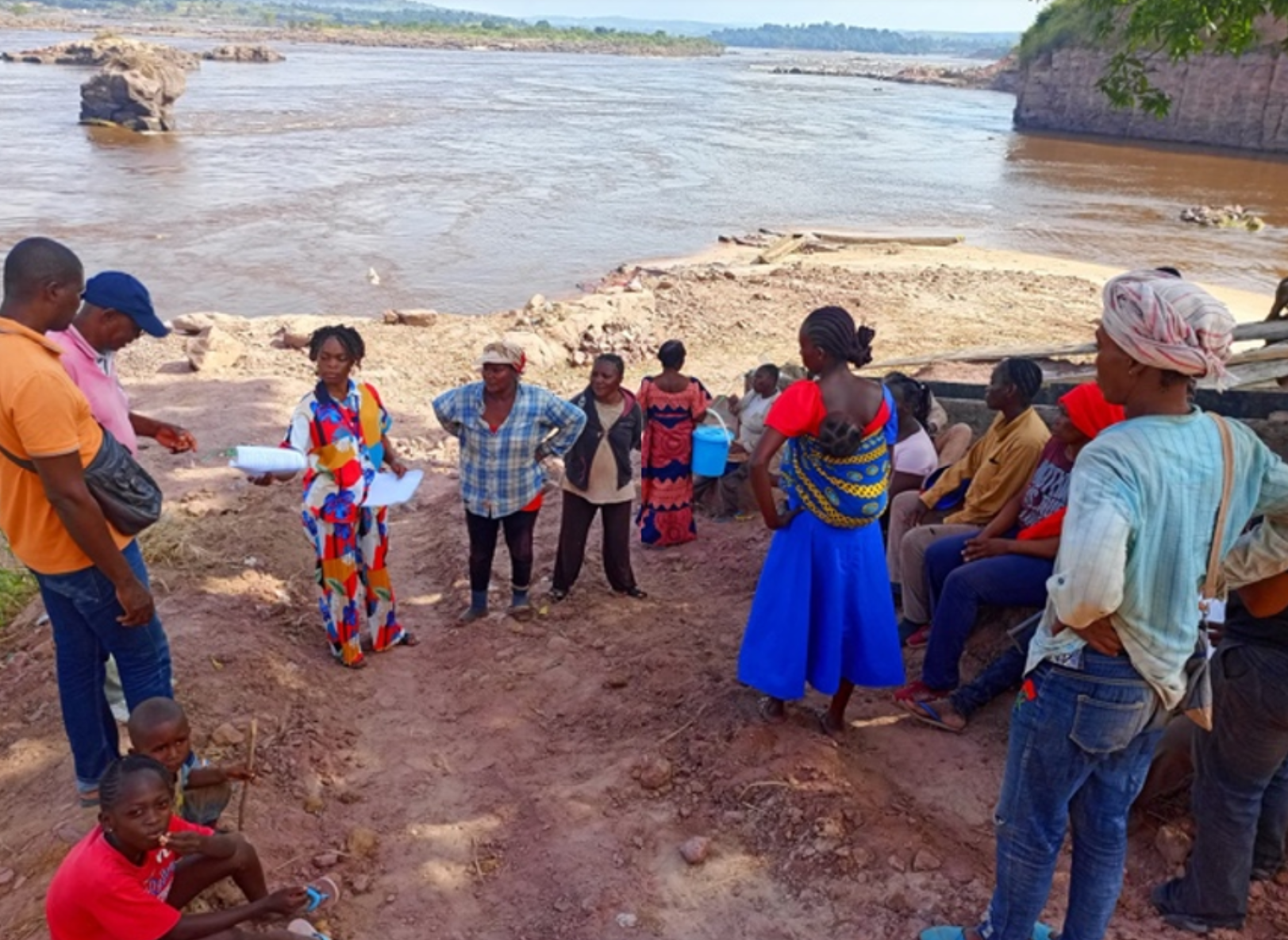
The Programme supports the Government of the Republic of Congo in strengthening the policy and institutional framework for artisanal and small-scale mining. The goal is to encourage formalization of the sector and to support small and medium-sized enterprises (SMEs).
The Programme has helped to:
- Support the strategy for developing the artisanal mining sector, including in Development Minerals, in collaboration with the Department of Small-Scale Mining, Crafts, and Quarries within the Ministry of Mines.
- Develop recommendations to better integrate policies on Development Minerals into existing rules and laws
GEOLOGICAL AND MINERAL INFORMATION
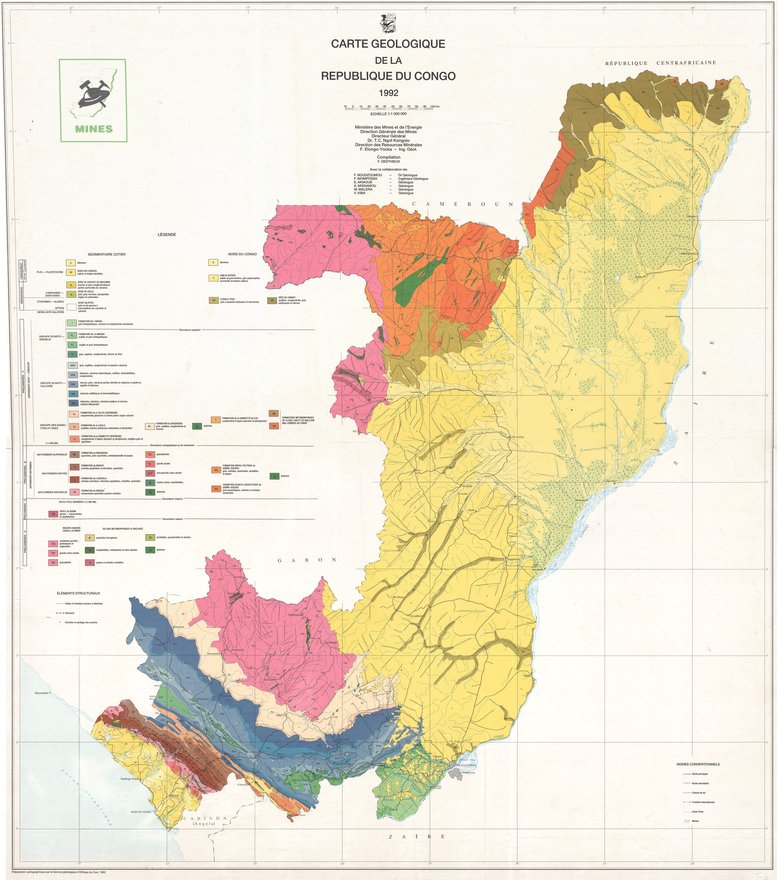
The Programme supported improving knowledge of the country’s geological resources through field surveys, data collection and mapping activities.
Congo has many geological formations spread across several major areas, including the Mayombe range, the Niari-Nyanga and Congolese Basin areas, the Chaillu-Ivindo massif, the Batéké Plateaux, and the coastal basin. These areas contain mineral resources that are mainly used in construction and other local activities.
The Programme supported the collection and organization of geological data through field surveys, including GPS data collection, and the compilation of a database used to complete the baseline study. Existing geological and cartographic materials produced by the Ministry of Mines were consolidated and used to situate project activities geographically. This work supported authorities’ understanding of resource distribution and informed planning of small-scale mining activities with attention to environmental considerations.

Artisanal and small-scale mining
ORGANIZATION AND FORMALIZATION OFARTISANAL AND SMALL-SCALE MINERS
The Programme supports the organization, integration into the formal economy and access to services for the artisanal and small-scale miners.
The actions carried out have resulted in:
- Formalization of six artisanal and small-scale mining (ASM) associations, bringing together nearly 300 members, of whom approximately 70% are women
- Awareness raising among artisanal and small-scale miners on formalization processes, local taxation and support mechanisms for ASM.
ENVIRONMENTAL, SOCIAL, GOVERNANCE AND SAFETY PRACTICES
The Programme works to improve working conditions, health, safety, and environmental management in the development minerals sector in Congo, while also strengthening the skills and capacities of local actors.
Results include:
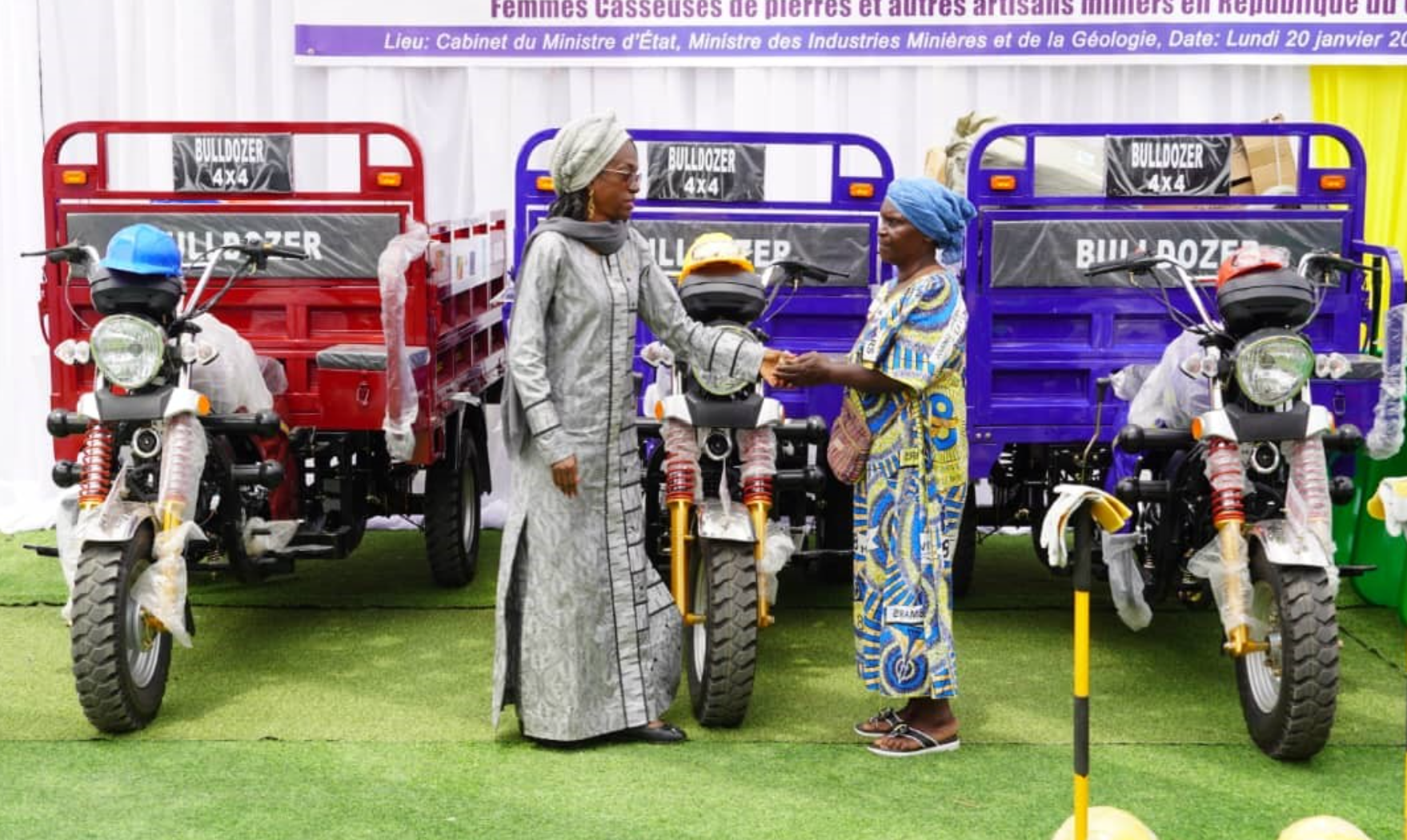
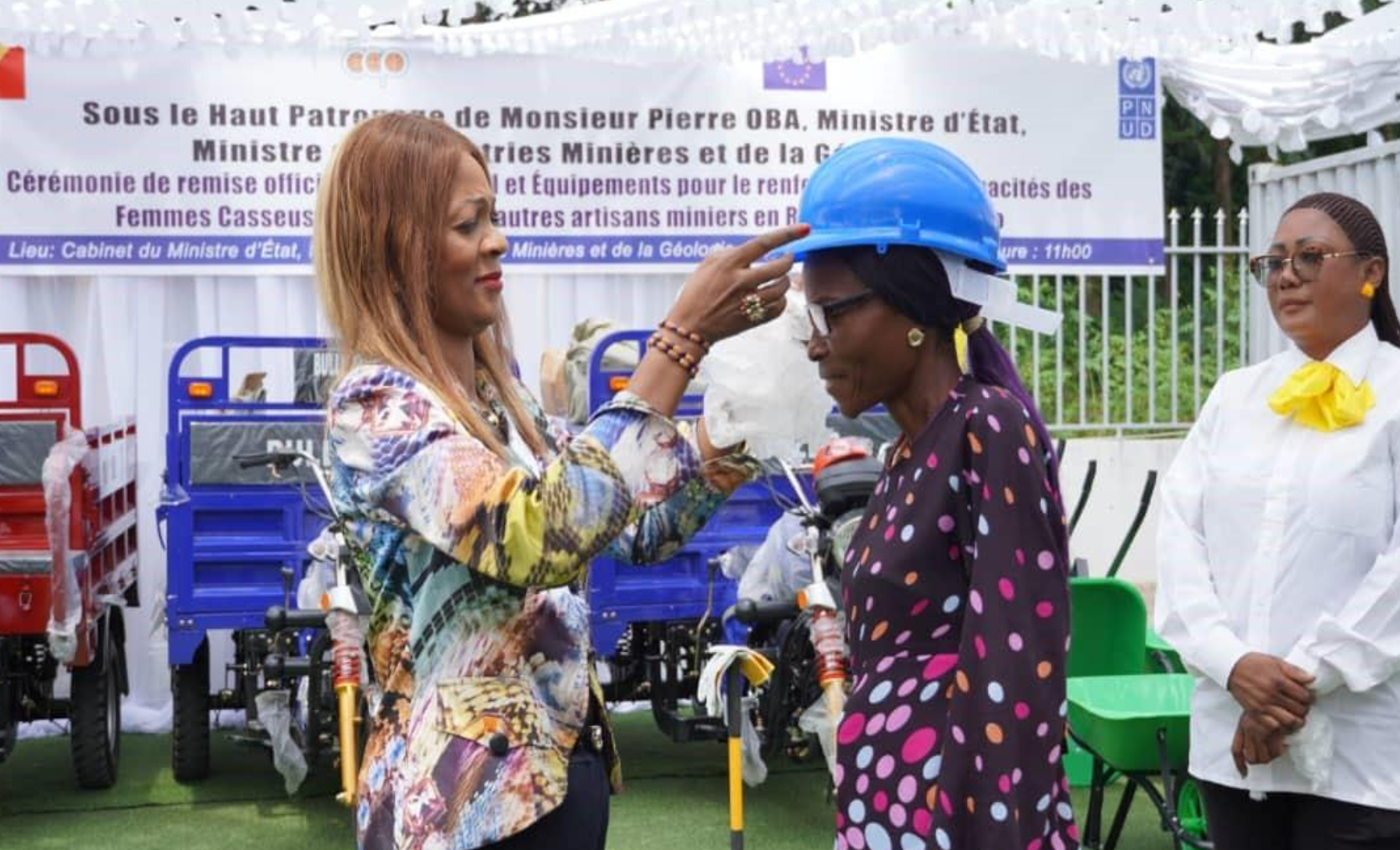
- Providing 400 miners with personal protective equipment, 50% of whom are women
- Building the capacity of 52 mining – sector’s participants on environmental, social, and safety issues
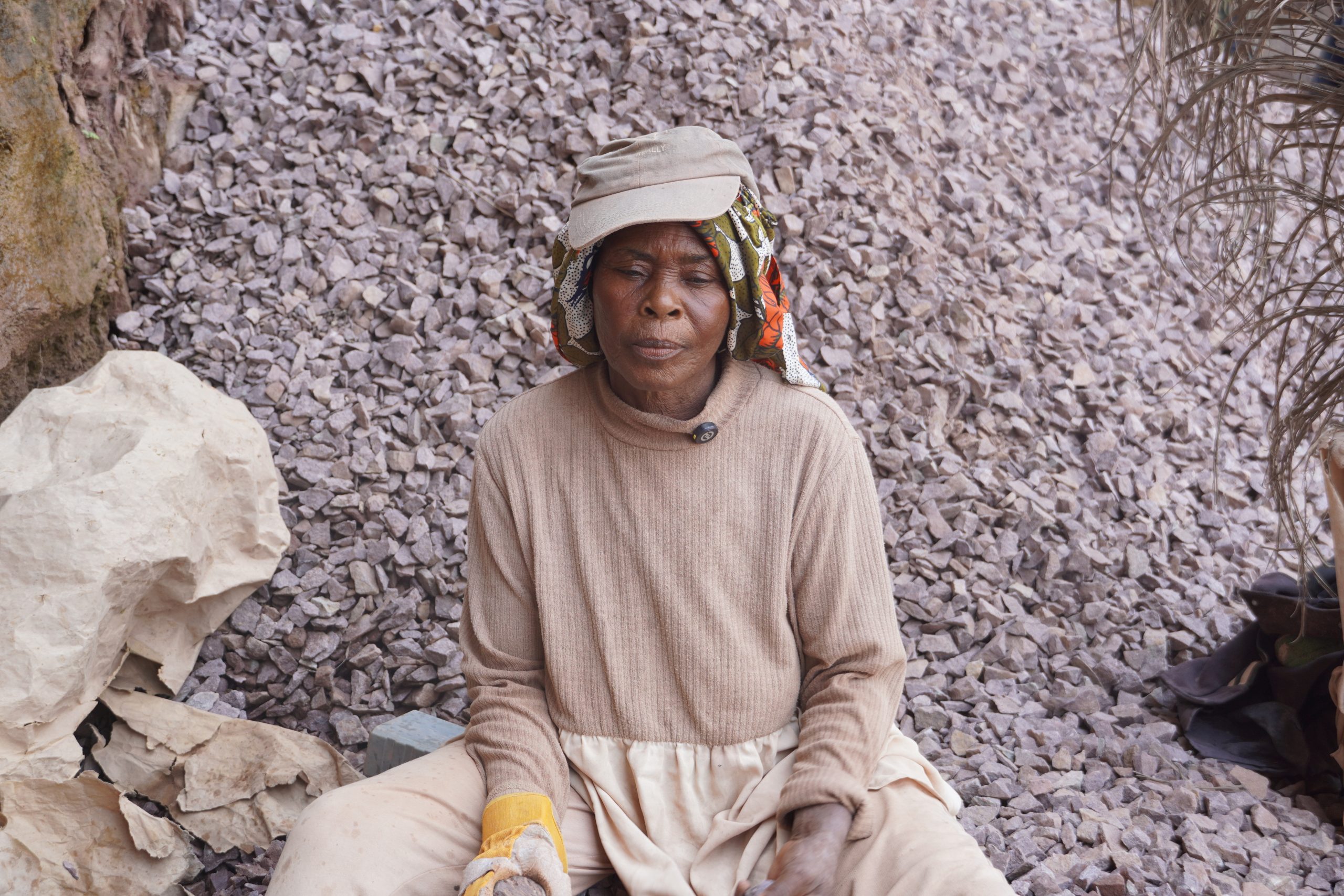
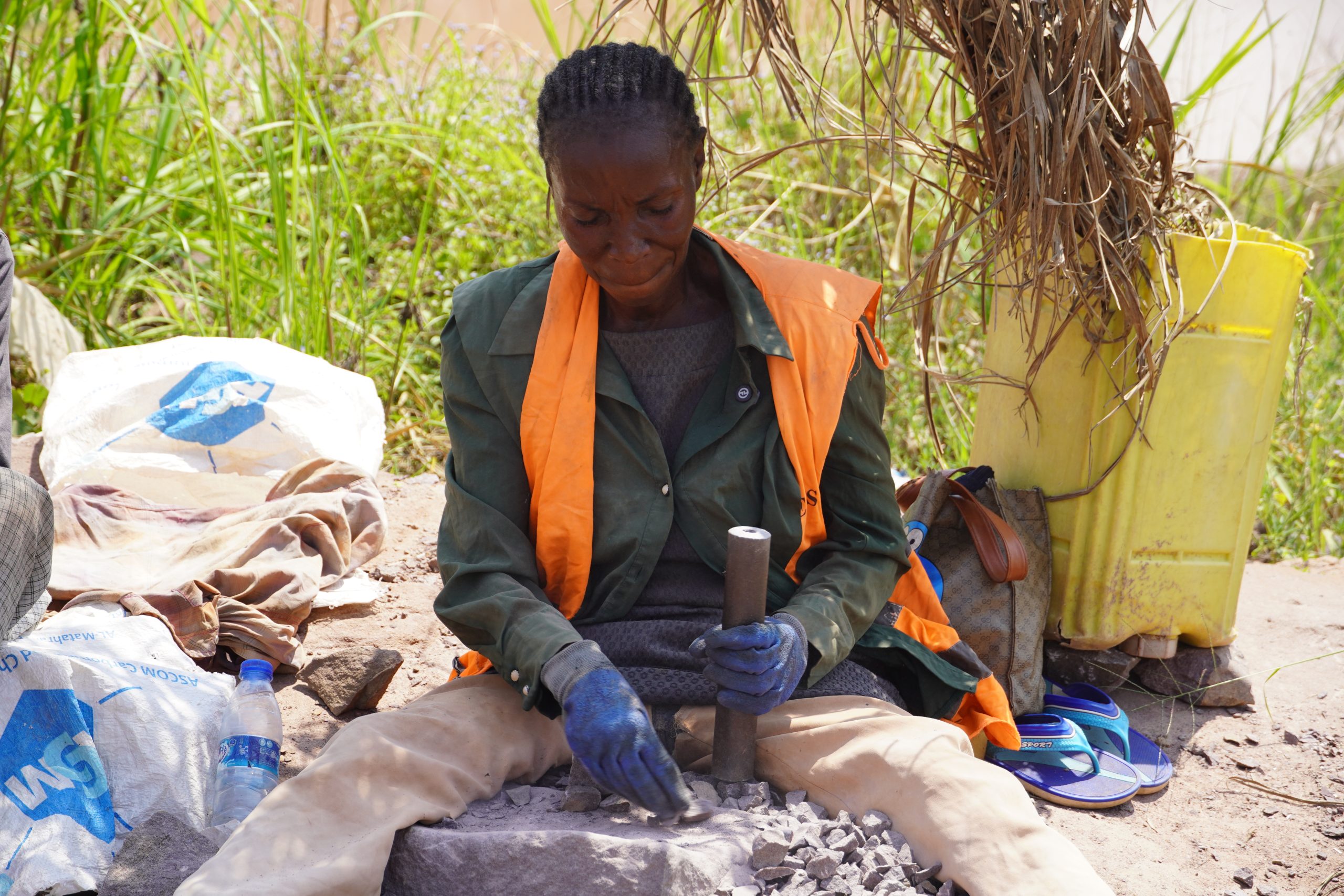
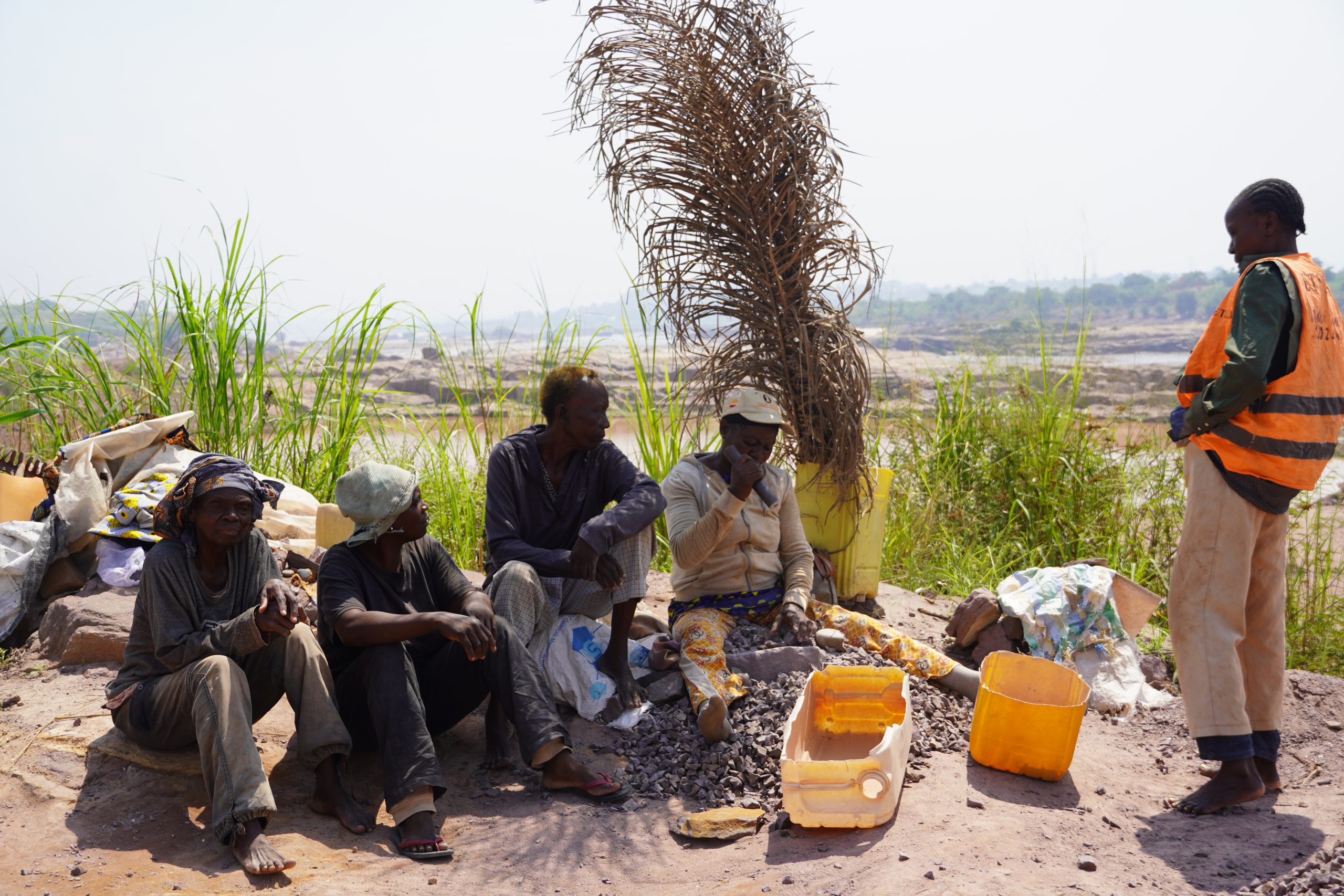
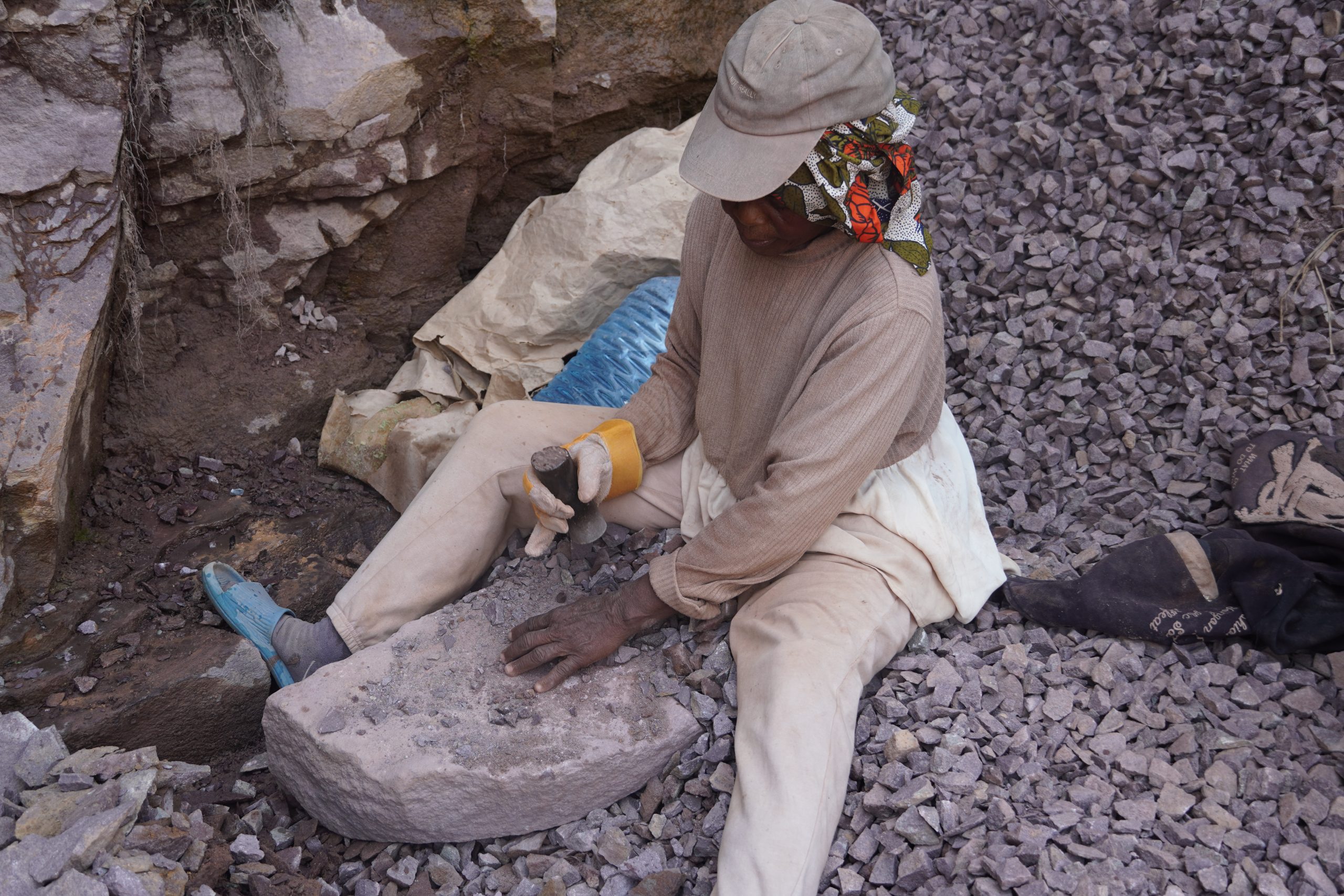
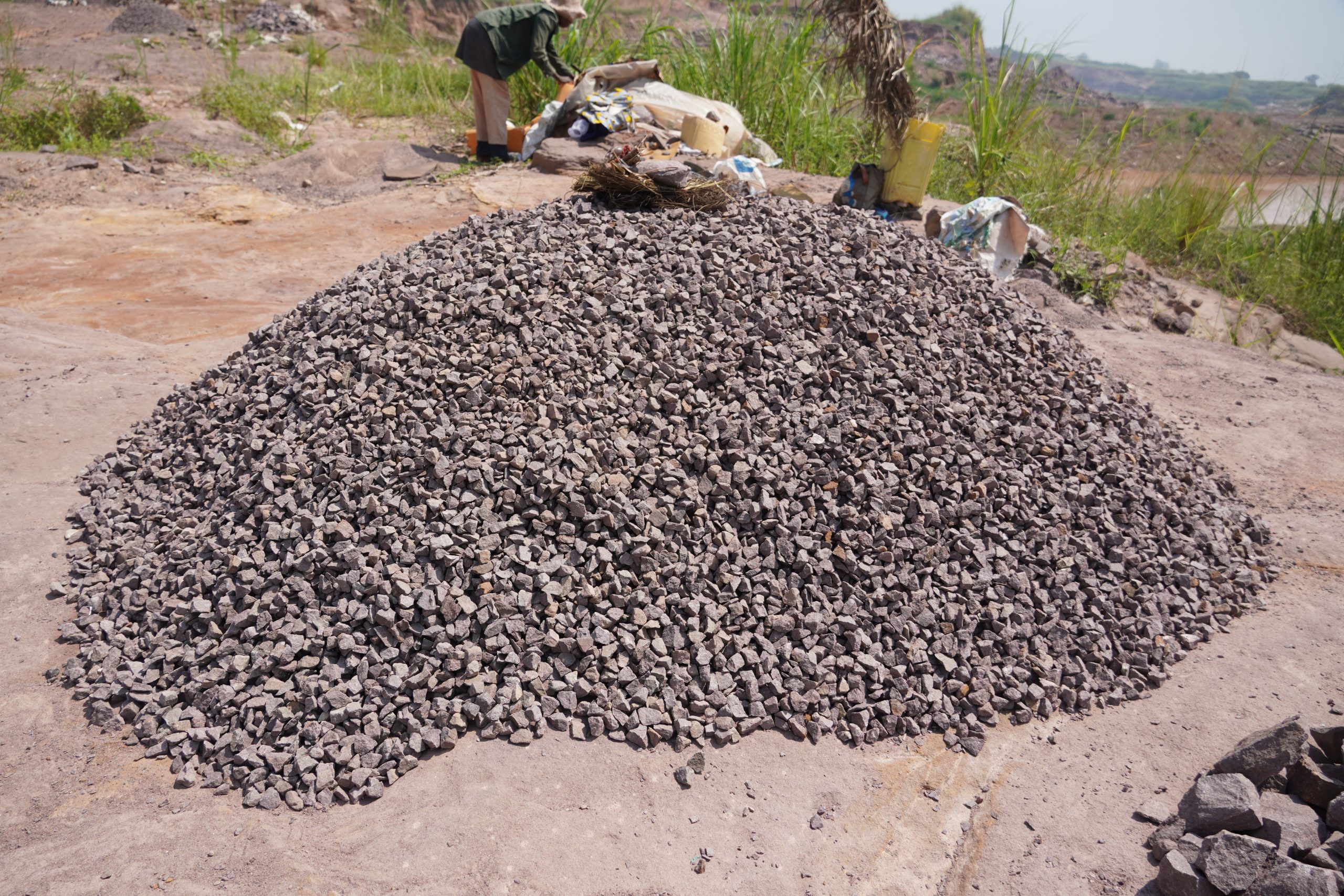
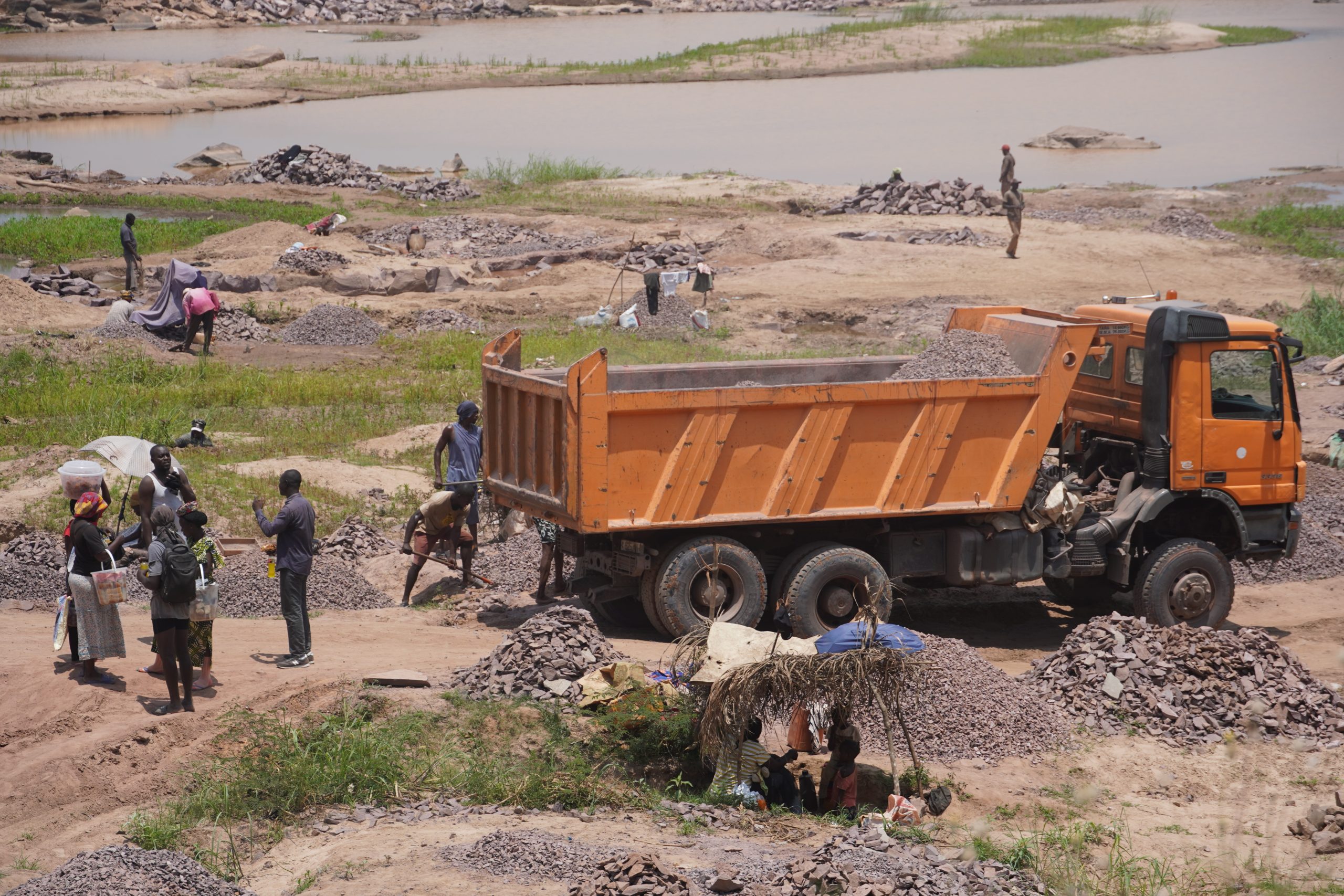
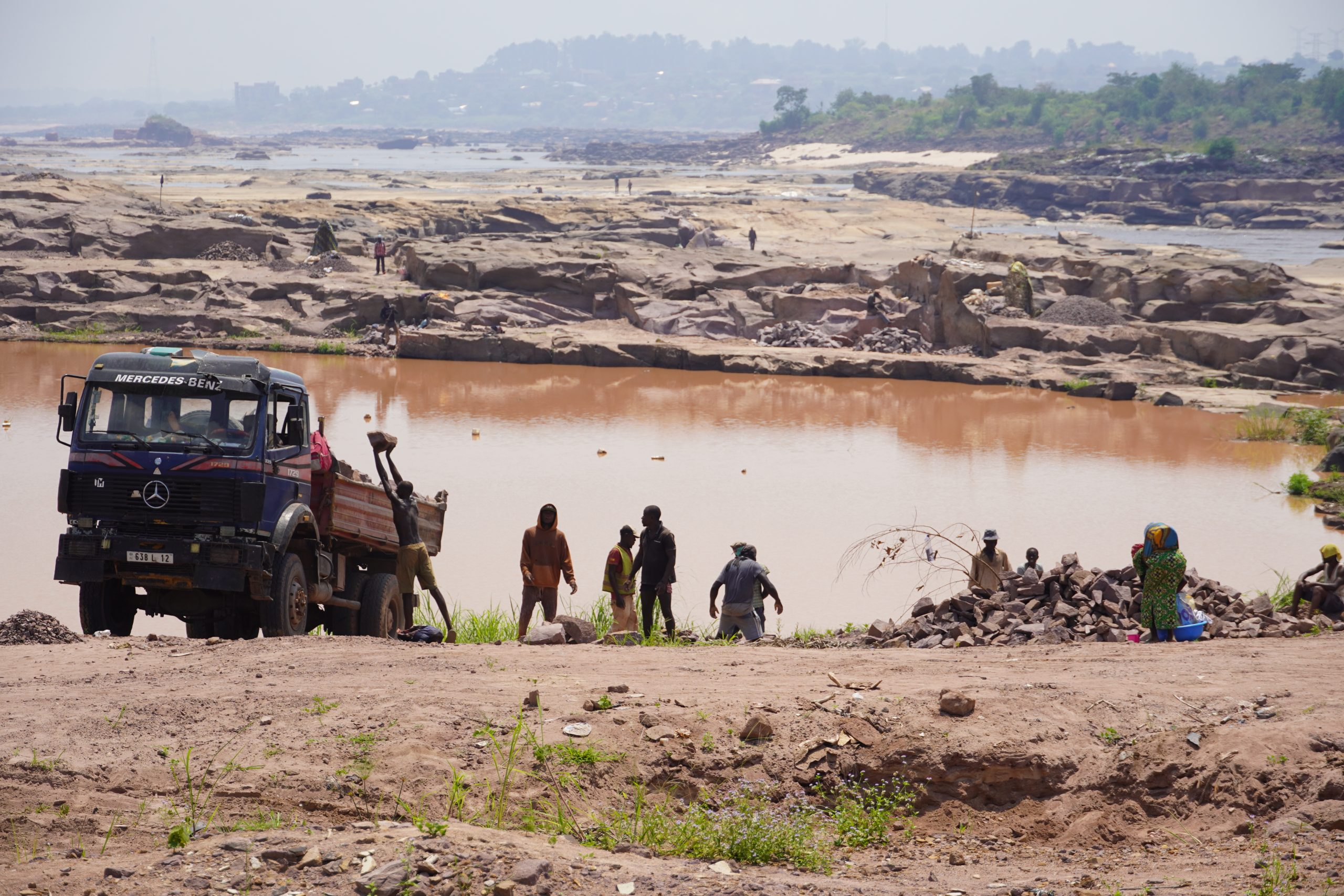
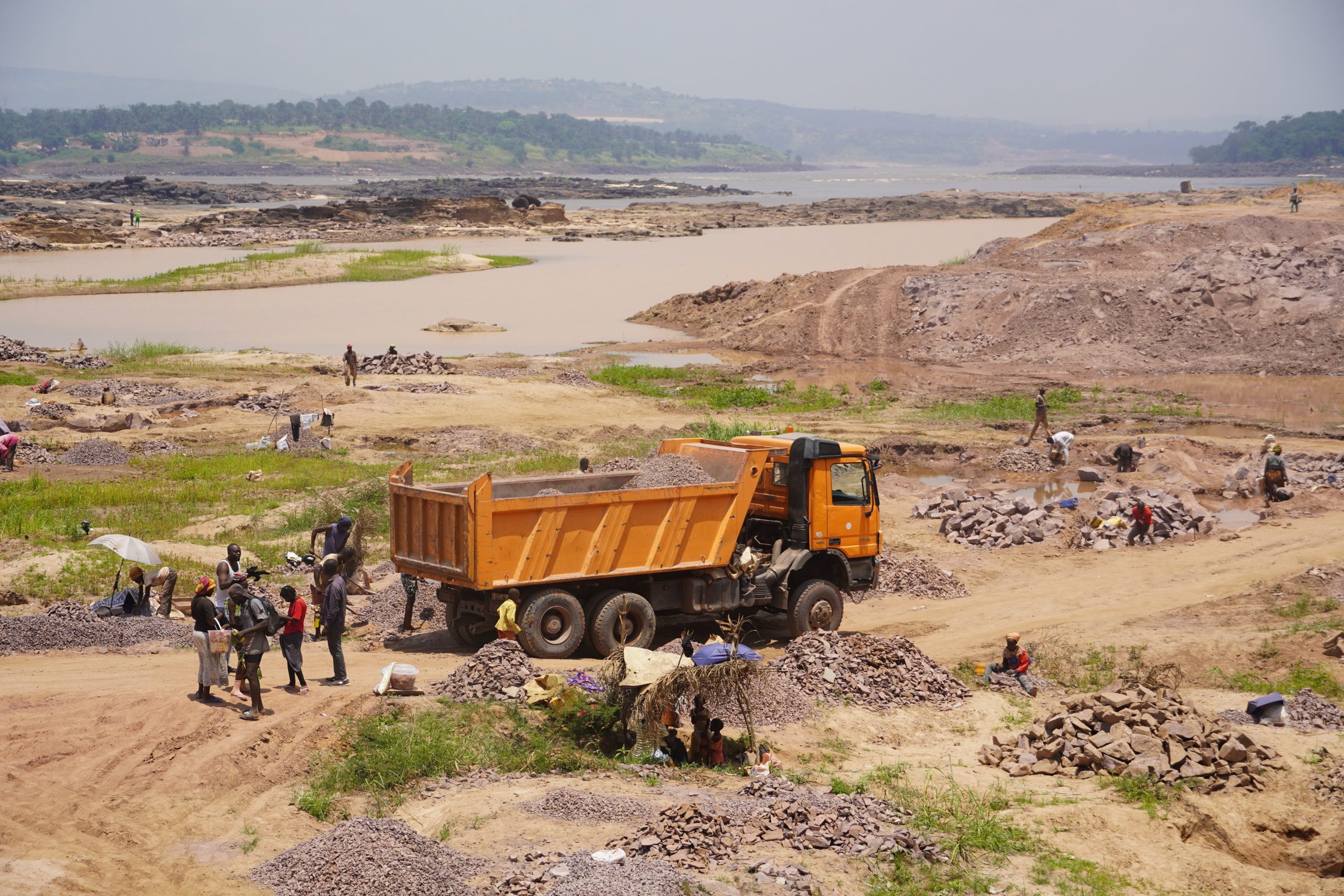
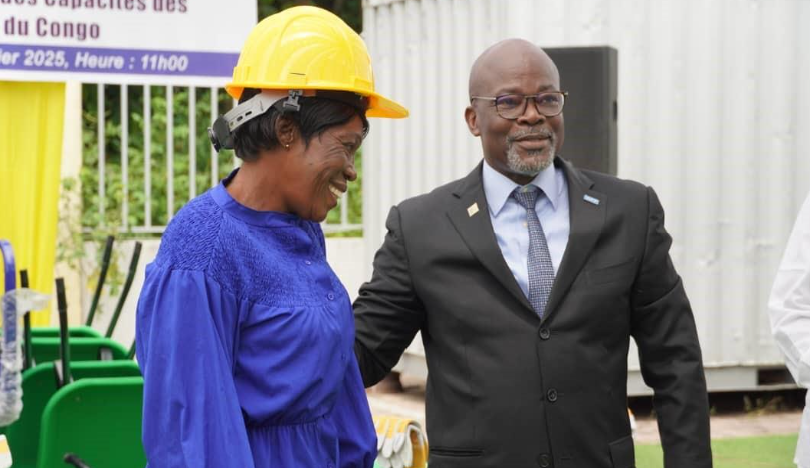
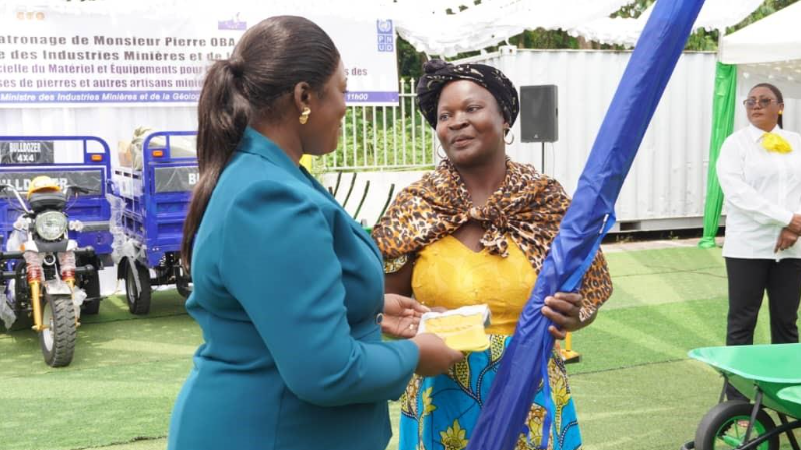
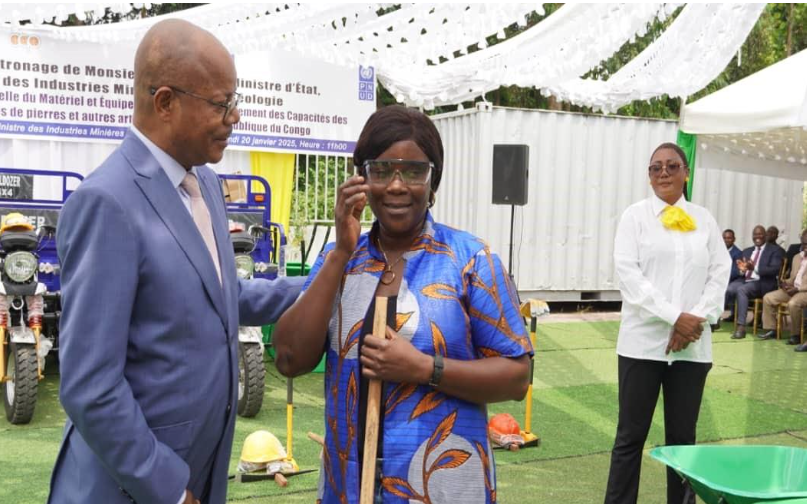
- Improving safety and productivity for the women stone crushers’ association at the Kombé quarry, which includes around 800 members, 50% of whom are women
EMPOWERING WOMEN IN ARTISANAL MINING
Recognizing the important role women play in artisanal mining, the Programme supports actions aimed at strengthening their economic independence and participation in the sector.
These actions include:
- Promoting women’s participation in mining activities
- Improving their access to finance, training, and equipment
- Supporting processing, marketing, and value addition activities for development minerals
These interventions aim to increase women’s incomes and encourage more equitable participation within mining communities.

Business and value chain development
Entrepreneurship and Business Development
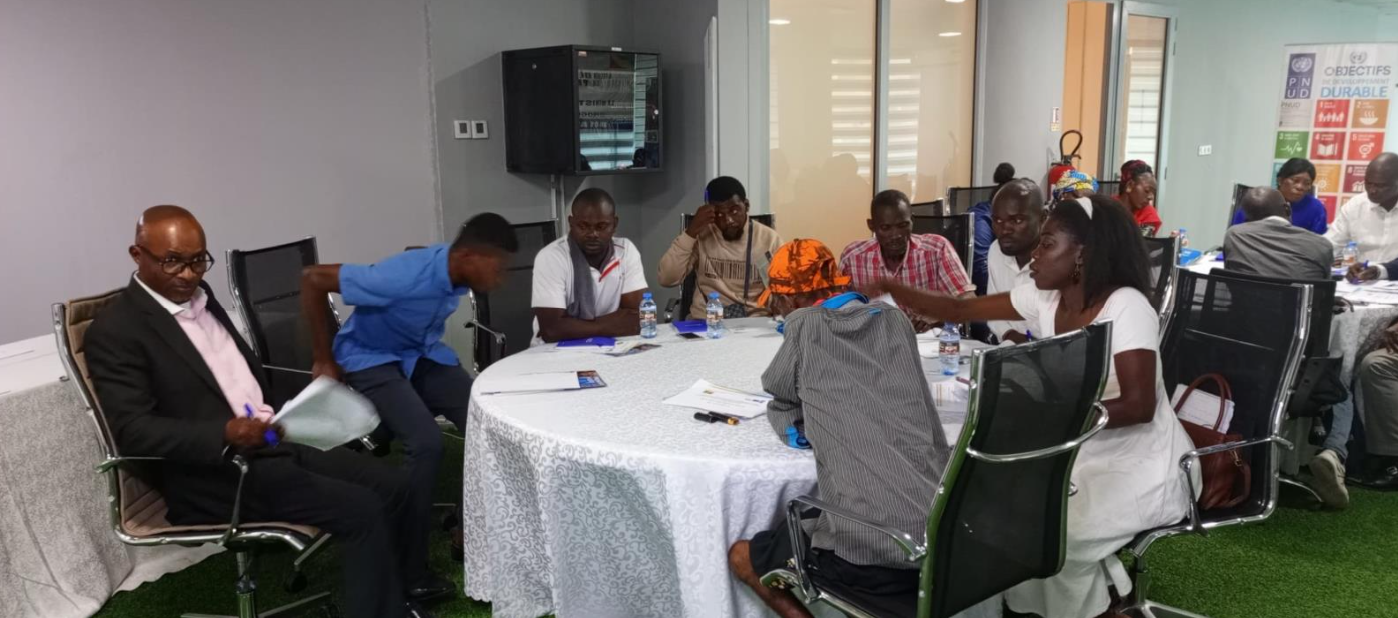
The Programme supports entrepreneurship and skills development for artisanal and small-scale mining stakeholders to enhance productivity, improve incomes, and strengthen the overall economic viability of ASM mining activities.
The actions carried out include:
- Strengthening the skills of artisanal miners to improve their production practices
- Training in financial management, business planning and entrepreneurship
- Training in the governance of cooperatives
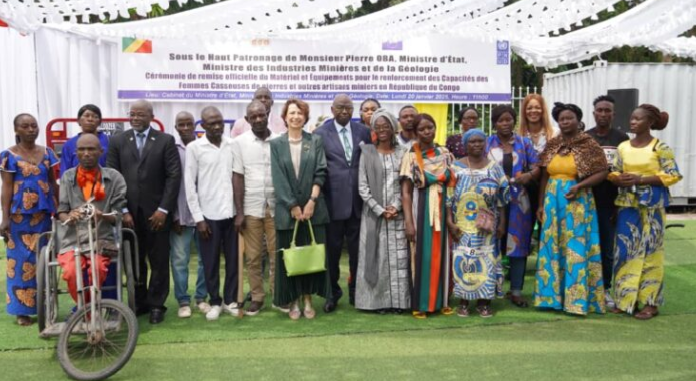
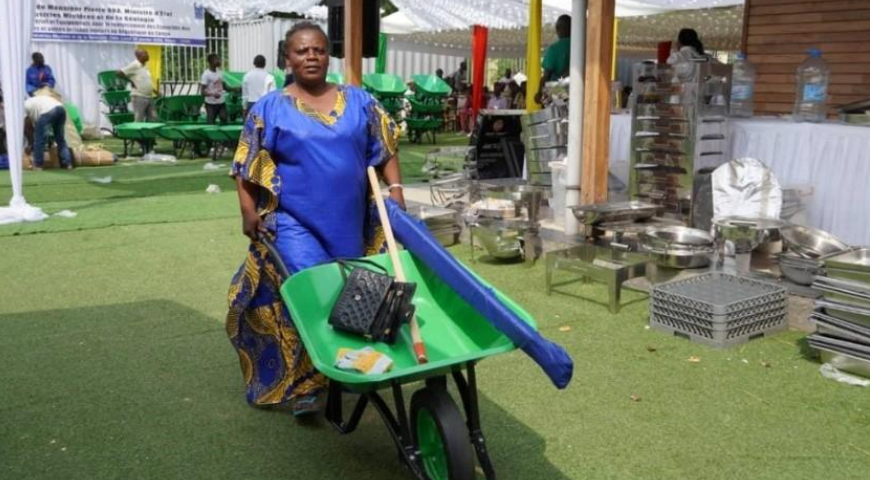
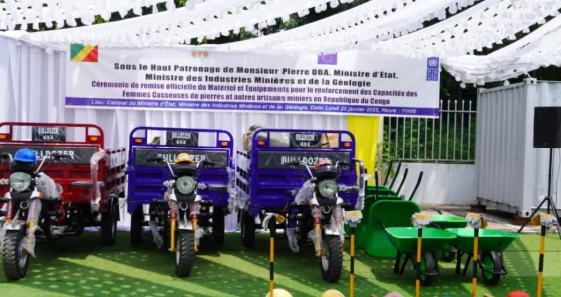
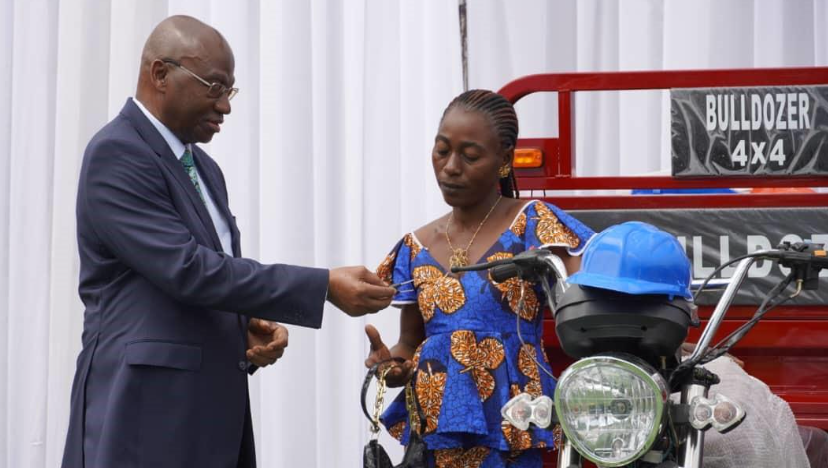
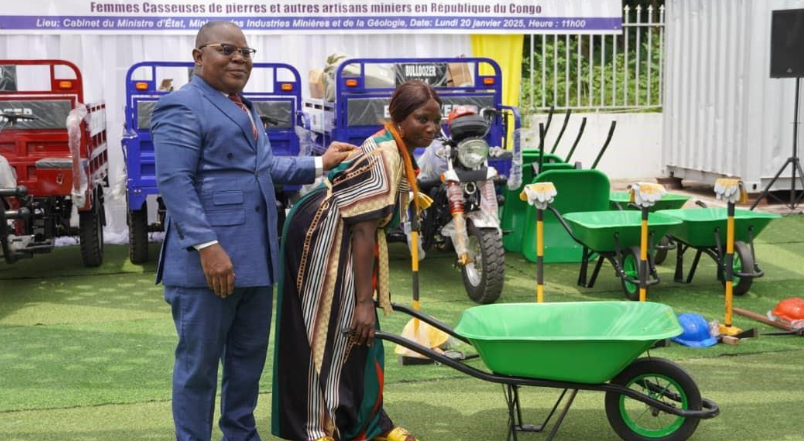
- Small grants provided to 437 artisanal and small-scale miners (49% women). These included the provision of more than 1,800 work tools and materials to strengthen the technical and operational capacities of 400 miners and support value addition and access to markets
- Strengthening the operational and technical skills of women stone crushers and artisanal miners in the Kombé quarries
- Helping artisanal miners run their activities as sustainable small businesses – more professionally and with better management – and contribute to the development of the value chains of Development Minerals.

Value Addition and Low-Carbon Materials
Skills and Value-addition to Development Minerals
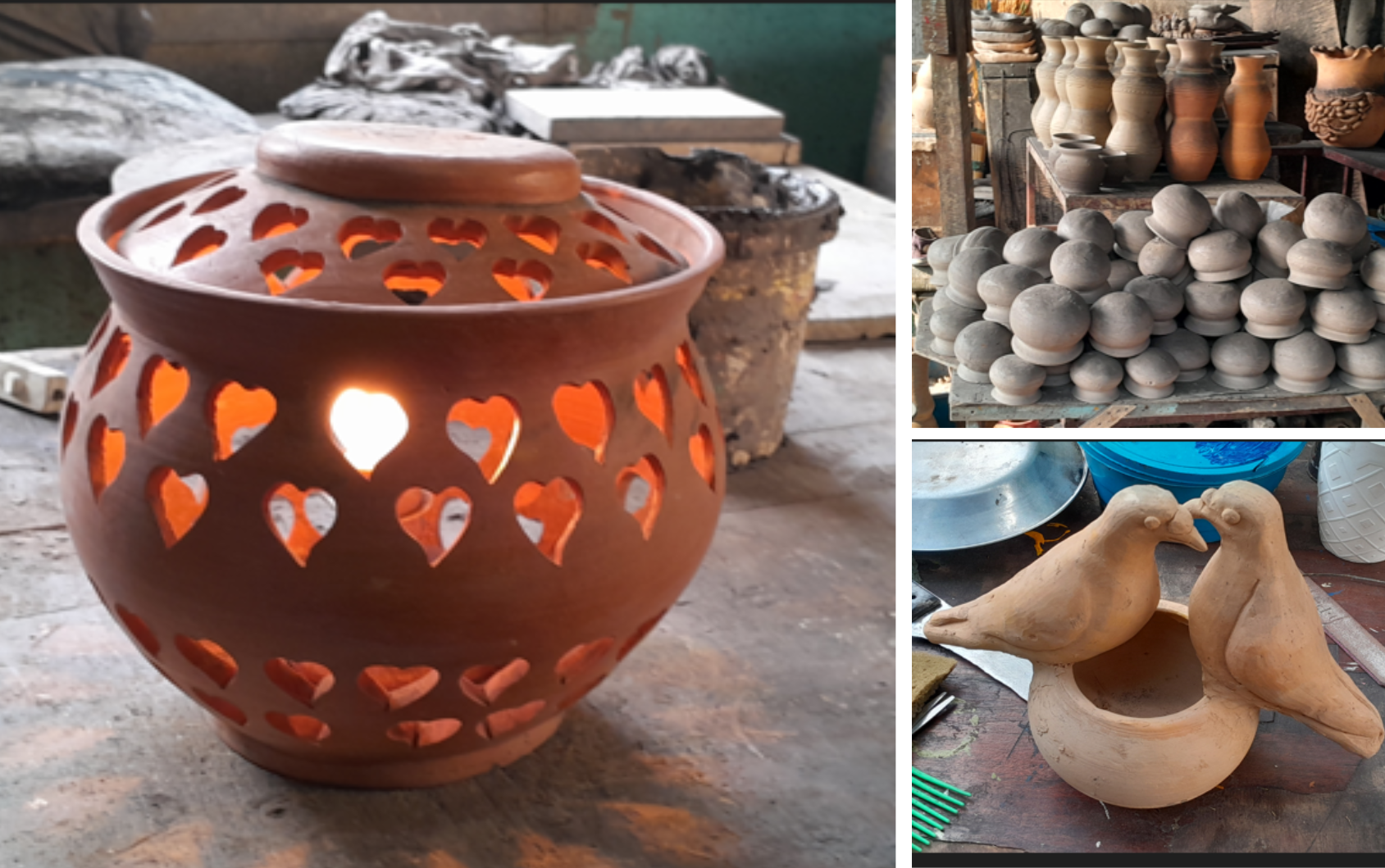
The Programme supports applied research, skills development, and better use of Development Minerals in the Republic of Congo. The aim is to strengthen local production of building materials and make them more accessible.
Working with the Geological and Mining Research Center (CRGM), the Programme carried out studies to better understand and identify local resources, especially clay, which is widely available in the country. These activities help artisans, small businesses, and local investors by giving them practical technical information to develop higher-value products.
Promoting local materials helps to:
- Lower the cost of construction materials
- Encourage local processing of raw materials
- Support small businesses and job creation
- Improve the technical skills of artisanal miners
These activities contribute to the promotion of environmentally friendly mining methods and construction materials to support the transition towards more sustainable building practices.
LOW-CARBON MATERIALS
The Programme promotes production of low-carbon building materials from minerals mined by ASMs by conducting training and knowledge exchange. This helps development of enterprises producing building materials that are more affordable, greener, and are better suited to local climate. It also contributes to the national goals for industrial development and sustainability.
The Programme has:
- Built skills of artisans, small businesses, and technical institutions – it trained 52 artisanal and small-scale miners in how to produce low-carbon building materials from Development Minerals such as laterite and clay soil.
- Supported research and knowledge-sharing by producing maps and conducting studies to help identify sources of such materials
MEDIA
Voices from the field
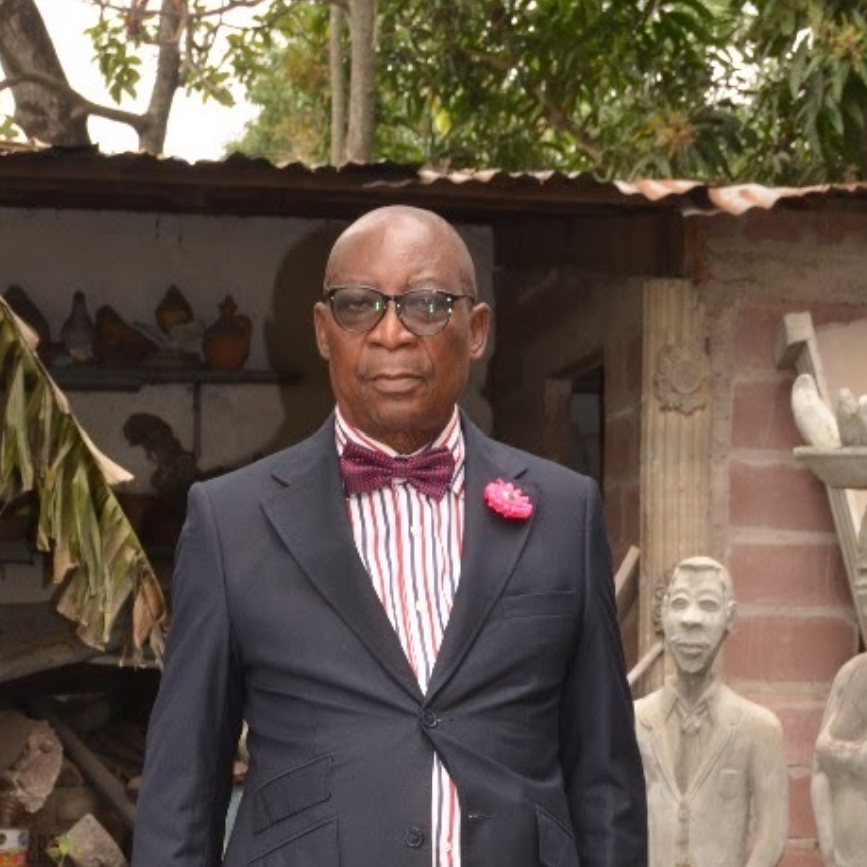
“On a personal level, I realized how important it is to formalize a business, understand how it is managed, and above all, recognize that proper training must come before any equipment or material support.
”
On a personal level, I realized how important it is to formalize a business, understand how it is managed, and above all, recognize that proper training must come before any equipment or material support.”
Miakakela Fulgence
Artisanal miner (quarry site leader)
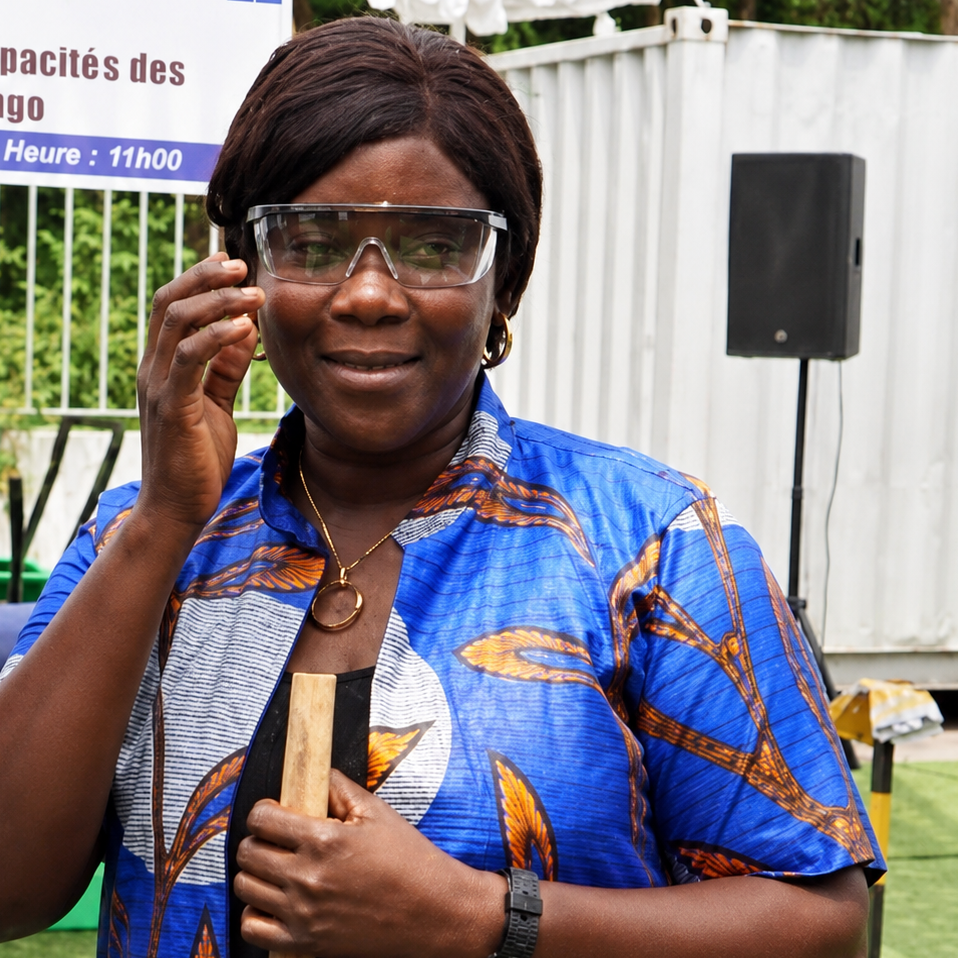
“The open dialogue with UNDP and the support we received - such as tricycles and work tools (rakes, wheelbarrows, pickaxes, sun umbrellas, and others) - has greatly improved our working conditions. This equipment has increased our safety and productivity and reduced the physical strain of our work.
”
The open dialogue with UNDP and the support we received - such as tricycles and work tools (rakes, wheelbarrows, pickaxes, sun umbrellas, and others) - has greatly improved our working conditions. This equipment has increased our safety and productivity and reduced the physical strain of our work.”
Malonga Neslie
Secretary General of the Association of Women Stone crushers of Kombé, Brazzaville
Photos
IN THE NEWS
- Artisanat minier: des femmes “casseuses de pierres” reçoivent des équipements modernesRepublic of Congo
21 January 2025
Agence d'Information d'Afrique Centrale - Les casseuses de pierres et autres artisans miniers reçoivent un don de matériels et équipementsRepublic of Congo
20 January 2025
La Breve Online - Minéraux de développement : le sable et les moellons, deux niches pour contribuer au PIBRepublic of Congo
15 November 2024
Agence d'Information d'Afrique Centrale
Our Partners in Congo