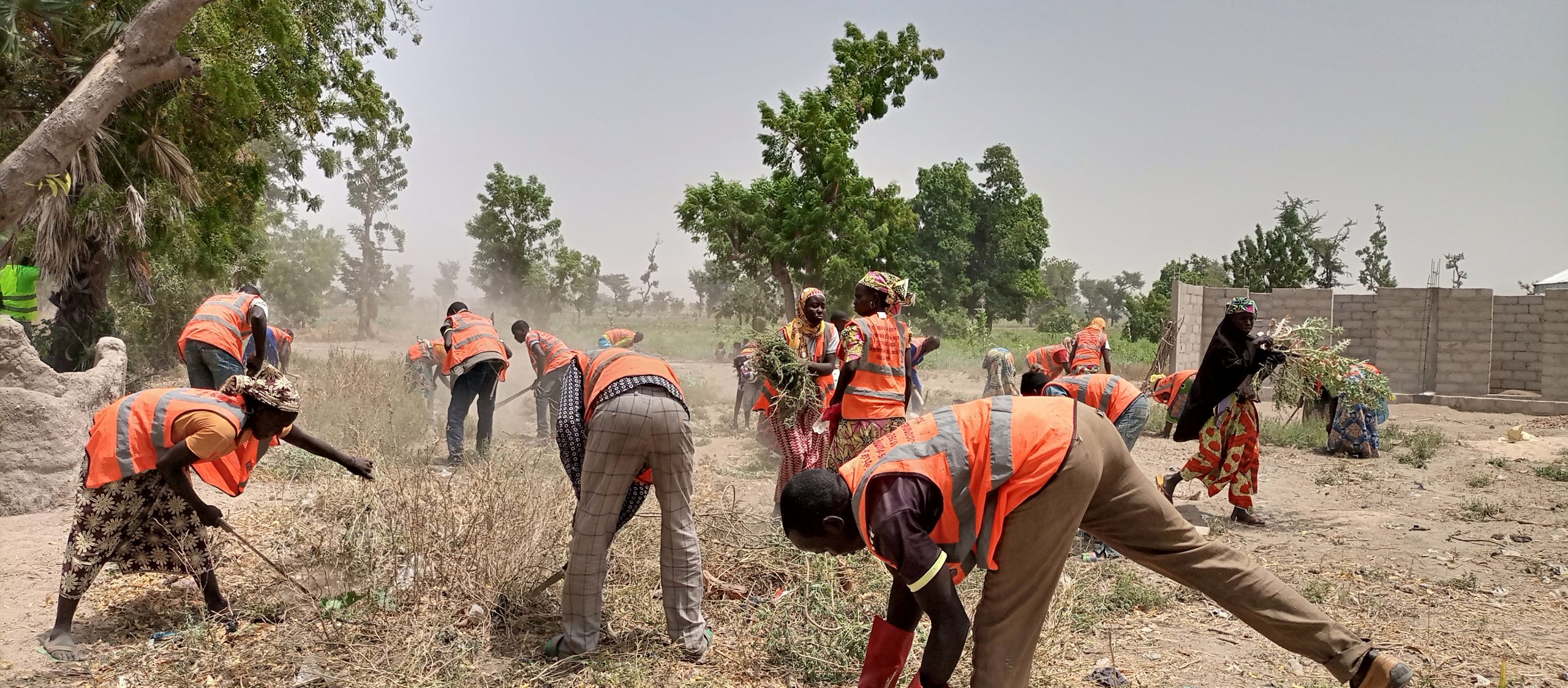
In the sun-baked plains of Cameroon’s Far North, the echoes of armed groups’ violence that started over a decade ago in neighbouring Nigeria still linger. The violence has left a trail of destruction that has displaced communities, razed homes, and left people stripped of opportunity and purpose.
Thousands of people lost homes and livelihoods; schools and hospitals were destroyed, with communities having no access to basic facilities and health care. The crisis is compounded by the influx of hundreds of thousands of refugees from the neighbouring Lake Chad basin countries (Nigeria, Chad and Niger) exacerbating high rates of unemployment and food insecurity. Armed groups’ attacks continue to disrupt peace and stability in North Cameroon, with hundreds of thousands of people urgently in need of housing and infrastructure like schools and hospitals. Livelihoods and security are further threatened as climate change intensifies these challenges with erratic rainfall and frequent droughts and flooding, destroying crops and homes. The community of Mora in North Cameroon, located near the border with Nigeria, has been deeply impacted due to the destruction from the attacks, inflow of refugees, and growing unemployment among youth.
A Young Man with a Vision for Peace
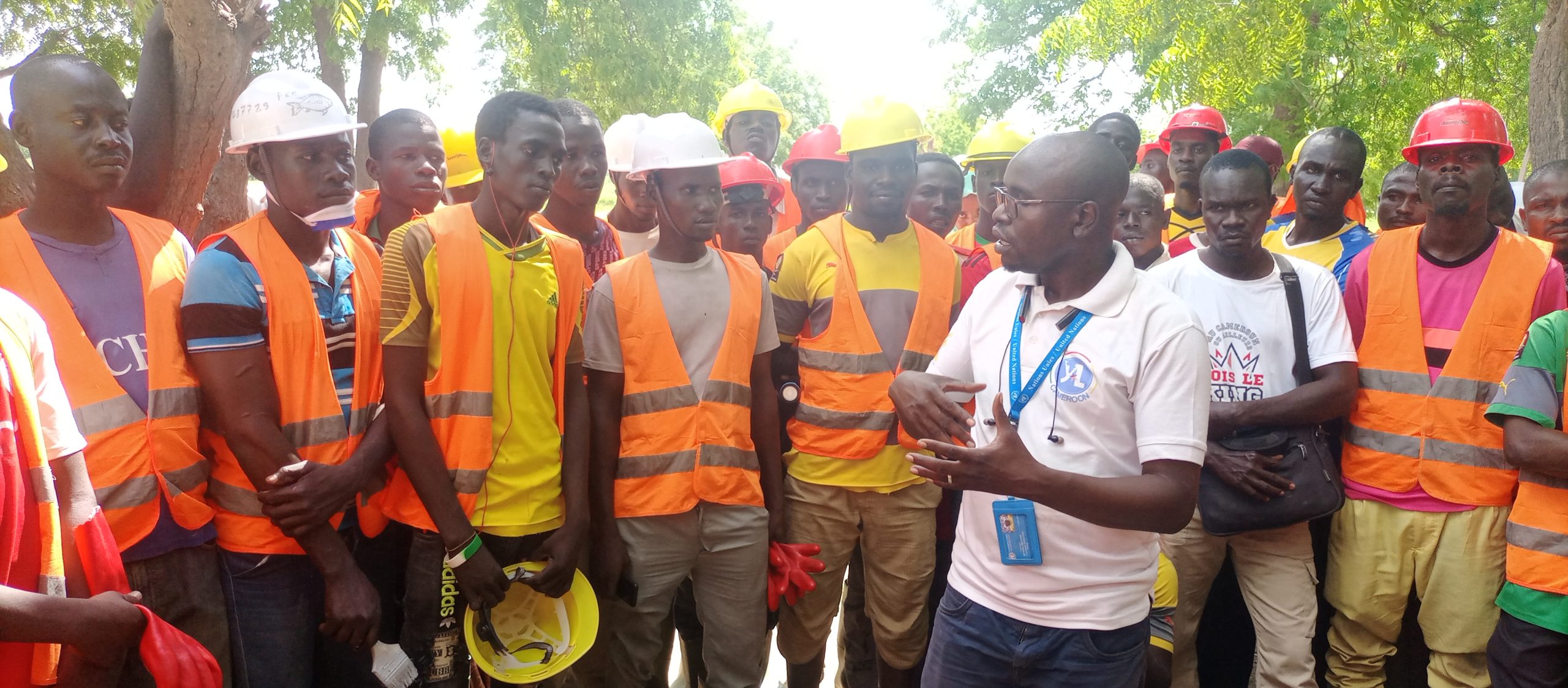
In 2016, Ibrahim Djagra, a young community volunteer from Mora, was organizing awareness campaigns against violence and extremism – aimed at stopping youth from joining the non-state armed groups , when one day he witnessed an attack by armed groups on a village close to the Nigerian border, not far from Mora. Ibrahim realized that raising awareness alone could not be a solution. It was important to address the root of the problem – high unemployment and poverty made young people easy targets for recruitment by non-state armed groups. That is what spurred Ibrahim to form l’Association des Jeunes Dynamiques pour l’Émergence du Cameroun or AJDEC (Youth Centre for Lasting Peace and Development), an organization to support and empower local youth.
Established In 2017, AJDEC’s primary goal is to promote peace not only through awareness campaigns, but also through employment. Ibrahim identified practical economic initiatives, including agriculture and brick-making for local youth, internally displaced persons and refugees.
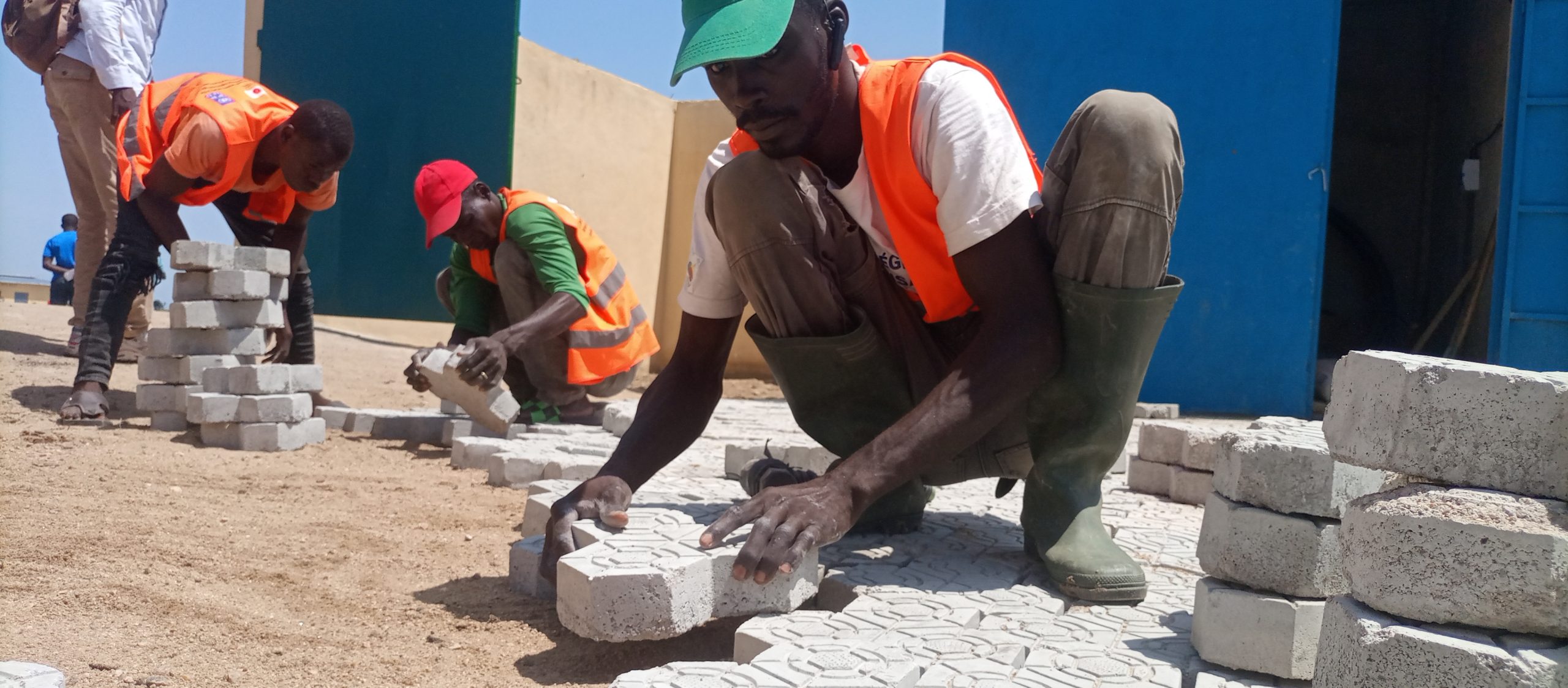
AJDEC engages youth in rebuilding destroyed homes and infrastructure, providing them with a purpose and skills to engage them, and helping them earn livelihoods to prevent them from getting drawn to violence.
The initiative started by making traditional fired clay bricks for constructing homes. However, Ibrahim realized that these traditional bricks, produced in numerous kilns across Lake Chad region, contribute significantly to deforestation, as trees are felled for firewood and cause air pollution. A staggering nine tonnes of trees and shrubs are used as firewood for kilns to make traditional fired bricks required to build a single modest size house, according to one of the latest studies on greening construction by ACP-EU Development Minerals Programme. At the same time, meeting the huge demand for housing and infrastructure with expensive materials like cement and concrete was not feasible, as the local population cannot afford them.
A Turning Point: Stabilized Earth Bricks
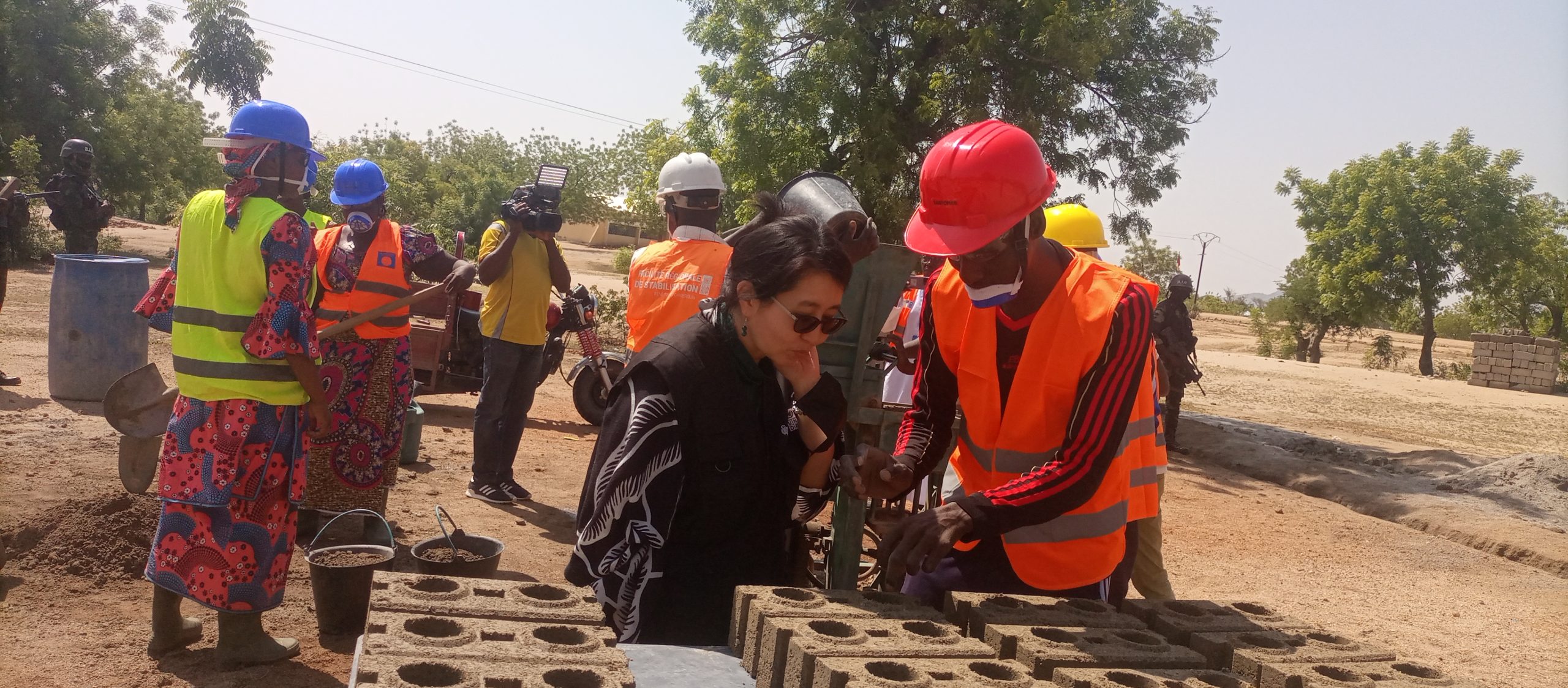
A training workshop in making stabilized earth bricks proved to be a turning point for Ibrahim. Organized by the ACP-EU Development Minerals Programme and implemented by UNDP in partnership with the University of Dschang in 2019, this training offered a sustainable solution in the form of stabilized earth bricks which eliminate the need to burn firewood and cutting of trees.
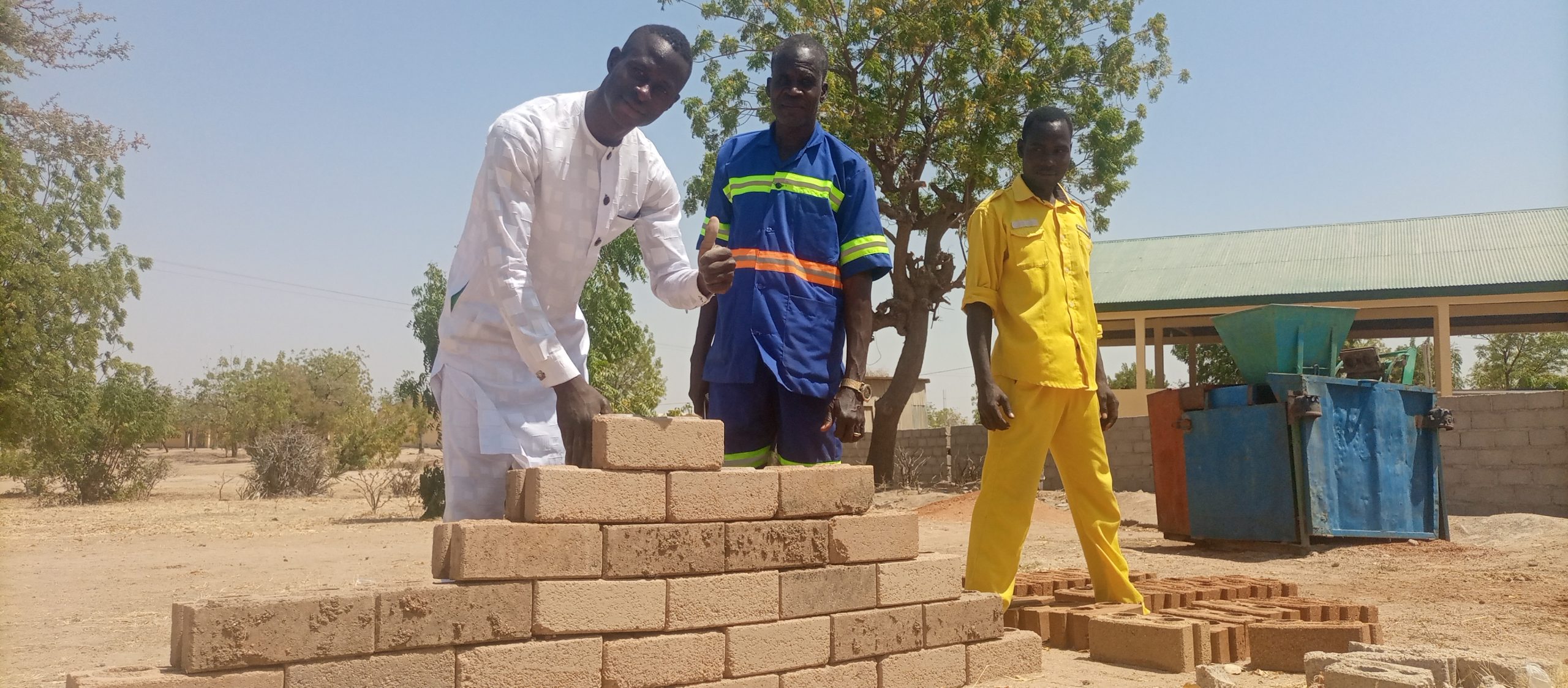
Stabilized earth bricks, made from local and abundantly available materials like clay and laterite, mixed with a small amount of stabilizer (usually cement), were a cost-effective, eco-friendly alternative for construction. Their production is not energy-intensive, produces less carbon emissions, and prevents deforestation.
Replacing fired bricks with stabilized earth bricks reduces carbon emissions by 2.7 times due to reduced deforestation, as shown by a study done by the ACP-EU Development Minerals Programme.
It is also about better suited materials for local production of bricks compared with cement and concrete blocks. These bricks are a cheaper and more environmentally-friendly alternative to both cement blocks and fired bricks. They can be produced using minimal and simple technology with locally available materials. Moreover, stabilized earth bricks are eco-friendly, as the process of manufacturing them involves lower carbon emissions. They provide excellent acoustic insulation, and their thermal regulation property is useful in both cold and hot weather.
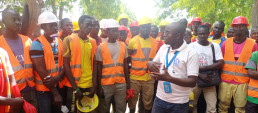
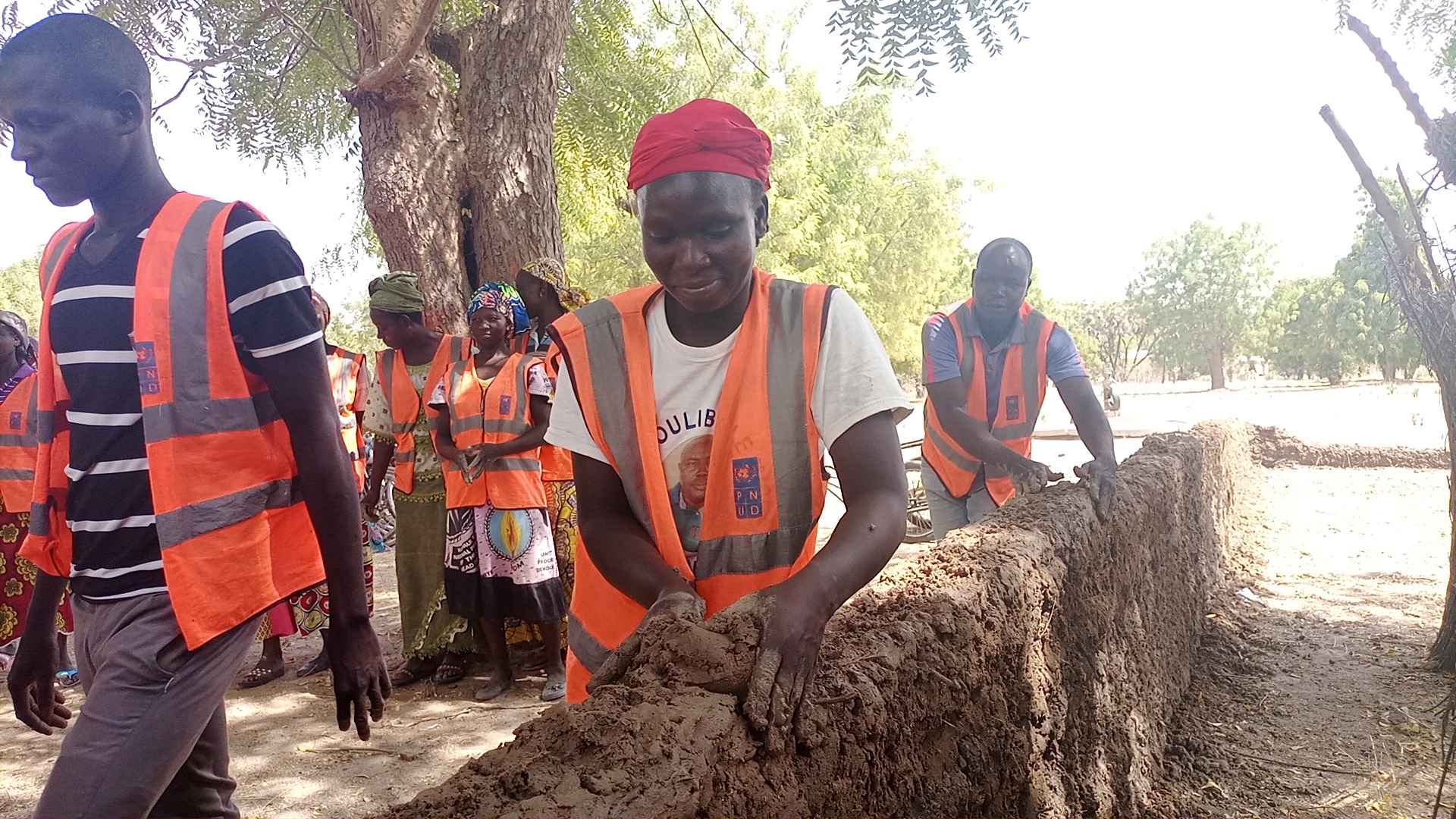
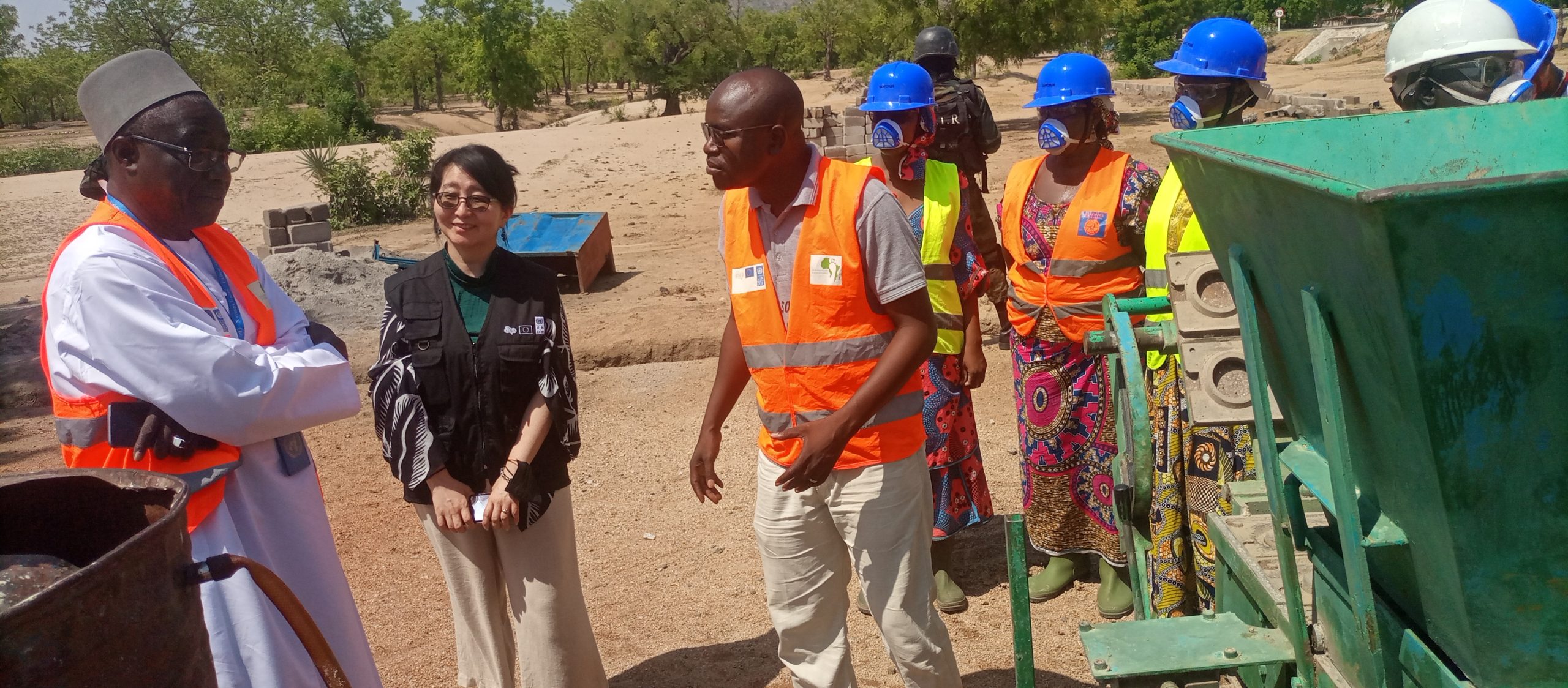
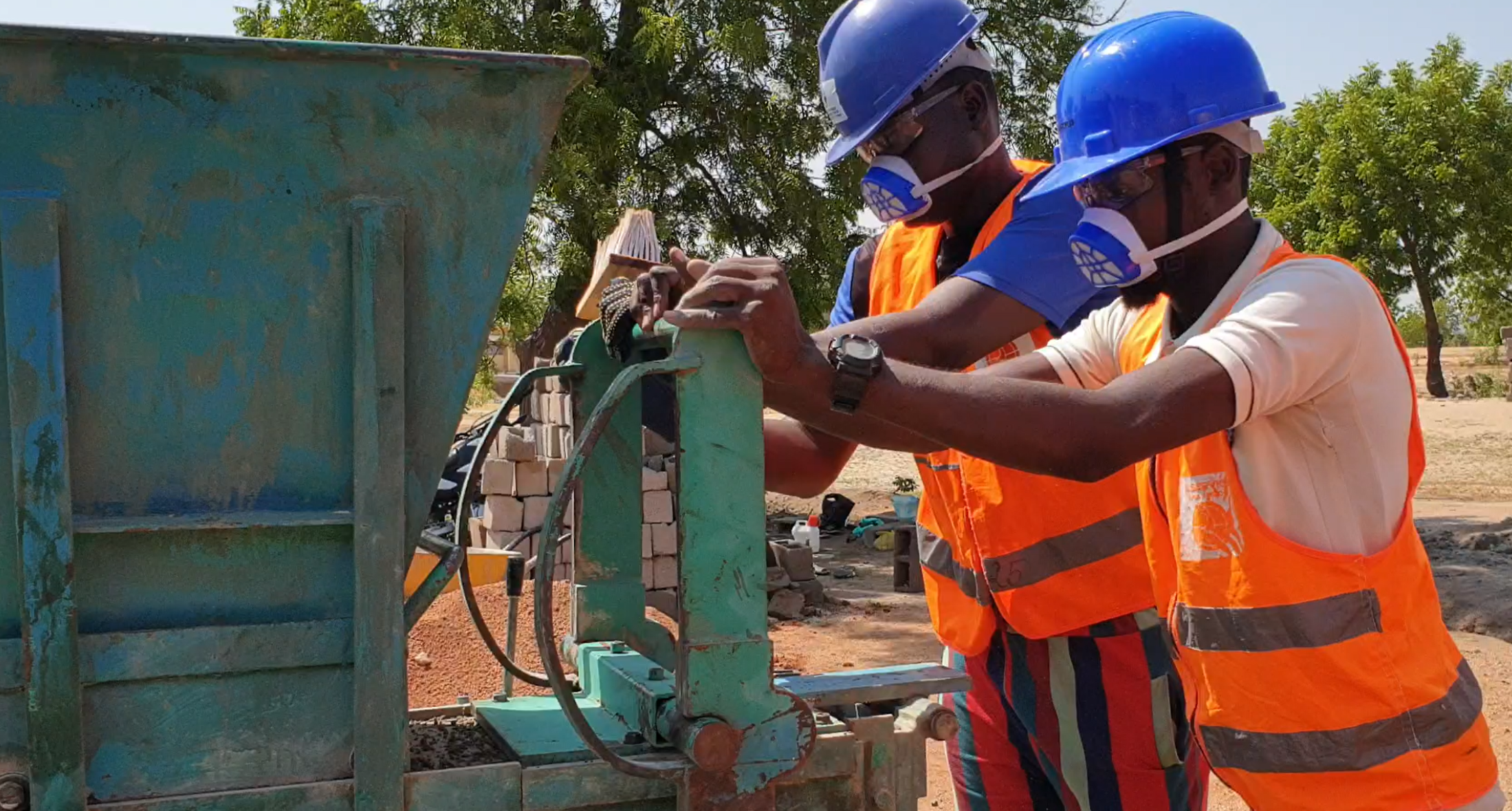
Ibrahim saw an opportunity in stabilized earth bricks. AJDEC started training locals including youth and women in producing stabilized earth bricks and began rebuilding homes and community facilities like schools and health centers destroyed due to the conflict-related violence. Recognizing AJDEC’s potential, the ACP-EU Development Minerals Programme further supported the youth association, providing small grants which helped them acquire a semi-mechanized brick press, increasing daily production by nearly four times from 400 to 1,500 bricks per production site
Growth and Impact: Bricks of Hope
Since its inception, AJDEC has grown into a large network of skilled youth, establishing the Bricks of Hope initiative that is advancing sustainable mining and construction with stabilized earth bricks.
Ibrahim says, “We call it the “Bricks of Hope”, not just for our business, but also to give hope for rebuilding the lives and communities destroyed by the conflict, crisis and climate change.”
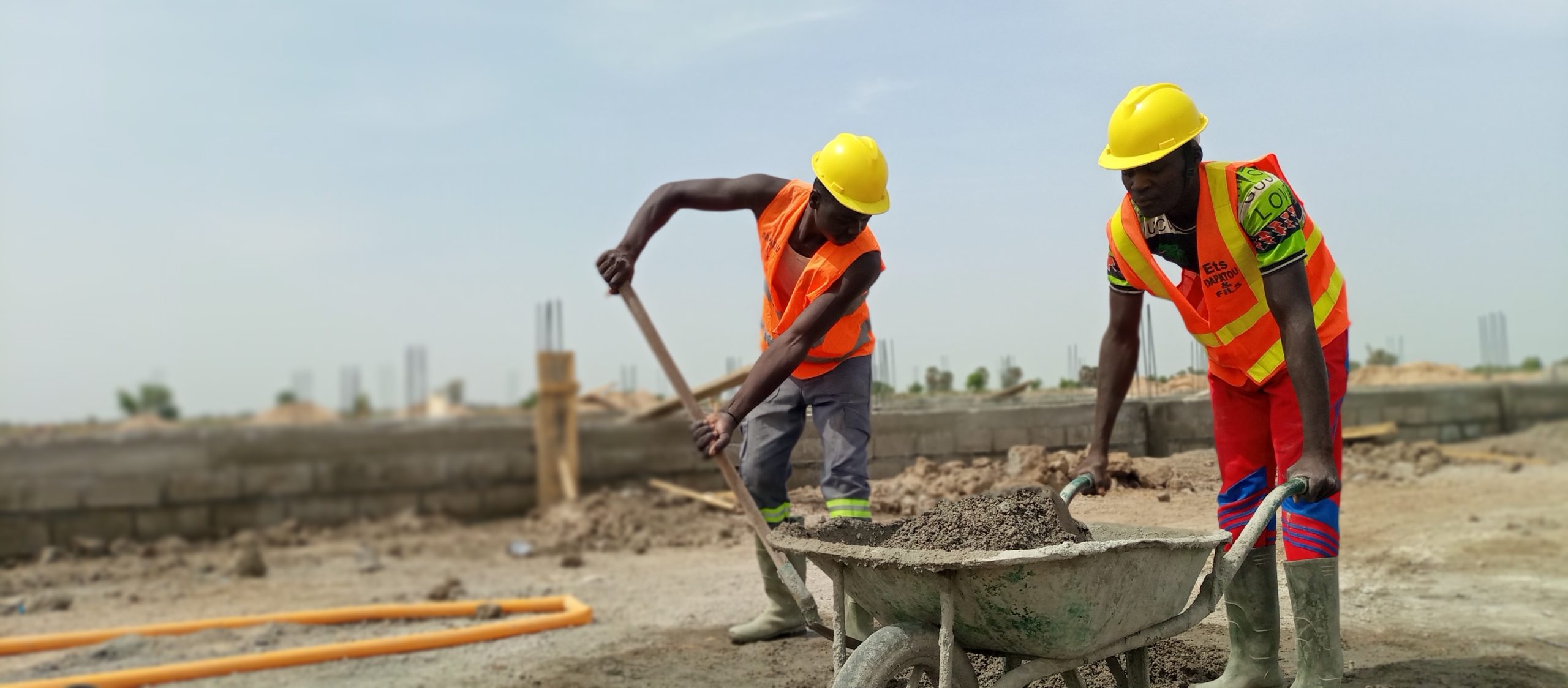
The “Bricks of Hope” initiative has become a symbol of resilience and recovery. It is supporting the local economy by providing employment and reducing building costs while promoting eco-friendly construction. Communities are playing a key role in reconstructing destroyed houses, schools, and health centers, giving youth, including young women, a purpose and livelihoods. In addition, the youth association with the support of the Programme set up and nurtured a social enterprise, ETS Risku, growing it into a formal, medium-sized business.
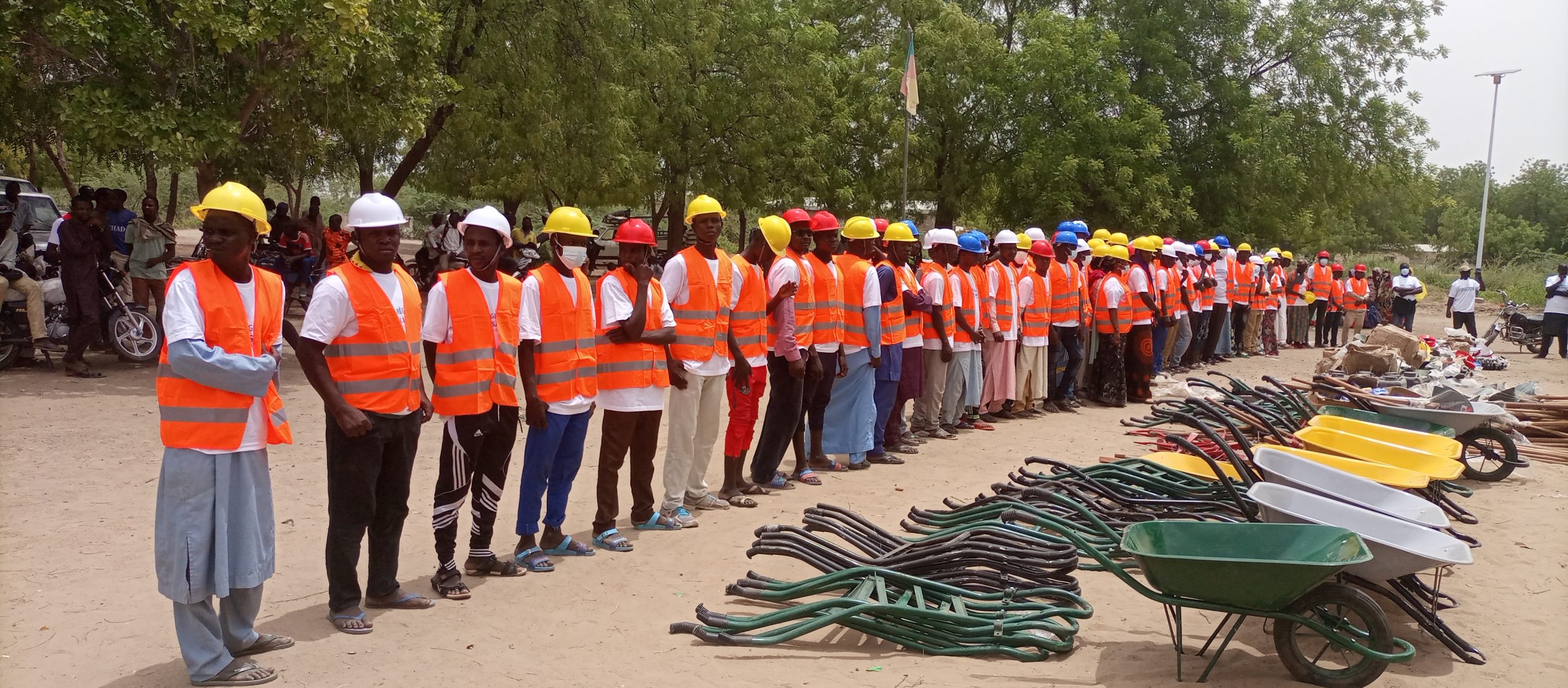
ETS Risku currently produces more than 10,000 bricks daily at five sites. It has successfully secured and completed orders from both private sector and development organizations, constructing over 90 buildings, including schools, hospitals, agricultural warehouses, and houses. Together, AJDEC and ETS Risku prioritize youth training, women’s inclusion, and environmental sustainability.
Innovation for the Future
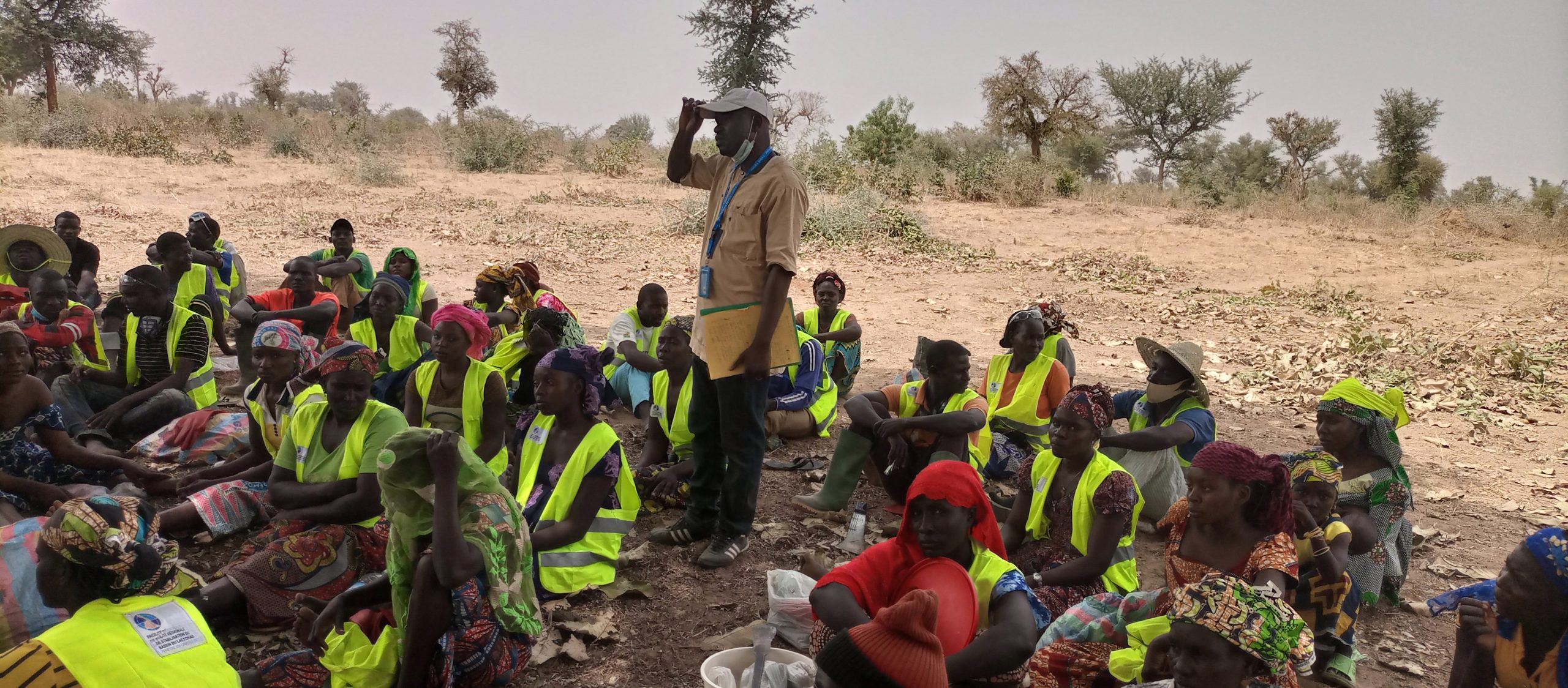
Ibrahim is also experimenting with producing building materials using local agricultural waste like rice husks, that in turn would support local farmers. The Programme continues to support AJDEC’s expansion, which has now trained over 6,000 youth from the Far North. 40% of trainees are women, who are now skilled in construction and are actively rebuilding their communities. With support from the Programme, AJDEC is sharing its knowledge with other countries. AJDEC has been a principal trainer in practical training and construction of demonstration buildings in in Guinea and Burkina Faso. This initiative has also inspired an institutionalized training program at the University of Fine Arts of Foumban in Cameroon.
Ibrahim hopes that skills and employment will prevent youth from being drawn to violence and help promote peace and stability. By empowering youth, promoting sustainable practices, and rebuilding communities, AJDEC is transforming construction and is creating jobs for youth in Northern Cameroon.
AJDEC’s work demonstrates the transformative power of sustainable development in post-conflict areas.
The association is now exploring partnerships with local governments to scale up construction of schools, clinics, and homes using low-carbon materials. Their work is not only rebuilding what was lost – it’s creating a new future, one where peace, sustainability, and opportunity go hand in hand.
By empowering youth, promoting local resources, and pioneering sustainable construction, AJDEC and ETS Risku are building more than bricks.
They are setting the groundwork for a more resilient, inclusive, and peaceful Northern Cameroon – one brick of hope at a time.