ARTISANAL AND SMALL-SCALE MINING
What is artisanal and small-scale mining (ASM)?
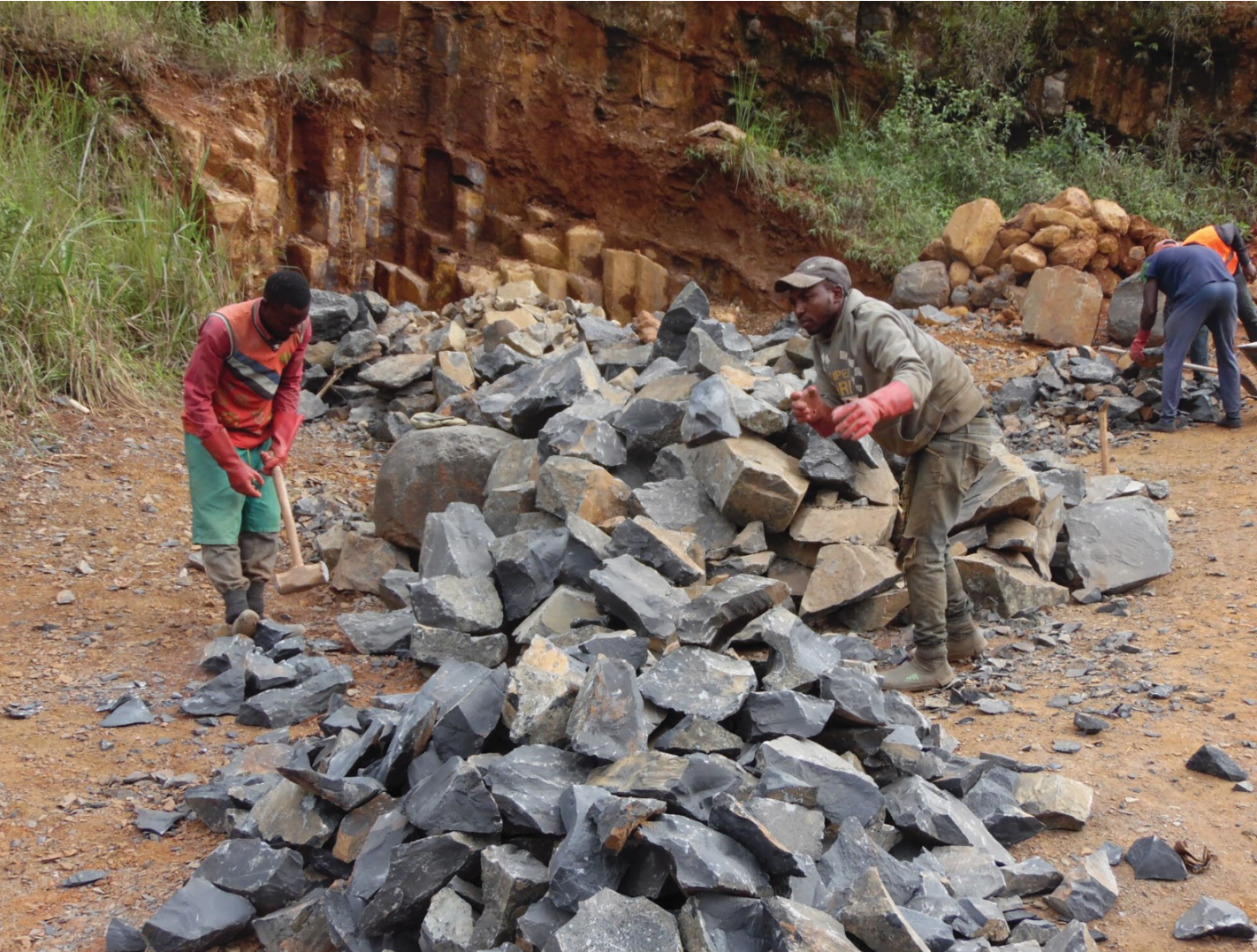
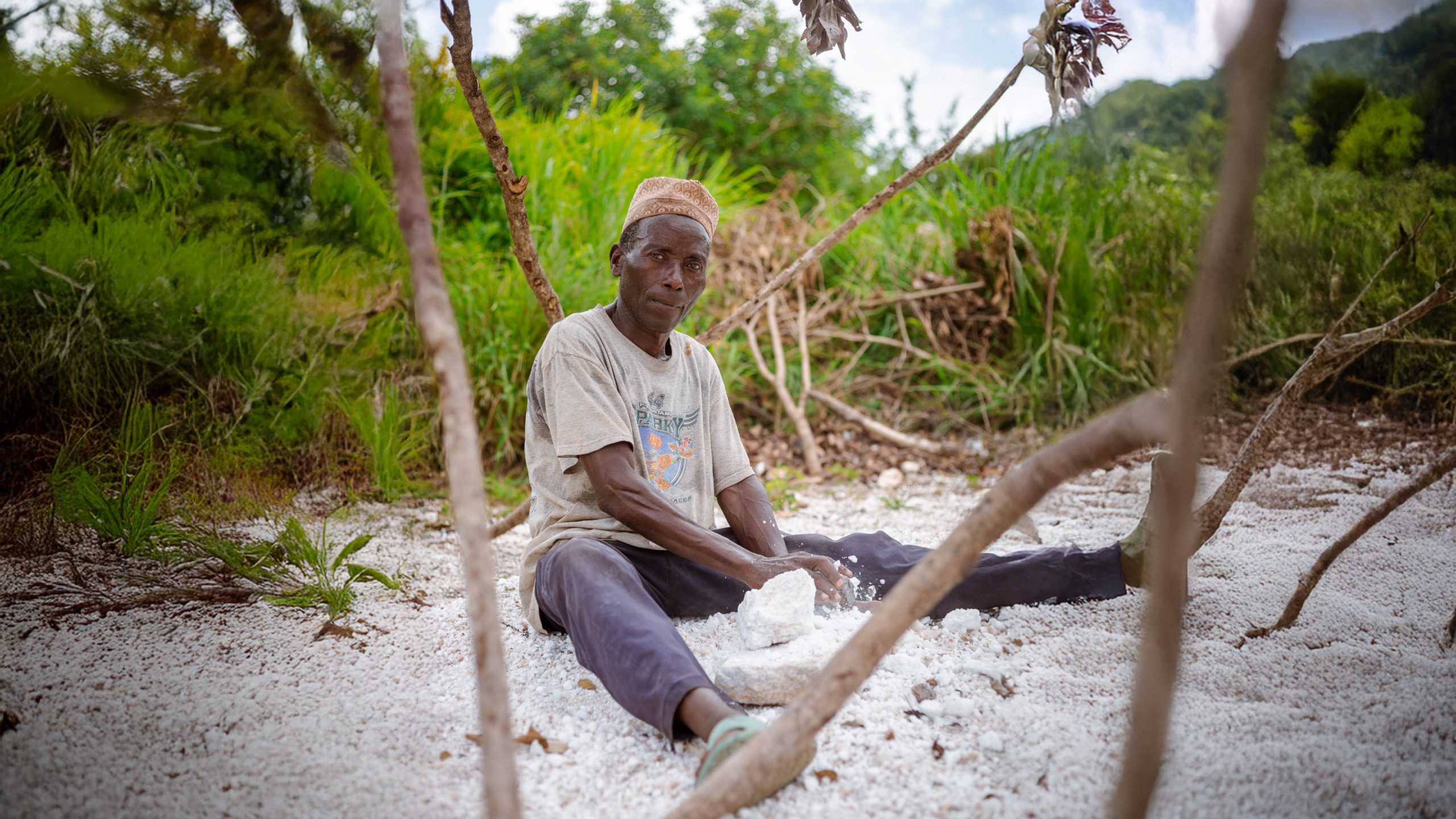
Artisanal and small-scale mining (ASM) is the extraction and processing of minerals by individuals, groups, or small enterprises, often using limited technology and capital.
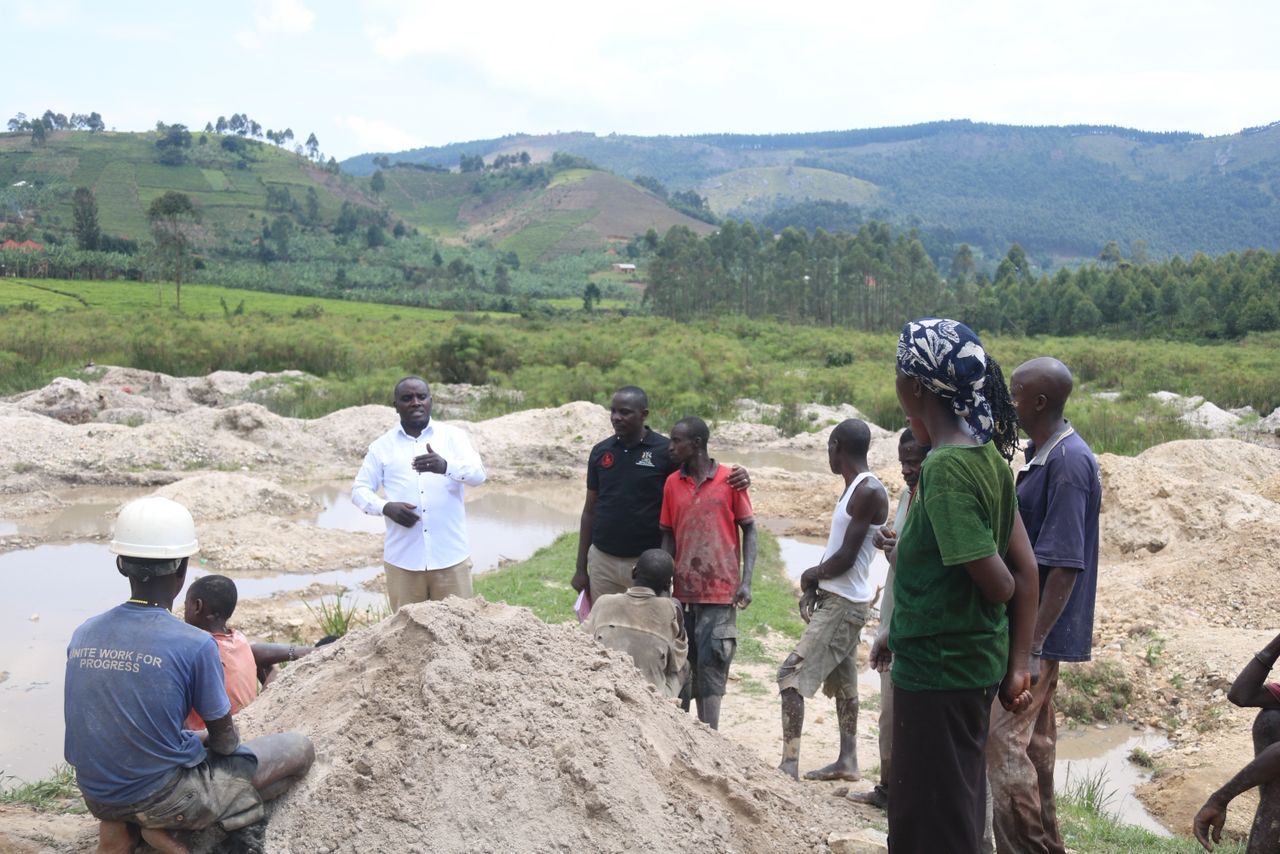
Development Minerals are largely mined by artisanal and small-scale mining enterprises (ASMEs) and cooperatives across African countries, and by small- and medium-scale quarries in the Caribbean and the Pacific. They generate important local economic activity and have a strong impact on local development, poverty reduction and the basis for infrastructure, housing, industry and agriculture. Artisanal and small-scale miners also mine and supply sizeable quantities of gold, gemstones and a range of minerals critical for powering energy transition and digital economies.
Globally, more than 40 million people work in artisanal and small-scale mining, supporting local economies and meeting growing demand for materials used in everything from roads and buildings to solar panels.
Why ASM matters?
Artisanal and small-scale mining plays a critical role in sustainable development:
Jobs and livelihoods
It provides incomes and jobs for millions of people, especially in rural areas.
Inclusive opportunities
ASM sector creates job and income opportunities for women, youth, and small businesses. Development Minerals mined by ASM are the basis for economic growth and face growing demand.
Local economic growth
Development Minerals are used as inputs for construction, infrastructure, agriculture and industry, creating strong local value chains.

Growing demand
Demand for Development Minerals is increasing due to urbanization, population growth, and the growth of infrastructure. Because of this, ASM is not just a mining activity - it is a key part of local economies and community resilience.
CHALLENGES IN THE ASM SECTOR
Despite its importance, ASM faces significant challenges:
High levels of informality
Many artisanal and small-scale miners operate outside formal systems, with limited access to finance, markets, and government support.
Environmental and safety risks
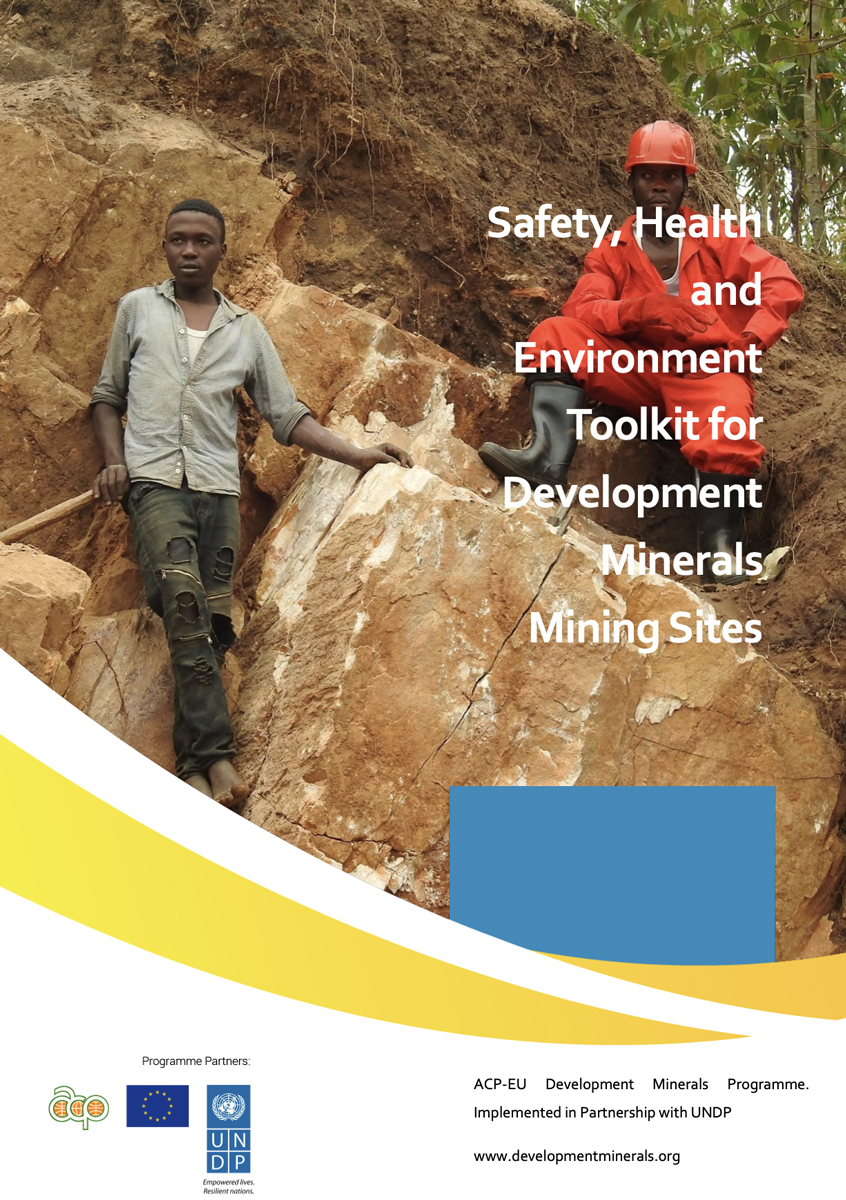
Poor practices lead to prevalence of unsafe working conditions, health and injury risks, and fast environmental degradation.
Limited productivity
Artisanal and small-scale miners lack tools, equipment and capital needed to improve productivity and value addition.
Gender barriers
While women play an active role in ASM, they face barriers in access to resources, training, and leadership opportunities – and by and large, their incomes in ASM are low.
Low income and risk of exploitation
Many artisanal and small-scale miners earn low incomes and are exploited or exposed to risks to be inadvertent participants in mineral smuggling.
Addressing these challenges is essential to unlock the full potential of the sector.

OUR WORK
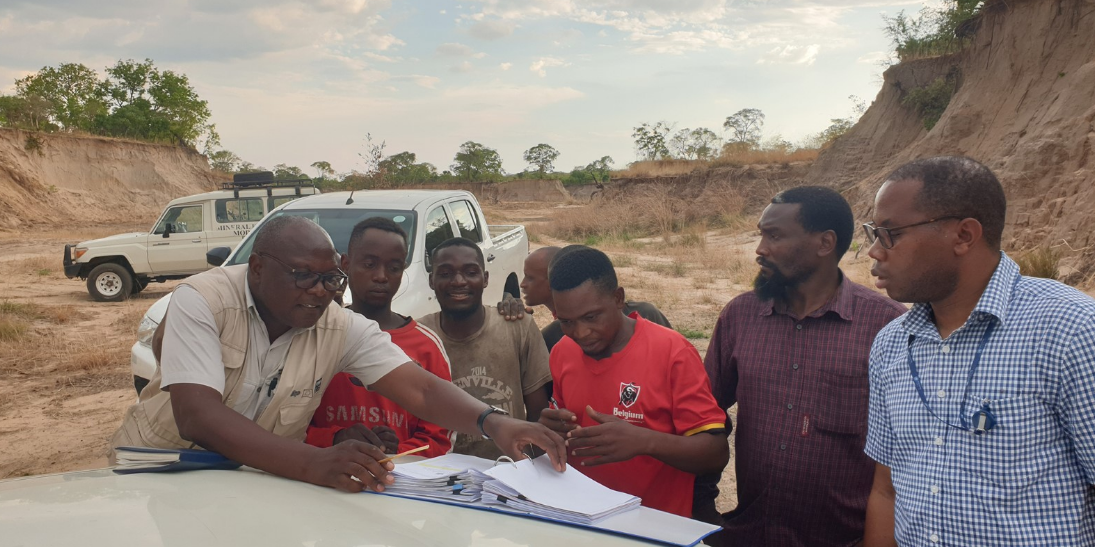

Working towards a sustainable sector
OUR GOALS
The Programme works to transform artisanal and small-scale mining (ASM) into a sector that is formalized and better regulated, environmentally responsible and socially inclusive with stronger participation of women and communities. We work to empower artisanal and small-scale miners to raise their productivity and better connect to formal sector markets. By strengthening both institutions and small mining businesses, ASM can evolve from a basic livelihood activity into a more stable and productive sector that supports jobs and development, while supplying the minerals needed to drive economic transformation.
OUR ACHIEVEMENTS
Since 2015, the Programme has supported countries to strengthen the ASM sector by building capacities, improving policies, and supporting formalization.
- Over 400 artisanal and small-scale mining cooperatives formalized, representing more than 21,000 miners
- Over 17,000 artisanal miners received some form of legal registration
- Business development support and small grants benefiting over 20,000 people
- Women represent around 40% of Programme beneficiaries
These efforts are helping countries to transform their artisanal mining from informal, subsistence activity to operate within laws and regulations, be more organized, and undertake their business more sustainably and responsibly.
OUR APPROACH
The ACP-EU Development Minerals Programme works to strengthen and make ASM more sustainable by working with both public institutions and enterprises. See the highlights of our activities:
Strengthening the enabling environment
We support governments to improve policies, legal frameworks, and geological data systems. This helps create a more supportive and structured environment for ASM and its integration into the formal economy.
Formalization of ASMs
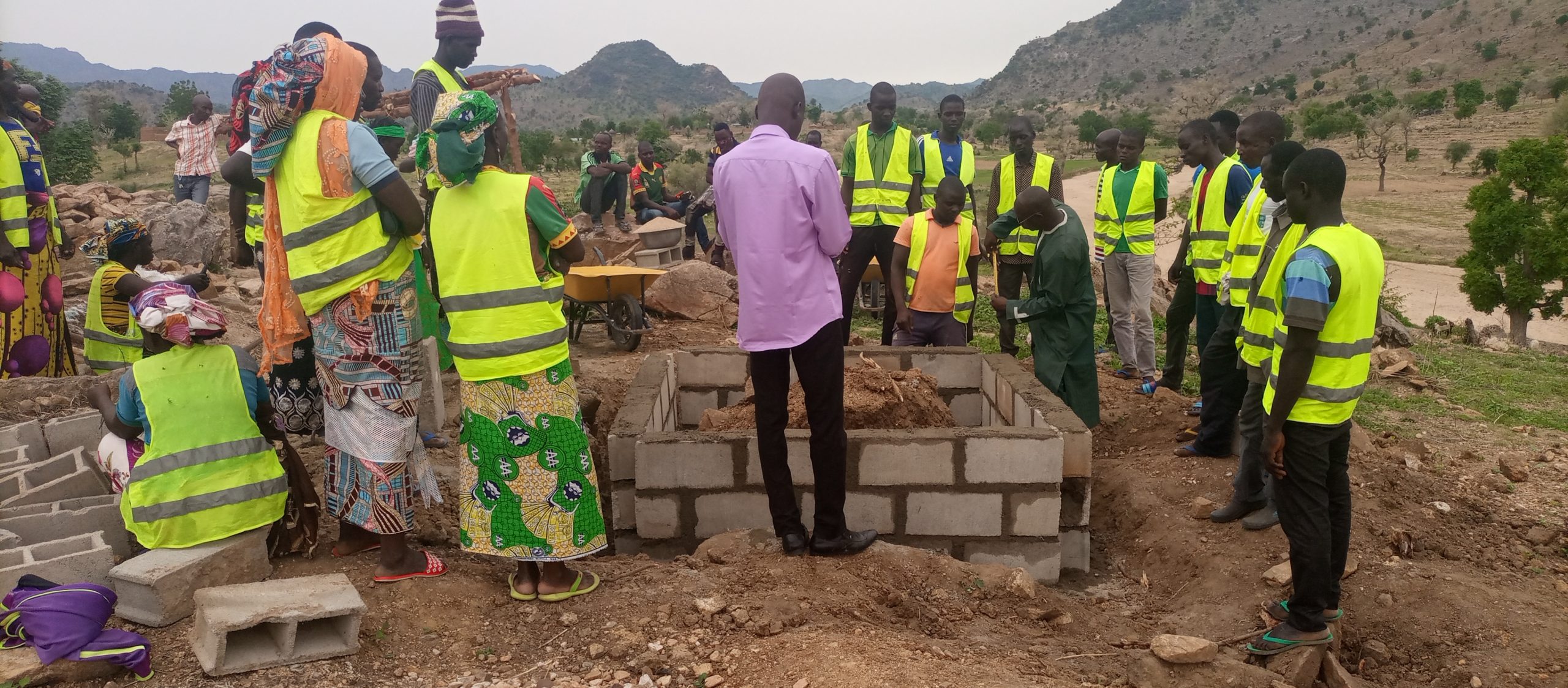
The Programme promotes formalization by supporting miners to organize into cooperatives and register their activities, and working with mining authorities to formalize artisanal and small-scale mining.
Digital tools for governance of mining
The Programme supports countries to develop and adopt digital tools for mining governance. These include tools help collect data, track mining activities, and support better decision-making, including in countries with more established or medium-sized mining sectors, such as Fiji and Jamaica.
The Programme is working to develop a digital mineral market to improve trading and traceability in Uganda and ASM administration system for improved mining governance in Zambia.
Building technical and business management skills
We strengthen the capacities of artisanal and small-scale miners to manage and grow their businesses better:
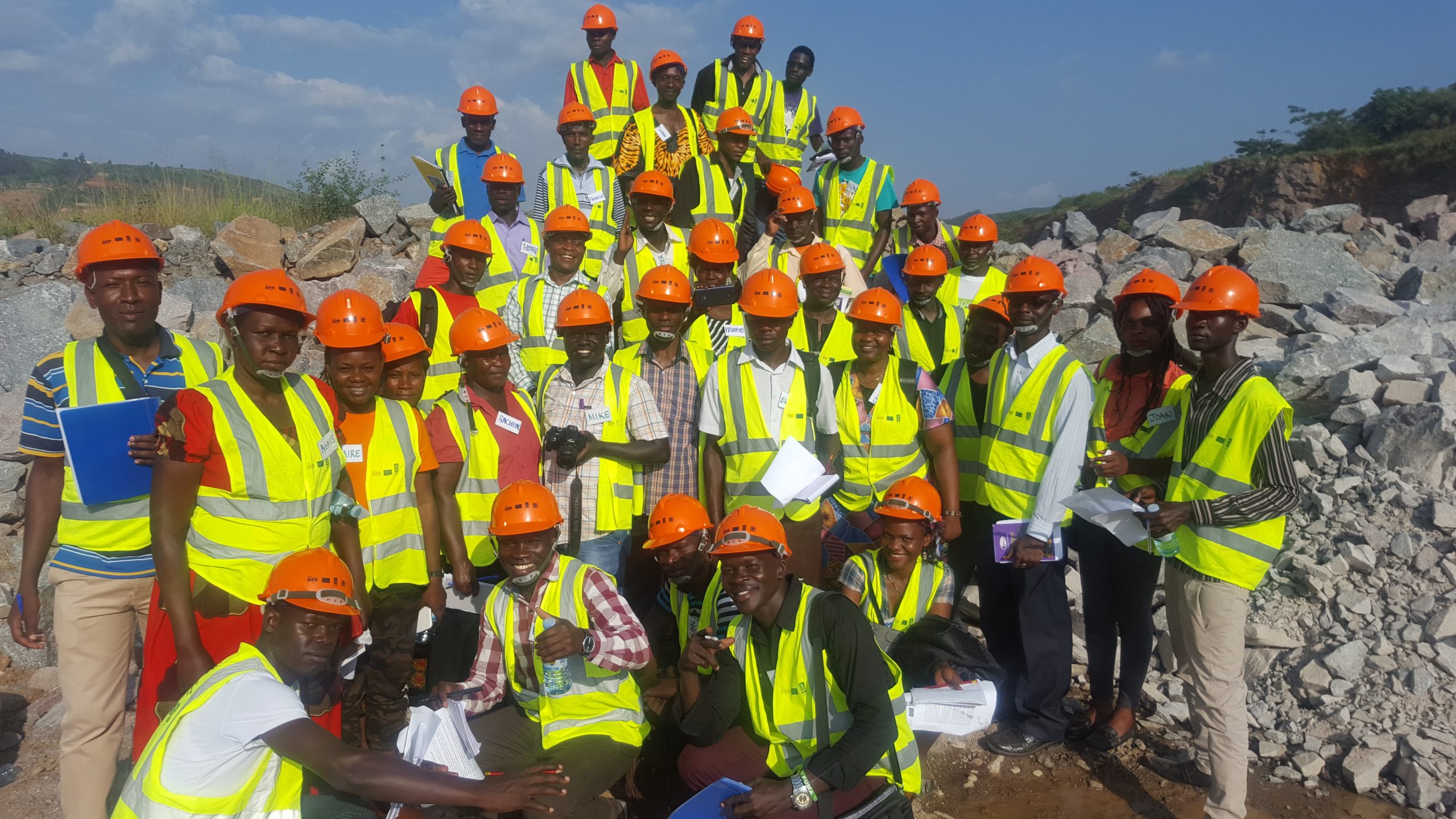
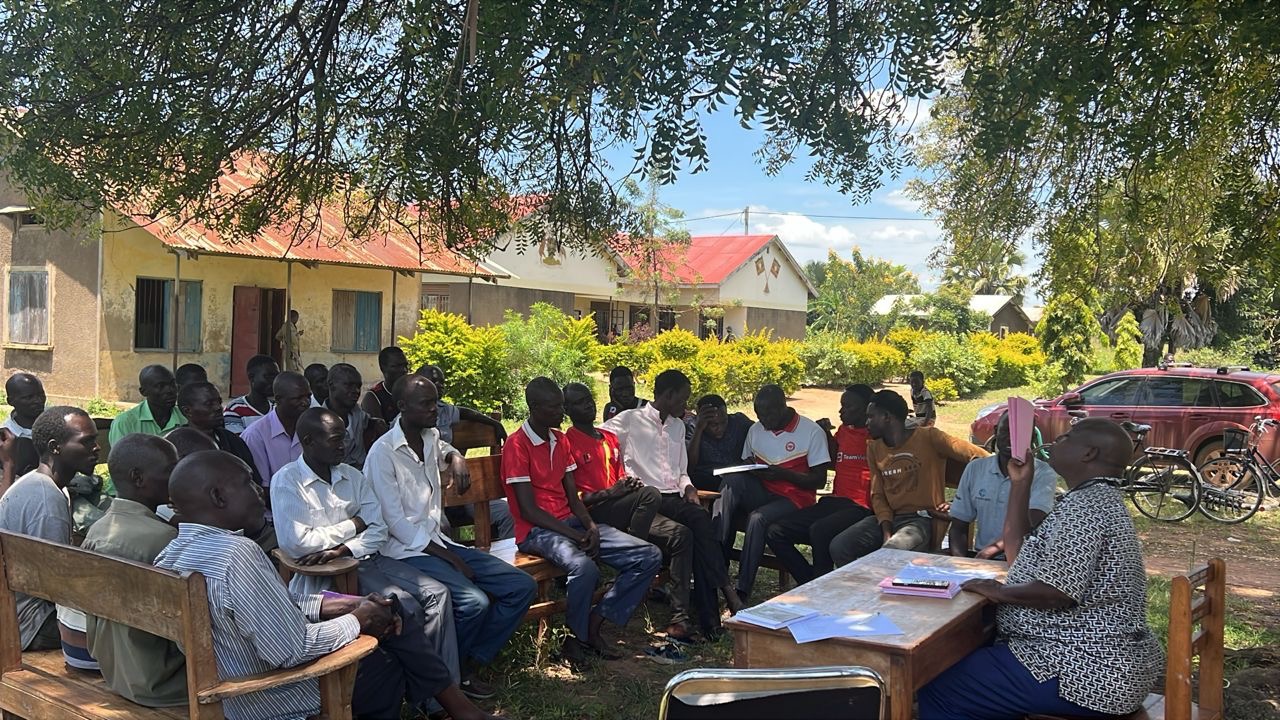
– Nearly 3,000 ASM workers were trained in financial literacy, marketing, and business management
– Small grants supported ASM groups, benefiting over 20,000 people
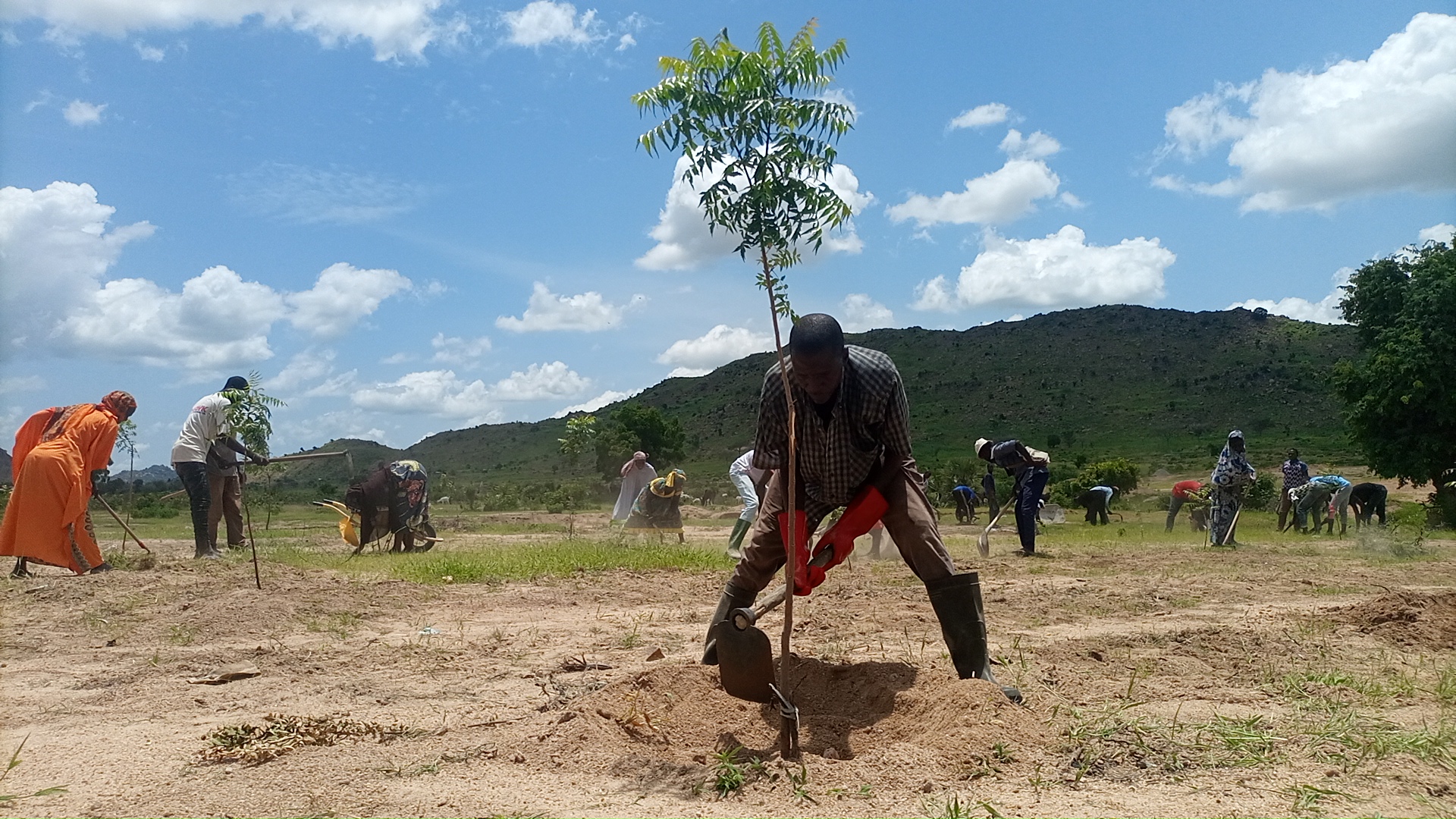
Improving environmental and social practices
The Programme promotes safer and more responsible mining practices:
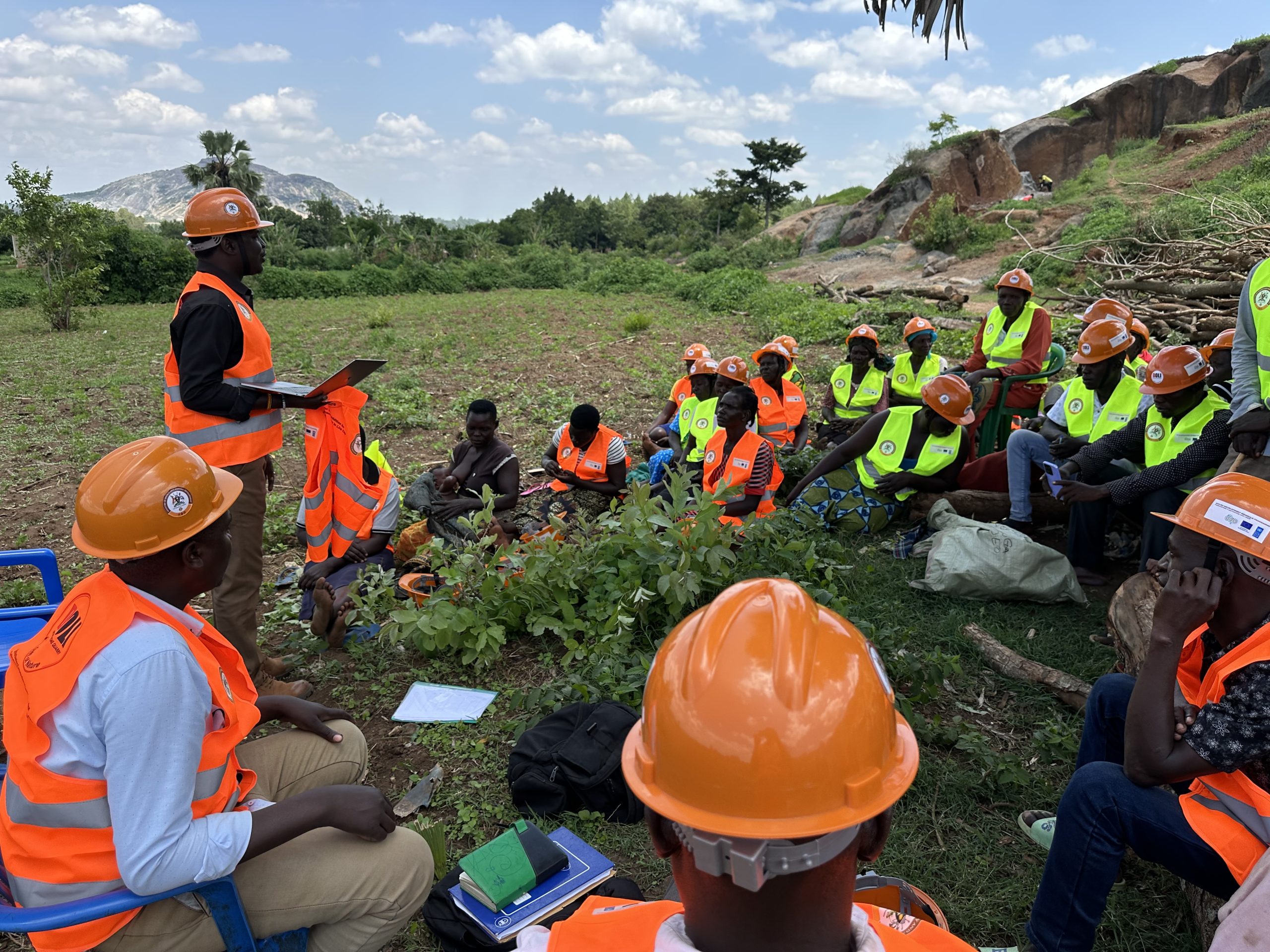
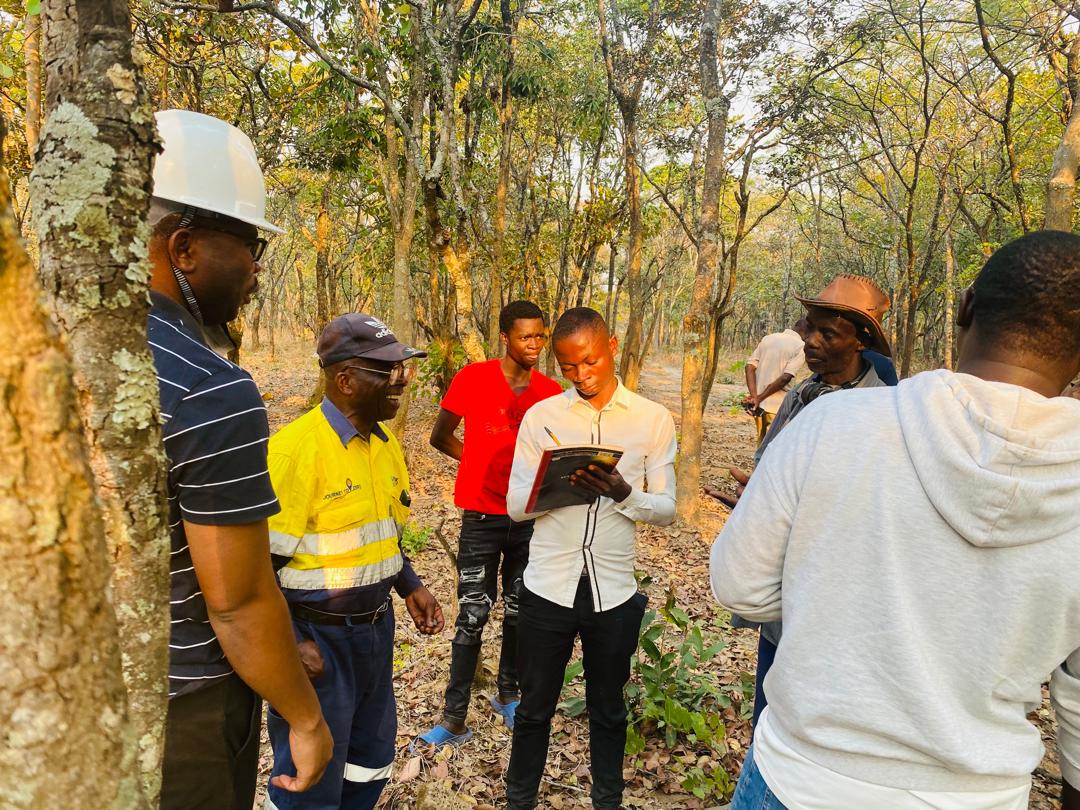
– More than 5,000 ASM workers were trained on health, safety, and environmental management
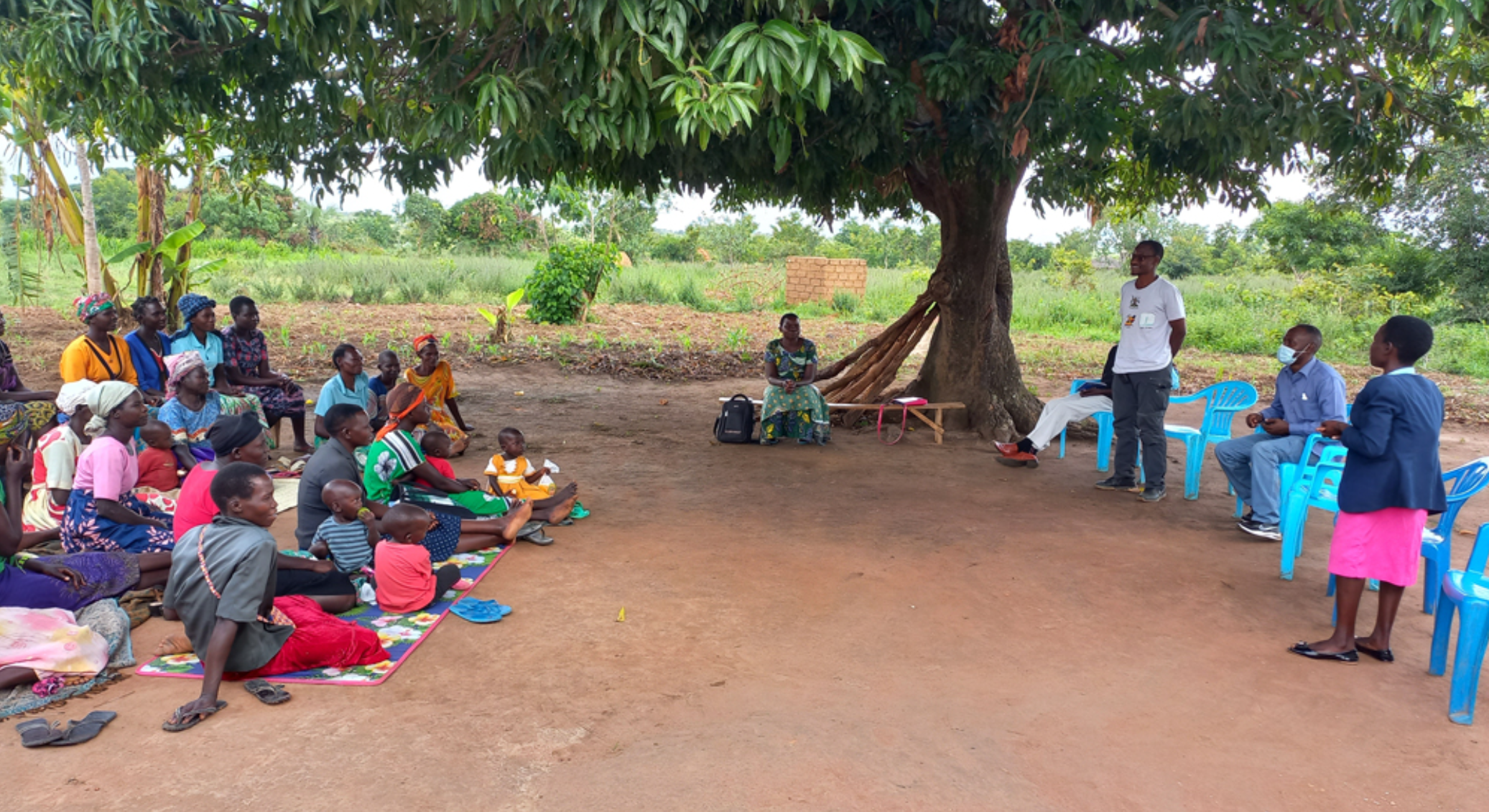
– About 4,000 ASM workers were trained on social issues such as gender equality and community relations
Supporting women in ASM
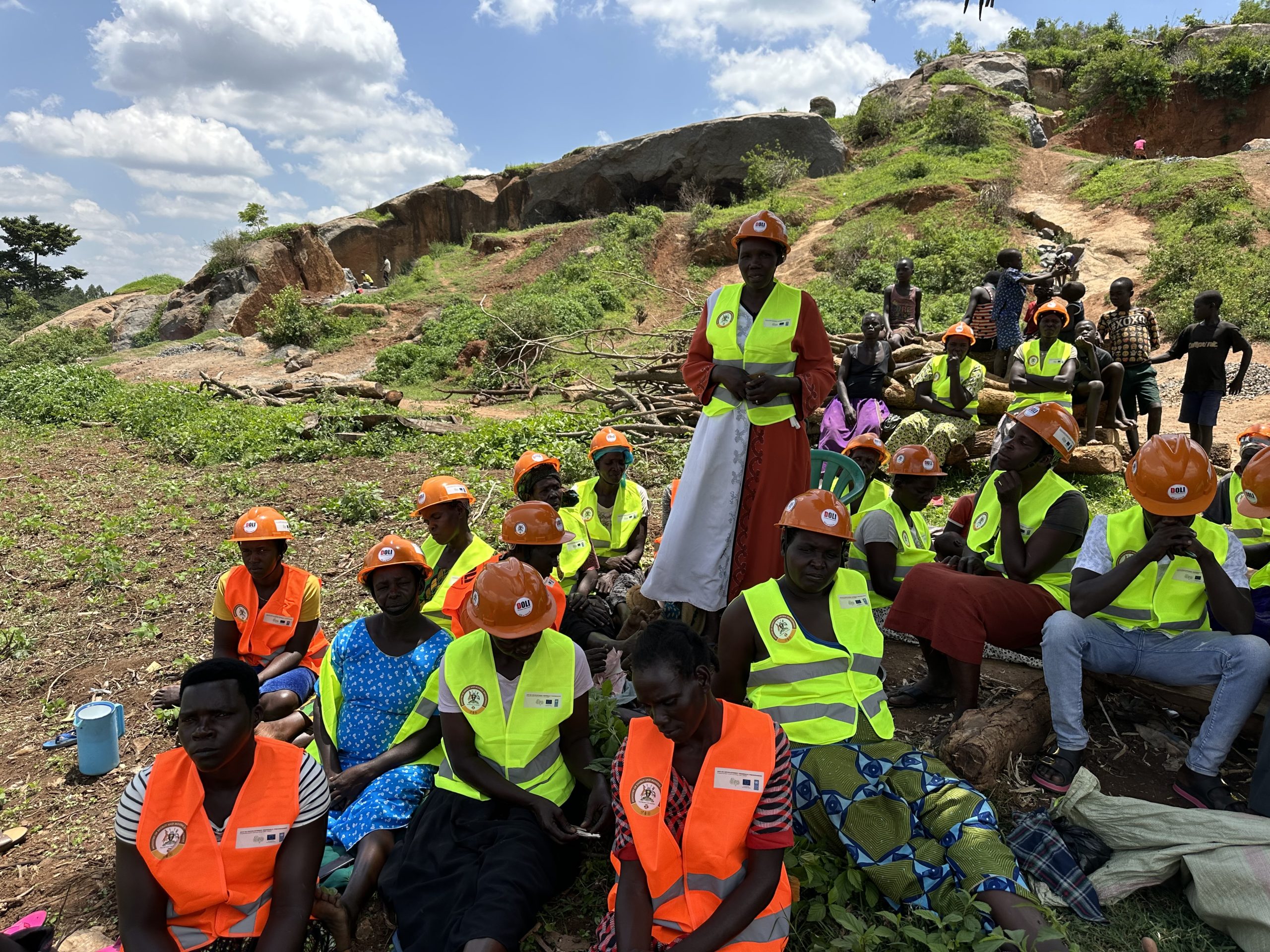
Gender inclusion is a core priority. Women represented around 42% of our training participants, and targeted support has been provided to women-led artisanal and small-scale mining enterprises (ASMEs) and cooperatives.
Knowledge and partnerships
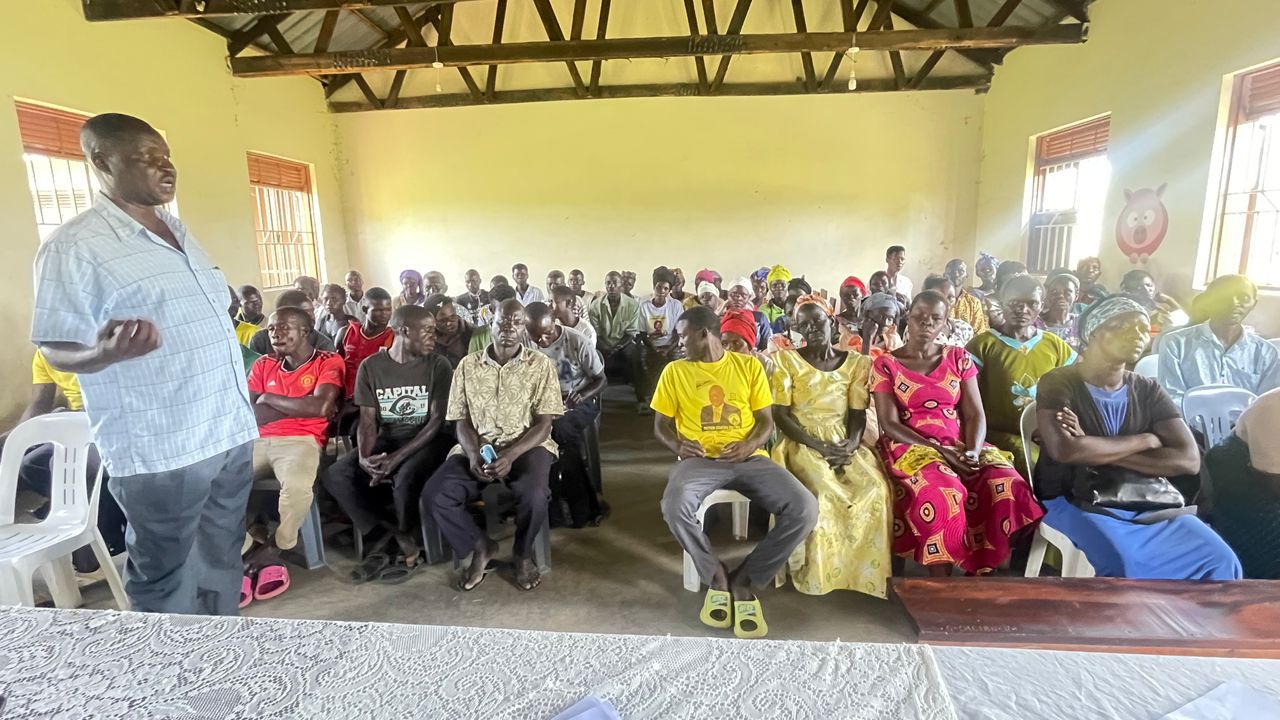
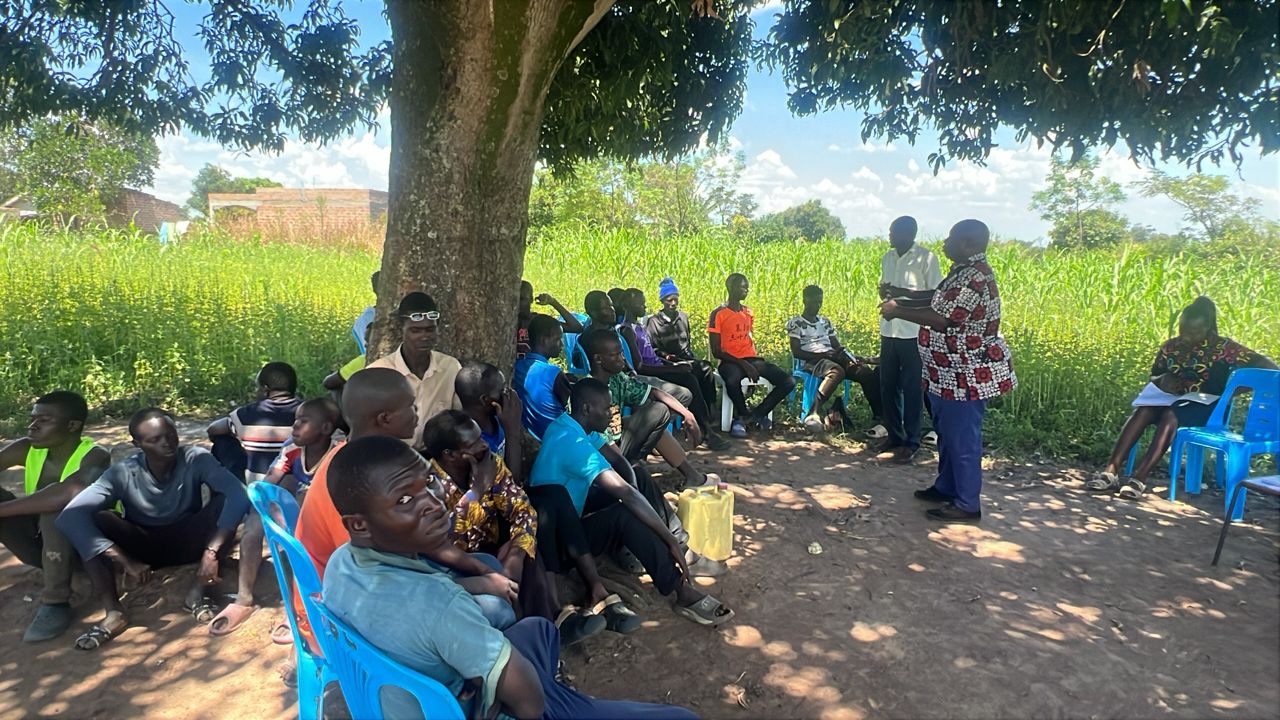
The Programme facilitates exchange of knowledge and good practices across countries in the African, Caribbean, and Pacific (ACP) regions. More than 24,000 participants have taken part in knowledge-sharing events and trainings.
MEDIA
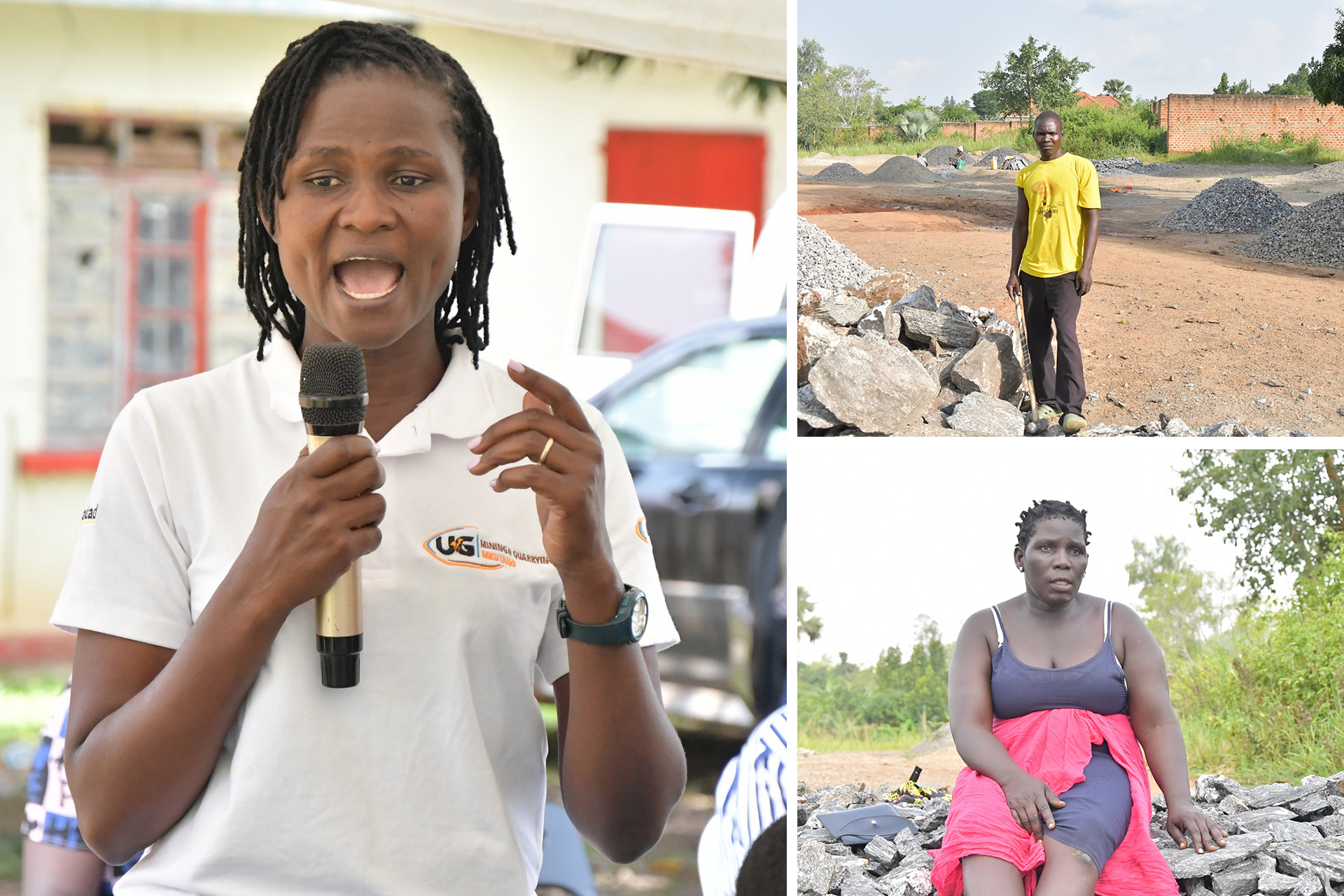
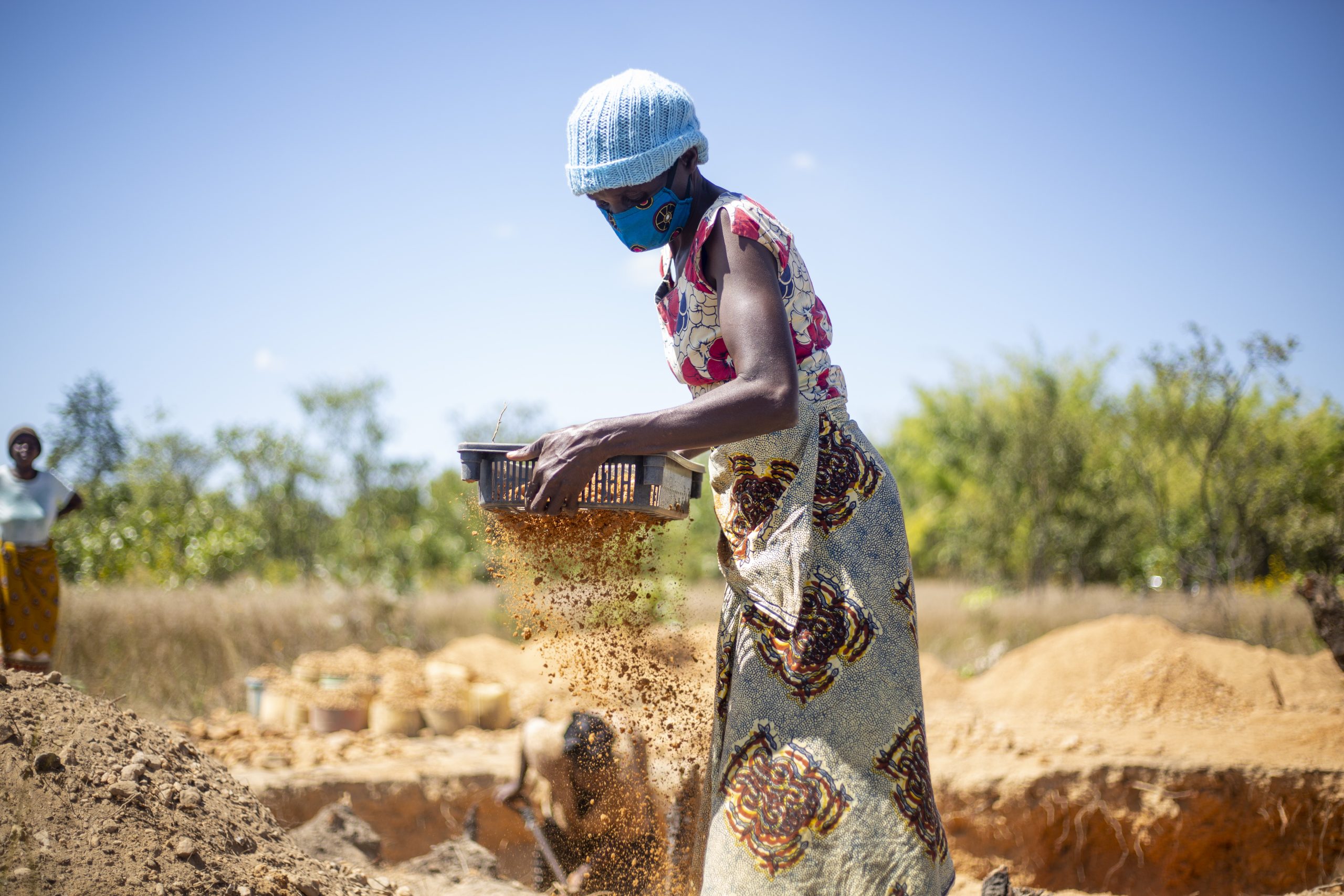
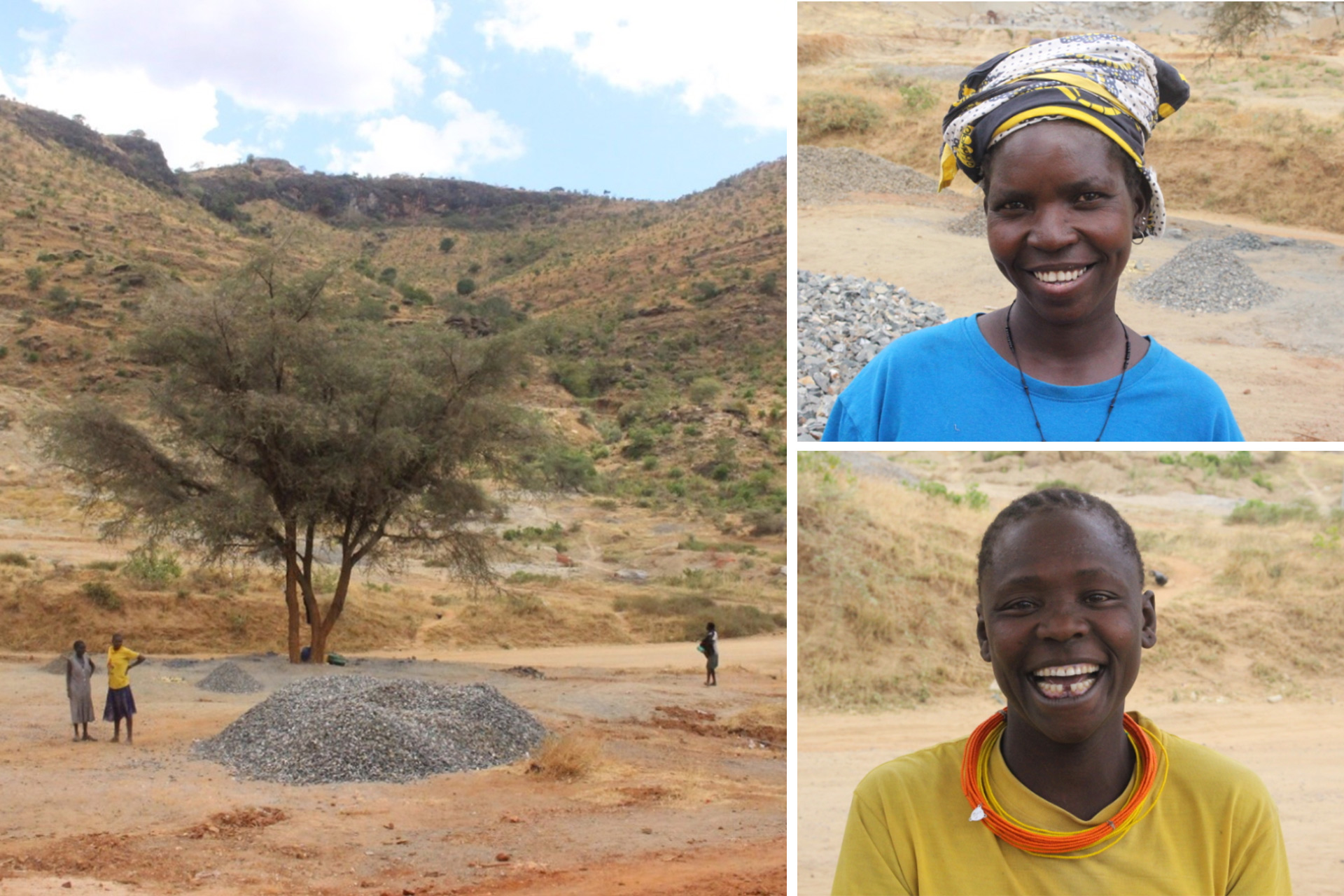
Insights, Experiences and Stories
“Women are already playing an active role in value addition and beneficiation in the mining sector. As the digital and green transition advances, their contribution is increasingly important. With targeted support - including access to finance, geological data, and training - women can strengthen their participation and impact in this transition.
”
Women are already playing an active role in value addition and beneficiation in the mining sector. As the digital and green transition advances, their contribution is increasingly important. With targeted support - including access to finance, geological data, and training - women can strengthen their participation and impact in this transition.”
Yvonne Chileshe
Organisation of African, Caribbean and Pacific States
“The ACP-EU Development Minerals Programme, implemented in partnership with UNDP, is transforming the mining sector by empowering women and youth, creating jobs, and increasing incomes at community level. By linking mineral development to the green economy and the SDGs, the Programme is contributing to Agenda 2030 and supporting the global green transition.
”
The ACP-EU Development Minerals Programme, implemented in partnership with UNDP, is transforming the mining sector by empowering women and youth, creating jobs, and increasing incomes at community level. By linking mineral development to the green economy and the SDGs, the Programme is contributing to Agenda 2030 and supporting the global green transition.”
James Wakiaga
UNDP Zambia Resident Representative
Videos
Photos
RESOURCES