VALUE ADDITION FOR PRODUCTION OF LOW-CARBON MATERIALS
Value addition means using raw minerals to produce a range of products used in everyday life and different industries. Development Minerals are used in many value chains that connect mining to manufacturing and final products:
Construction value chain
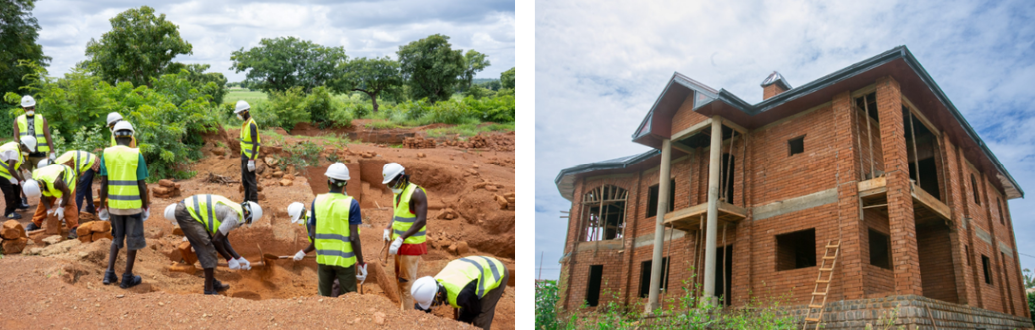
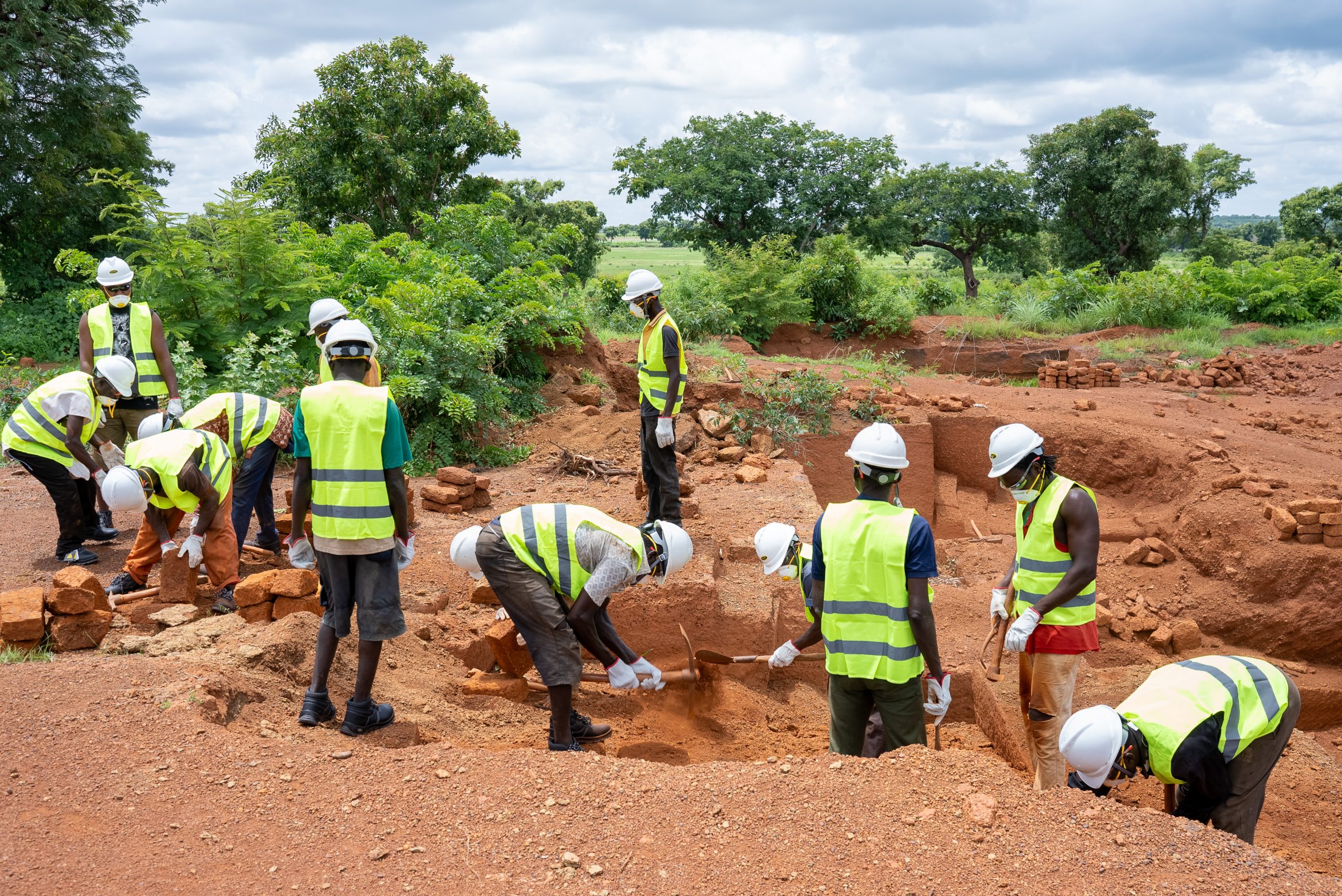
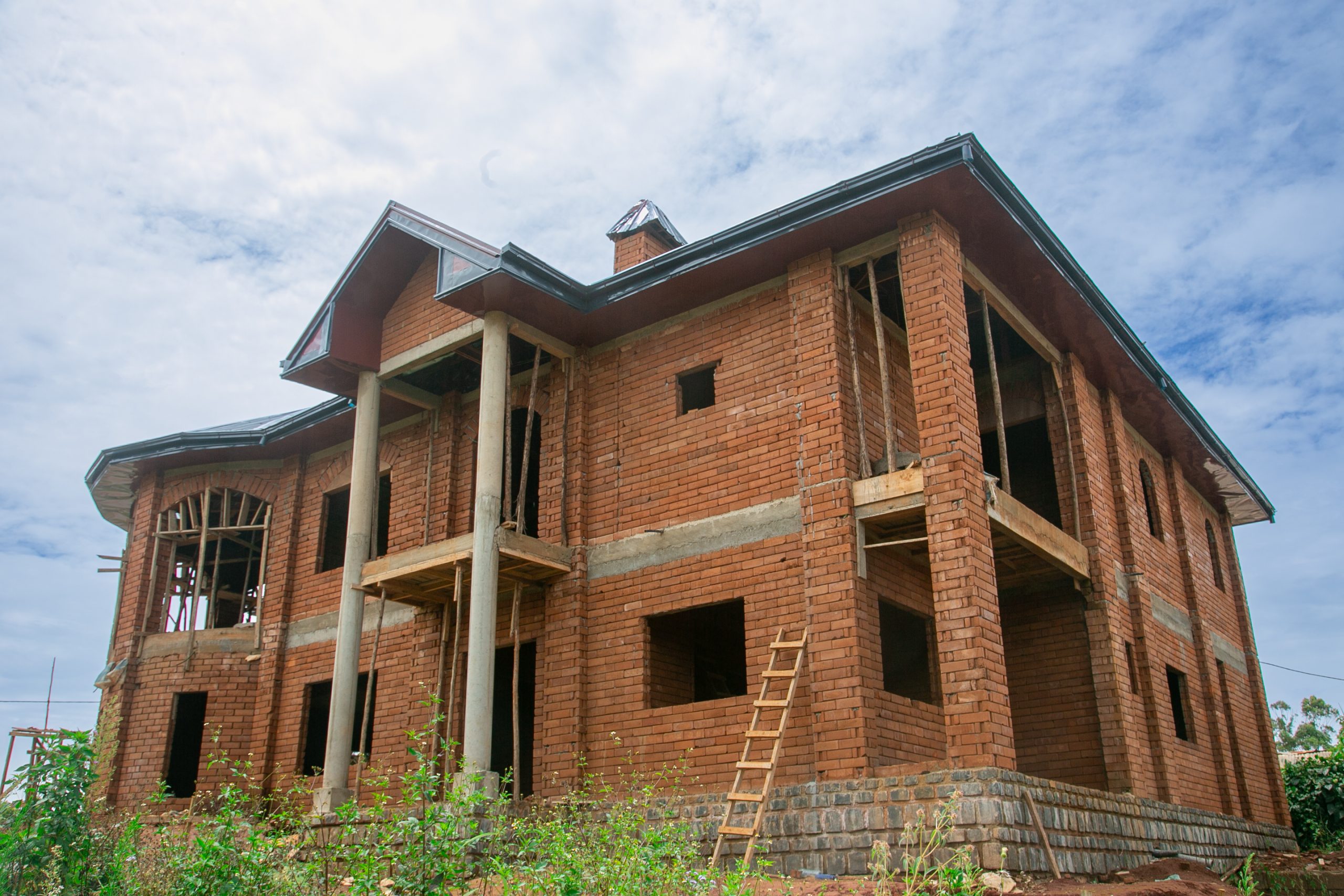
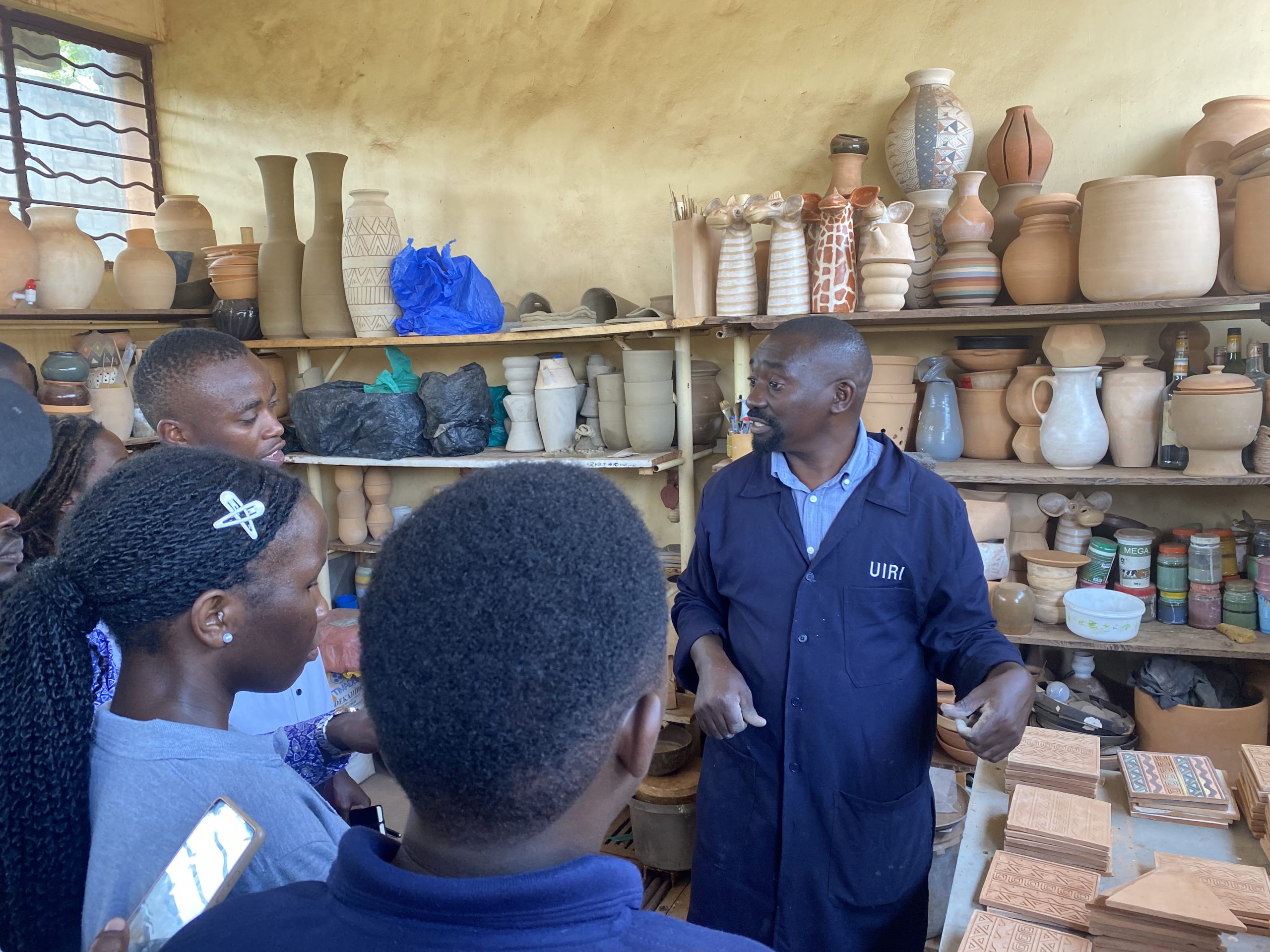
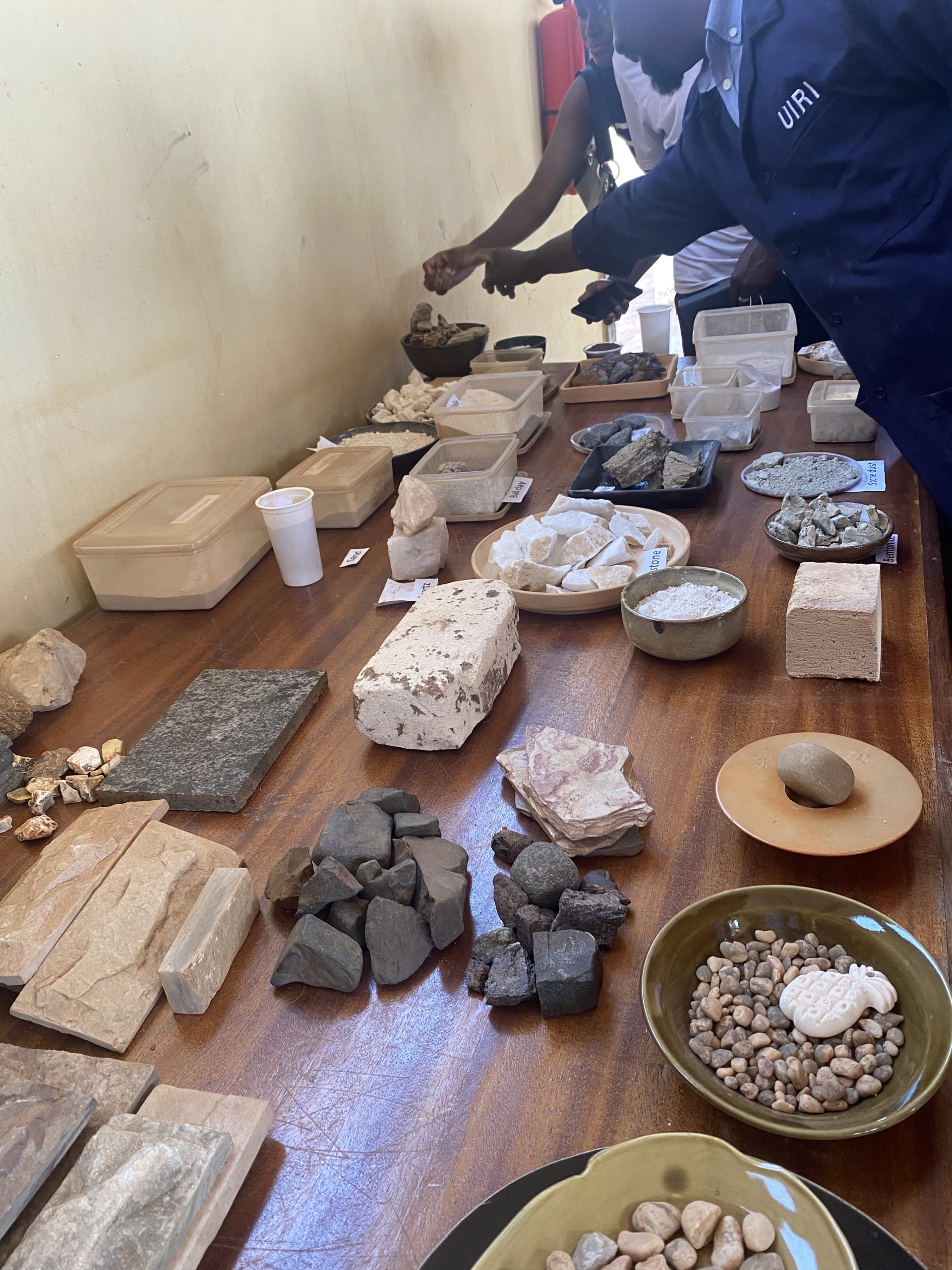
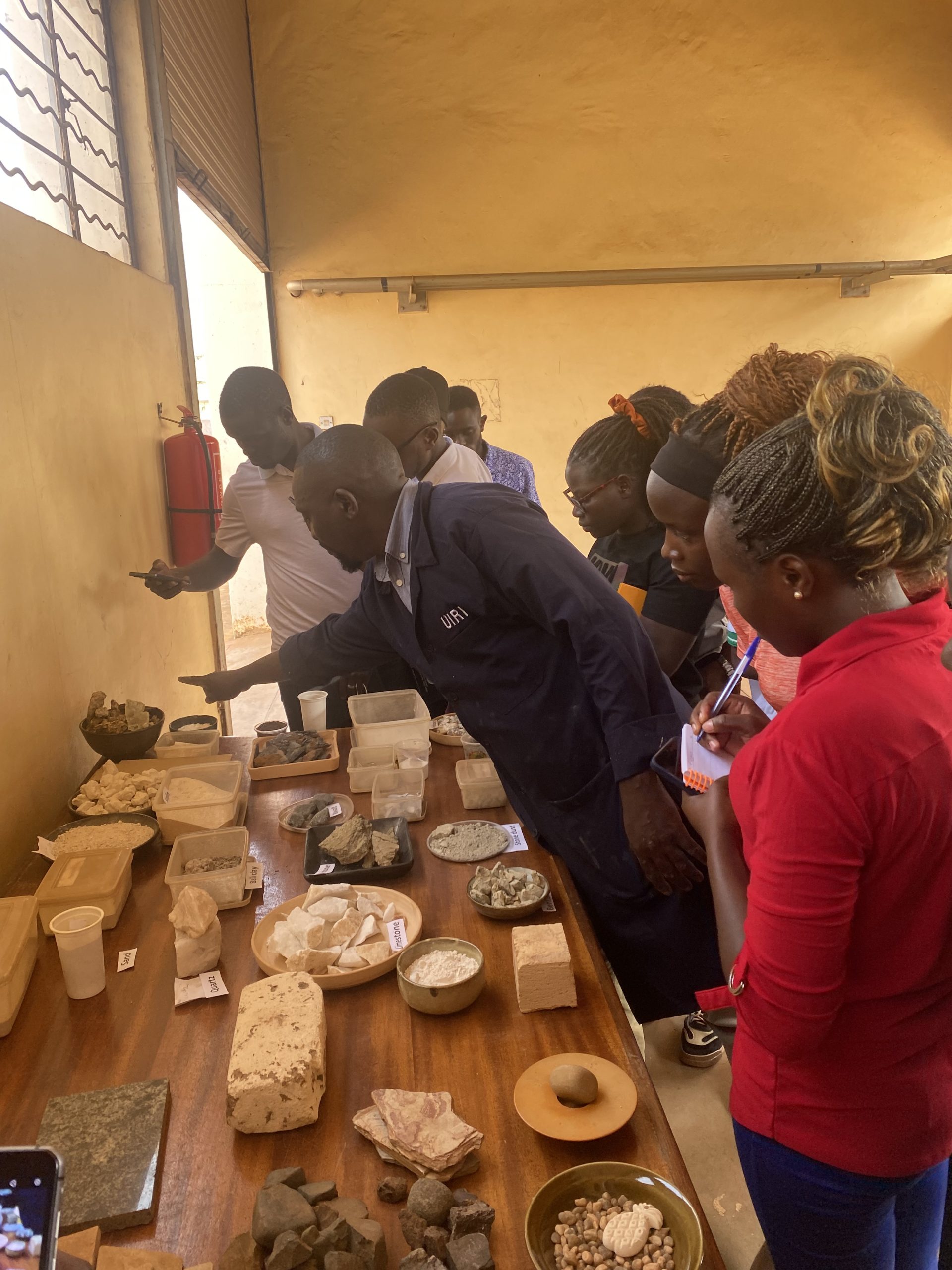
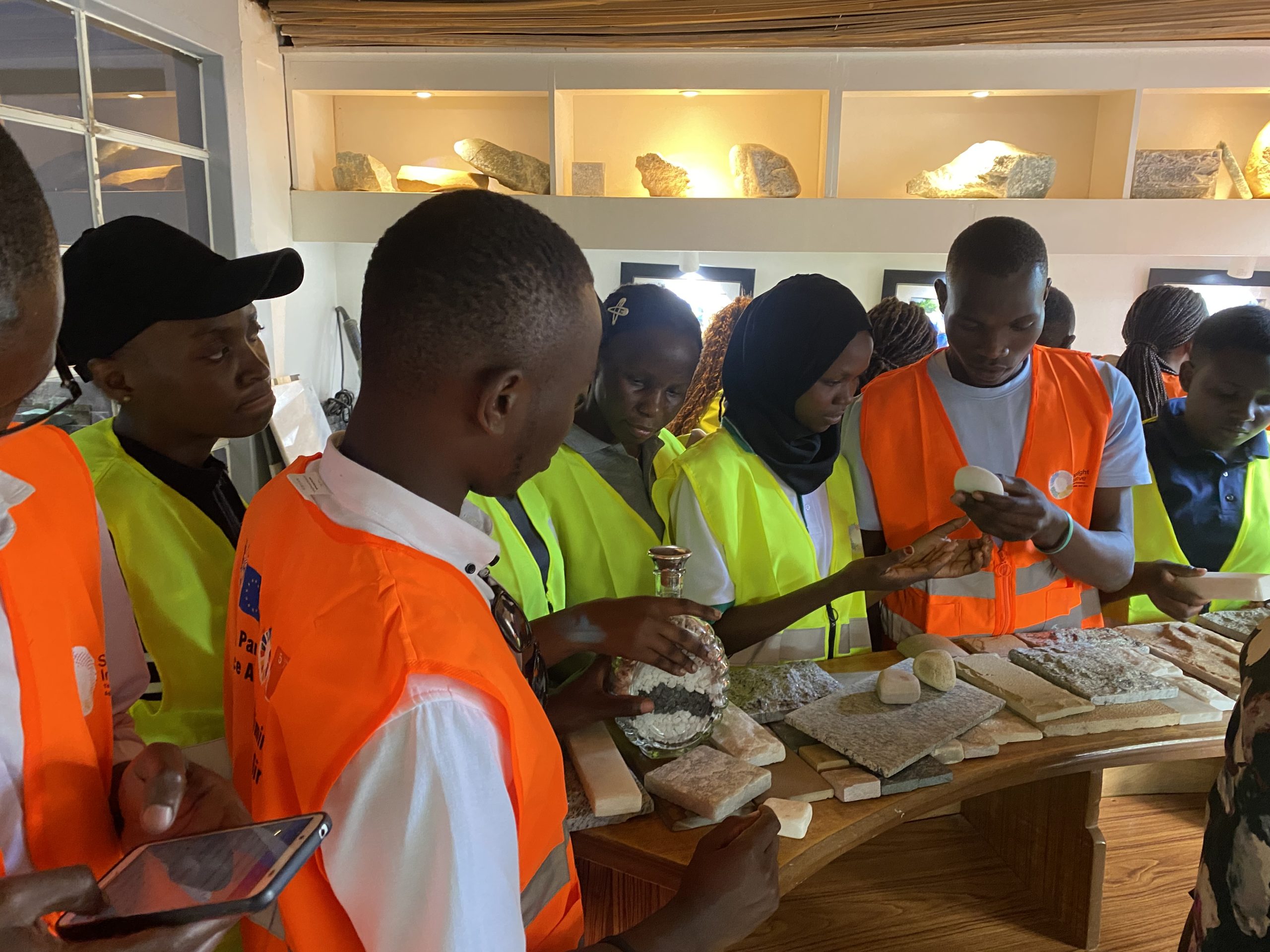
Minerals like sand, clay, limestone, and varieties of stone are used to produce cement, concrete, bricks, tiles, ceramic and other products for buildings and infrastructure.
Agricultural value chain
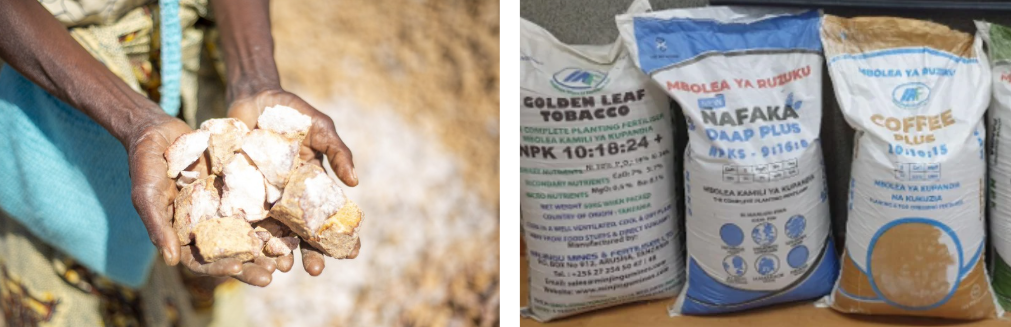
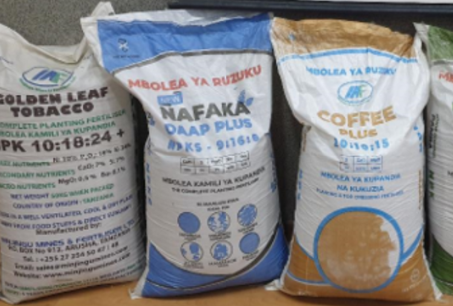
Minerals such as potash are used to produce fertilizers to grow food. Salts are used as feed for livestock.
Consumer goods value chain
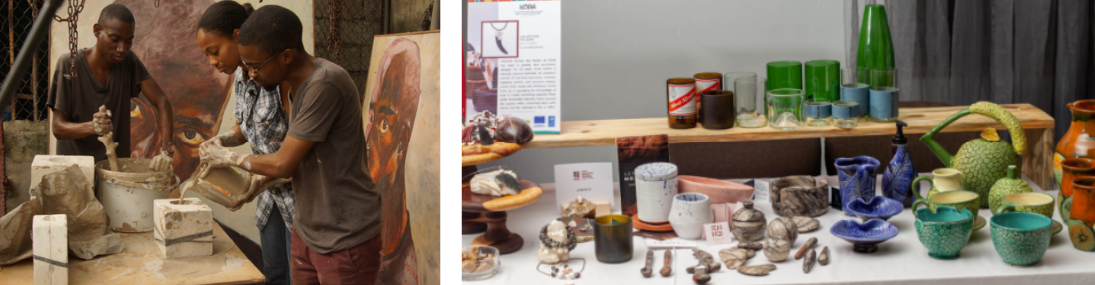
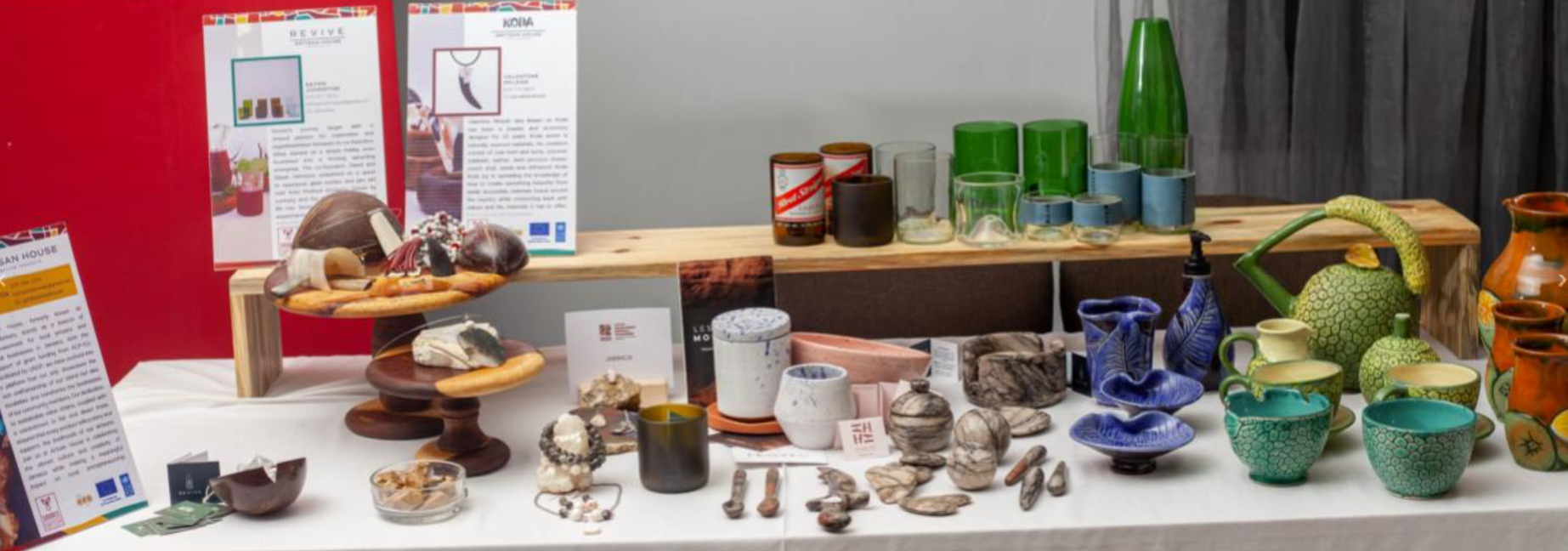
A wide variety of Development Minerals is used to produce items such as ceramics, glass, paints, glue, cosmetics and other household goods. High-purity silica sand is used to produce chips and solar panels.
Gemstones value chain
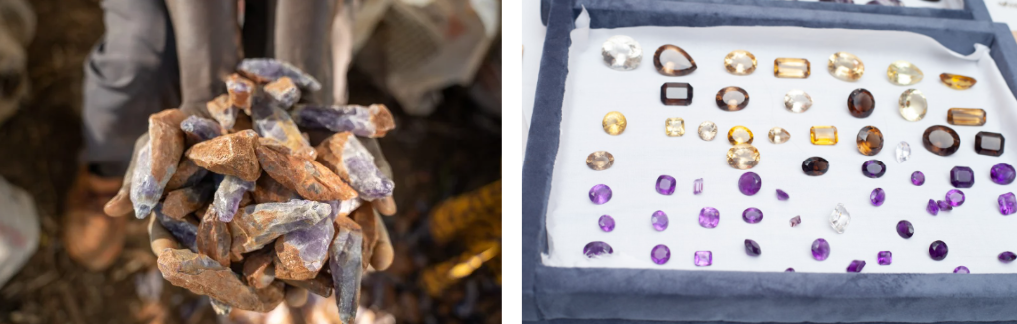
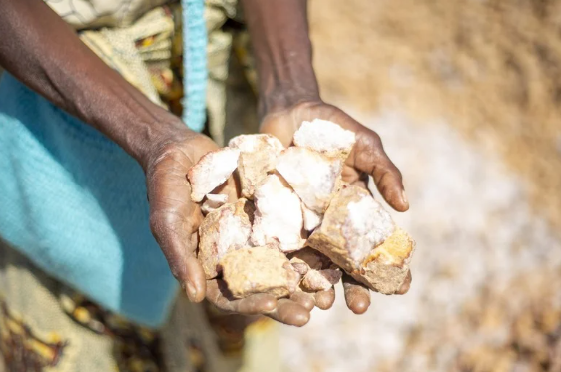
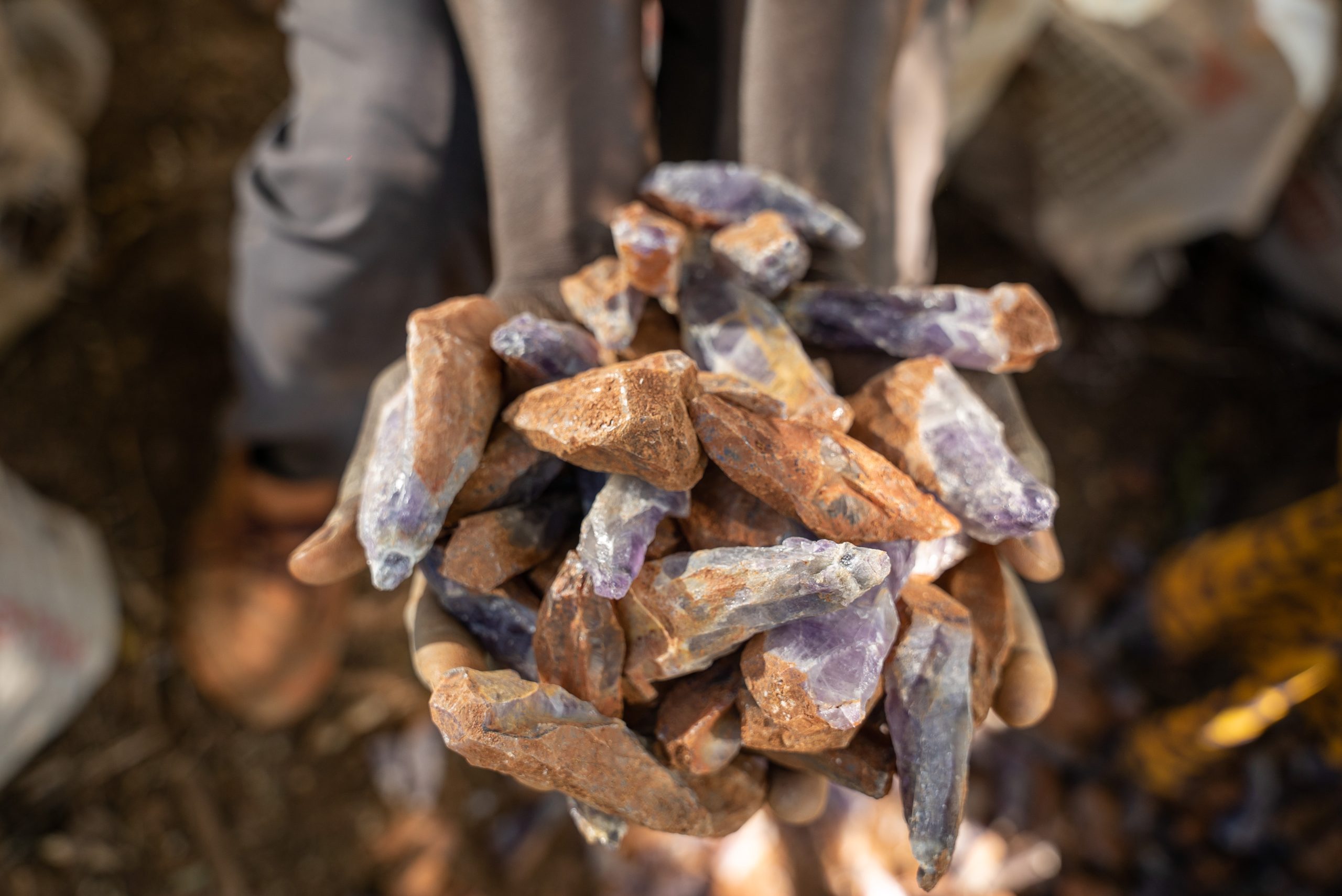
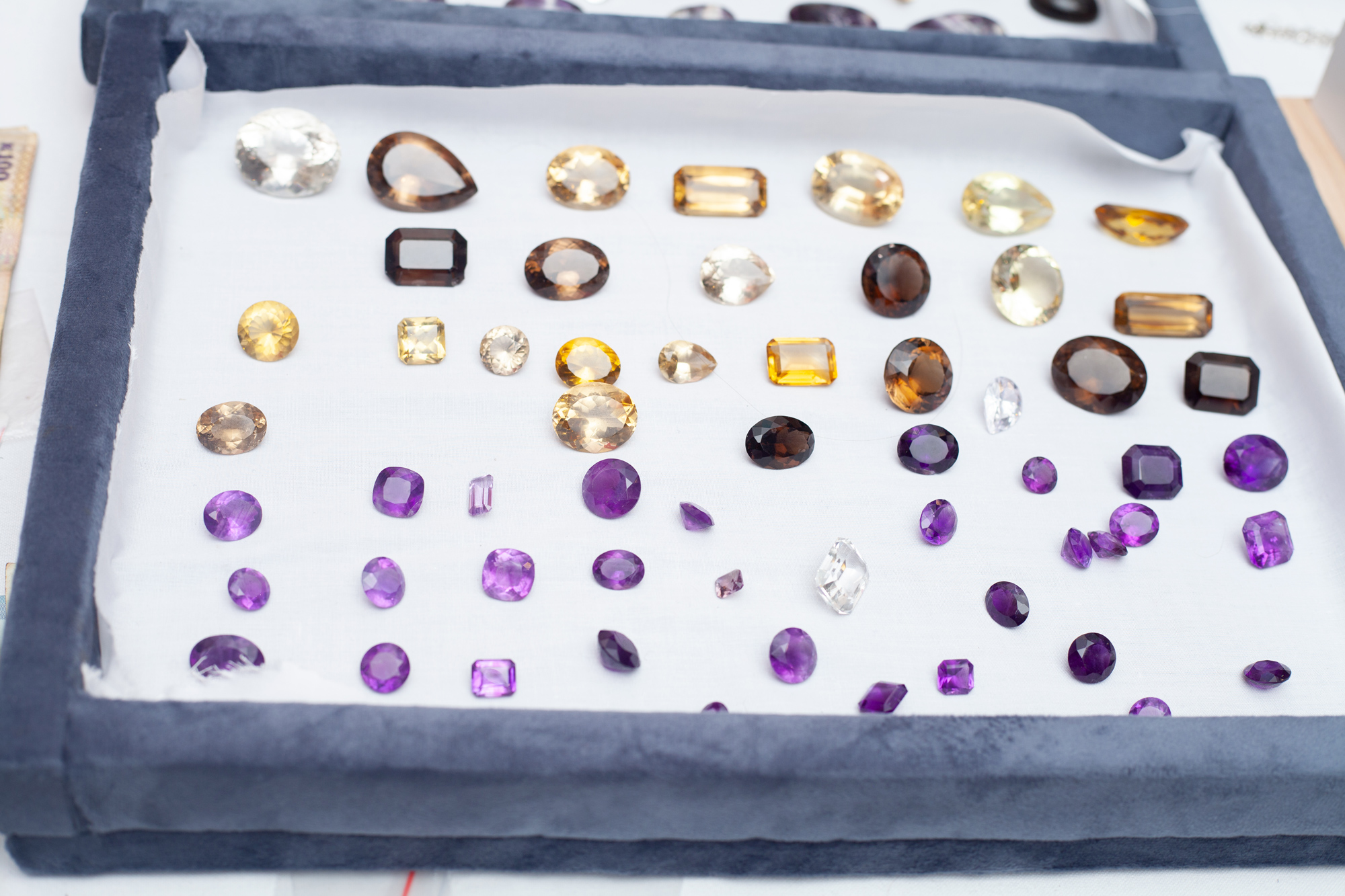
Gemstones can be processed, cut, and polished, and then used in jewellery or industrial applications.
Because most of these minerals are used locally – close to where they are produced, there is strong potential for countries to create value locally, develop industries, and reduce reliance on imports.
Why it matters
Better use of local resources
Value addition to minerals locally allows countries to capture more value from their own mineral resources instead of exporting raw materials.
New jobs and business opportunities
Value addition creates new jobs and business opportunities for small enterprises by helping them move into processing, manufacturing, and sectors such as construction and infrastructure.
The ACP-EU Develepment Minerals Programme focuses in particular on the construction value chain, where there is a strong market demand and clear opportunities for value addition and innovation. Within the construction value chain, we promote production of eco-friendly materials and products – those that have lower carbon emissions, use circular materials and are more environmentally sustainable than conventional materials.
WHAT ARE LOW-CARBON MATERIALS
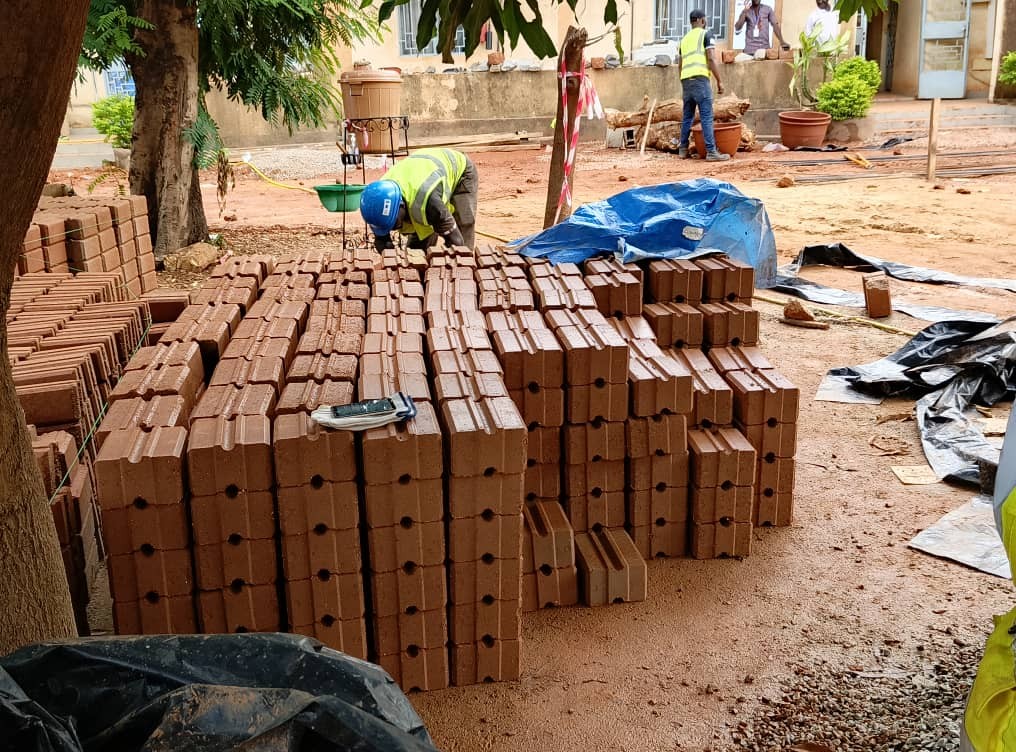
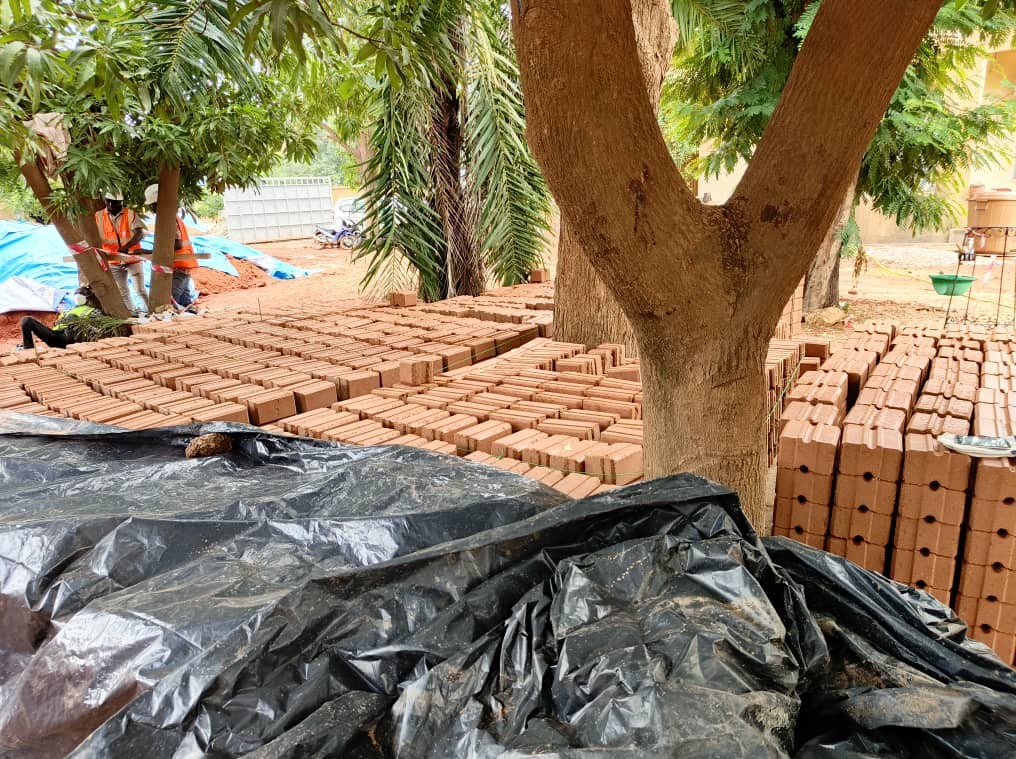
Low-carbon materials are building materials that are produced using methods that reduce carbon emissions. These include alternatives to conventional construction materials, such as earth-based building products and blended cements that use less energy and fewer high-emission inputs.
These materials are produced through value addition, by processing local minerals into more sustainable construction products.
Why it matters
Demand for construction materials is increasing in African, Caribbean and the Pacific regions due to urbanization, population growth, and the need for resilient infrastructure. Construction is one the largest sources of carbon emissions. Therefore, it is important to transition to materials with lower environmental impact – that emit less carbon, make use of circular materials and have less negative impact on the environment and ecosystems.
CHALLENGES
Despite the opportunities, several barriers limit the development of value addition and the adoption of low-carbon materials:
Limited technical capacity
Many enterprises lack the skills and knowledge needed to process materials or adopt new production methods.
Access to equipment and finance
Processing minerals and producing new materials requires investment in equipment, which is often difficult to access.
Market access constraints
Small producers may struggle to reach buyers or meet quality standards required in formal markets.
Limited participation in value chains
Many producers remain at the lowest end of value chains and are not involved in processing or higher-value activities.
Slow adoption of new materials
Low-carbon materials are still emerging, and awareness among builders, regulators, and consumers can be limited.

OUR WORK
OUR GOALS
The ACP-EU Development Minerals Programme promotes value addition to Development Minerals, with a strong focus on the construction sector.
Specifically, the Programme supports the development and use of low-carbon materials as a more sustainable approach to construction.
By using value addition to produce low-carbon materials, the Programme helps enterprises increase their incomes while reducing environmental impact.
OUR ACHIEVEMENTS
The Programme has supported progress in value addition and low-carbon materials through:
- Promoting low-carbon, circular and generally, greener materials and technologies for sustainable construction.
- Fostering growth of artisanal, small and medium-scale enterprises producing low-carbon building materials.
- Developing skills in low-carbon materials value-addition, focusing on youth and women.
These activities are helping enterprises improve their products, access new markets, and adopt more sustainable practices.
OUR APPROACH
The ACP-EU Development Minerals Programme works to strengthen and make ASM more sustainable by working with both public institutions and enterprises. See the highlights of our activities:
Promoting innovation
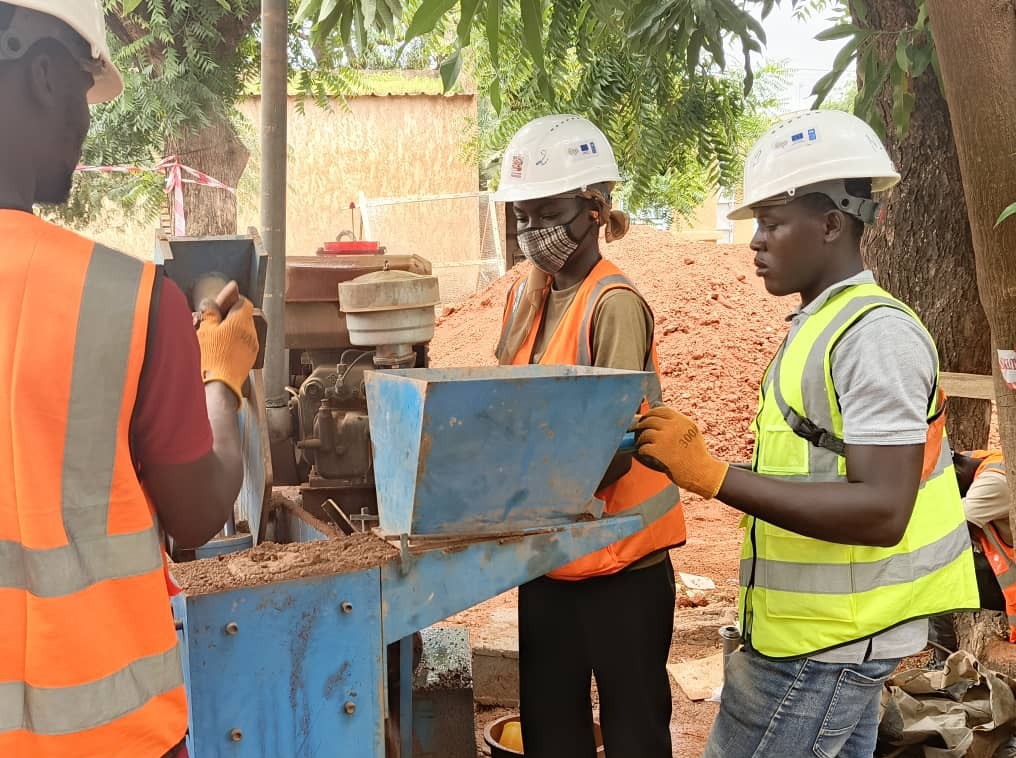
The Programme supports the development and testing of alternative construction materials and production methods, including value addition processes used to produce low-carbon materials.
Contributing to development of policies and standards
We work with governments to strengthen policies and standards that enable the production and use of value-added and low-carbon materials.
Building skills and knowledge
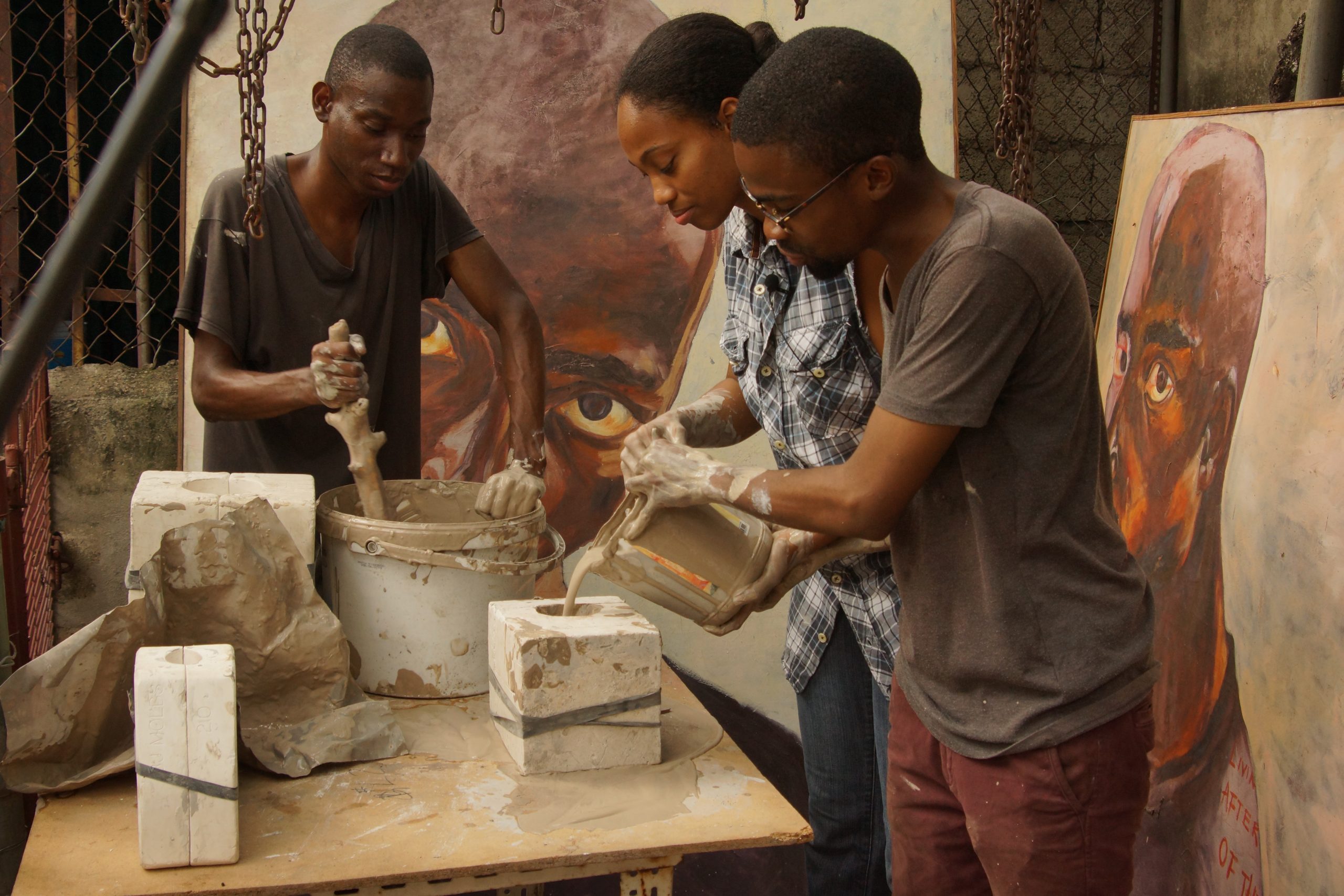
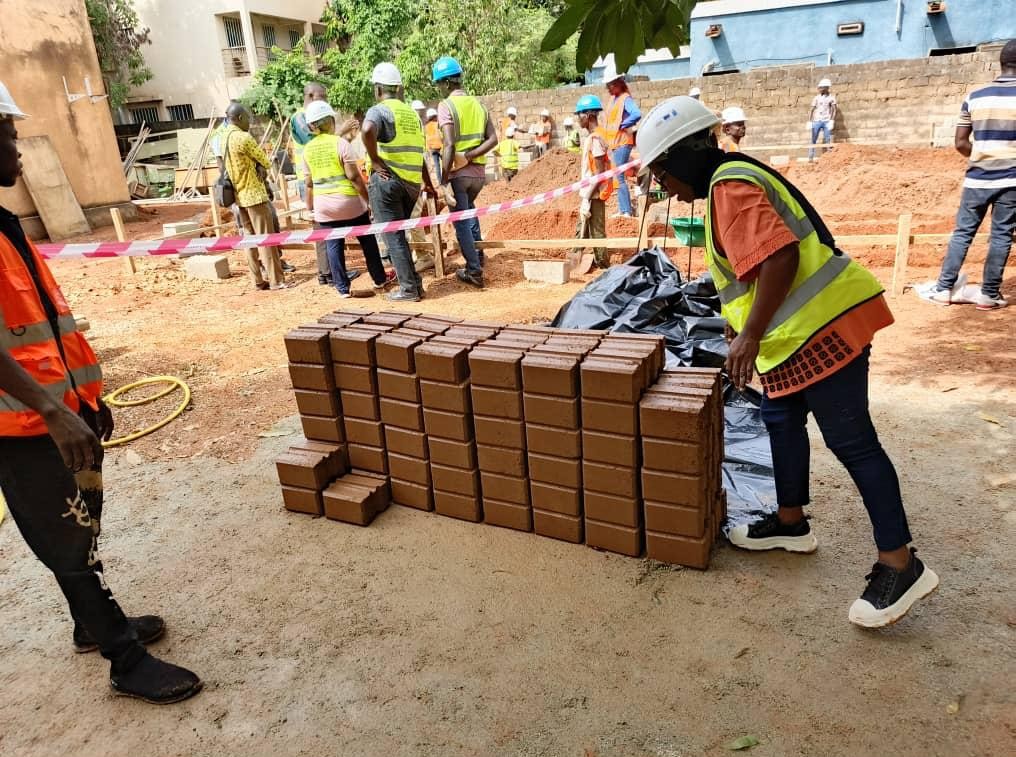
We provide integrated training of artisanal, small and medium-scale enterprises on production techniques, material processing, and business development.
Improving market linkages
We help connect producers to buyers and promote the use of locally produced materials in construction projects.
Generating and sharing knowledge
We conduct studies and collect data to provide evidence to the public and private sector on low-carbon materials and sourcing of minerals. We enable knowledge exchange across countries to scale up good practices.
WHAT WE DO
Fiji – supporting low-carbon cement (LC3)
In Fiji, the Programme is supporting the development of low-carbon cement (LC3) using locally available minerals. This includes technical and financial assessments, testing of materials such as clay and limestone, and support to the private sector to move towards pilot production. The aim is to replace imported cement with locally produced, lower-carbon alternatives.
Cameroon – training on low-carbon building materials
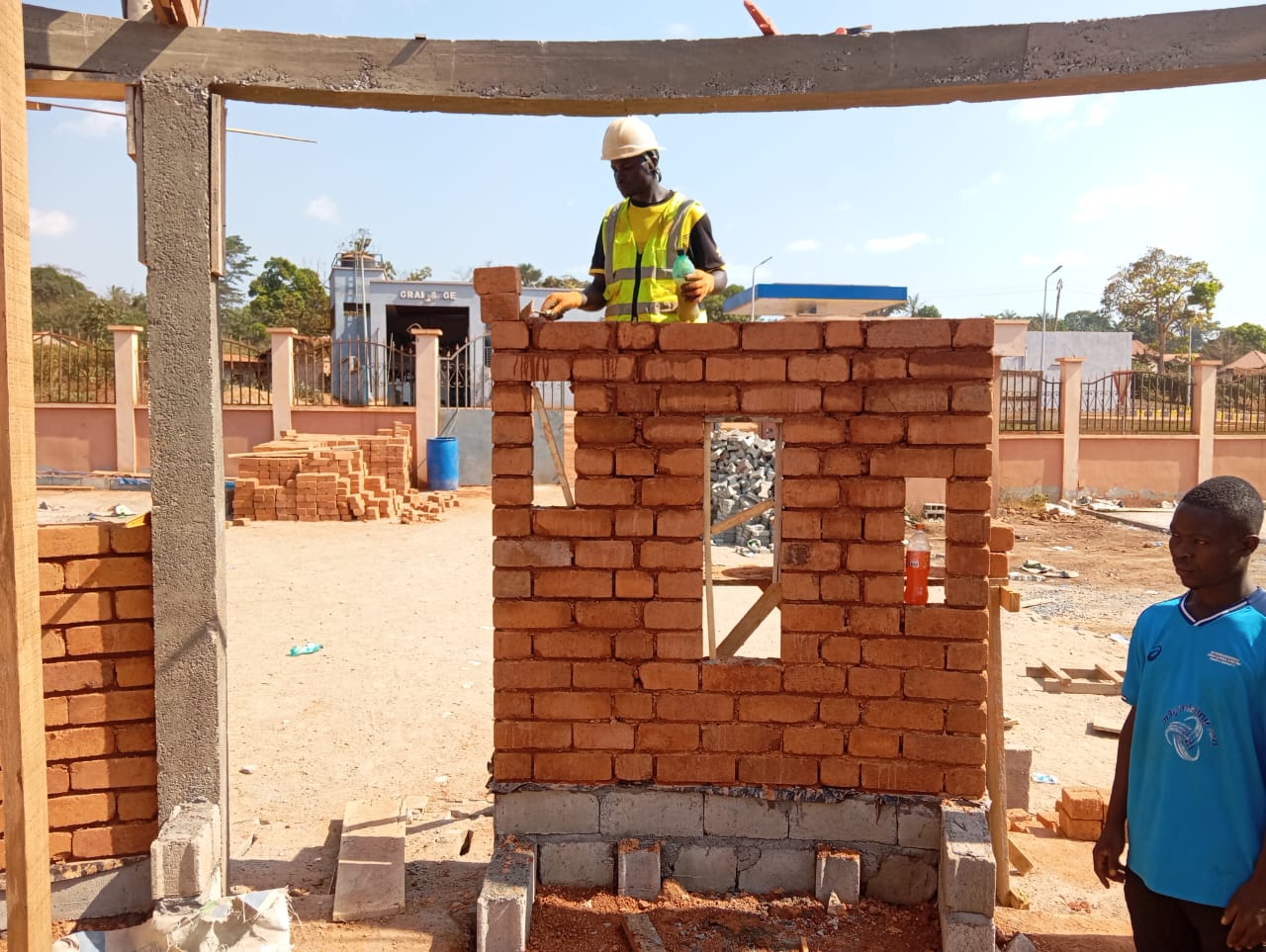
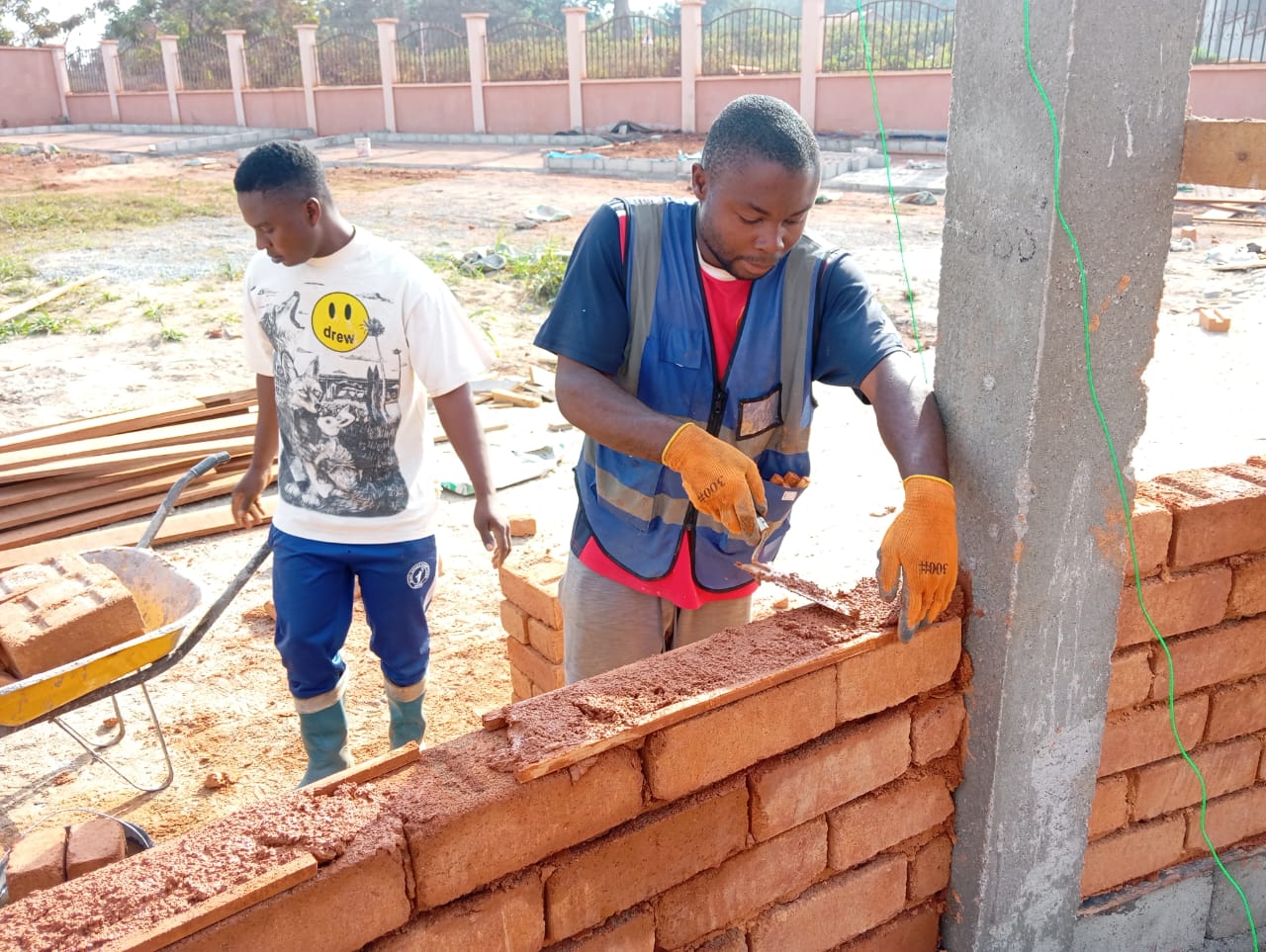
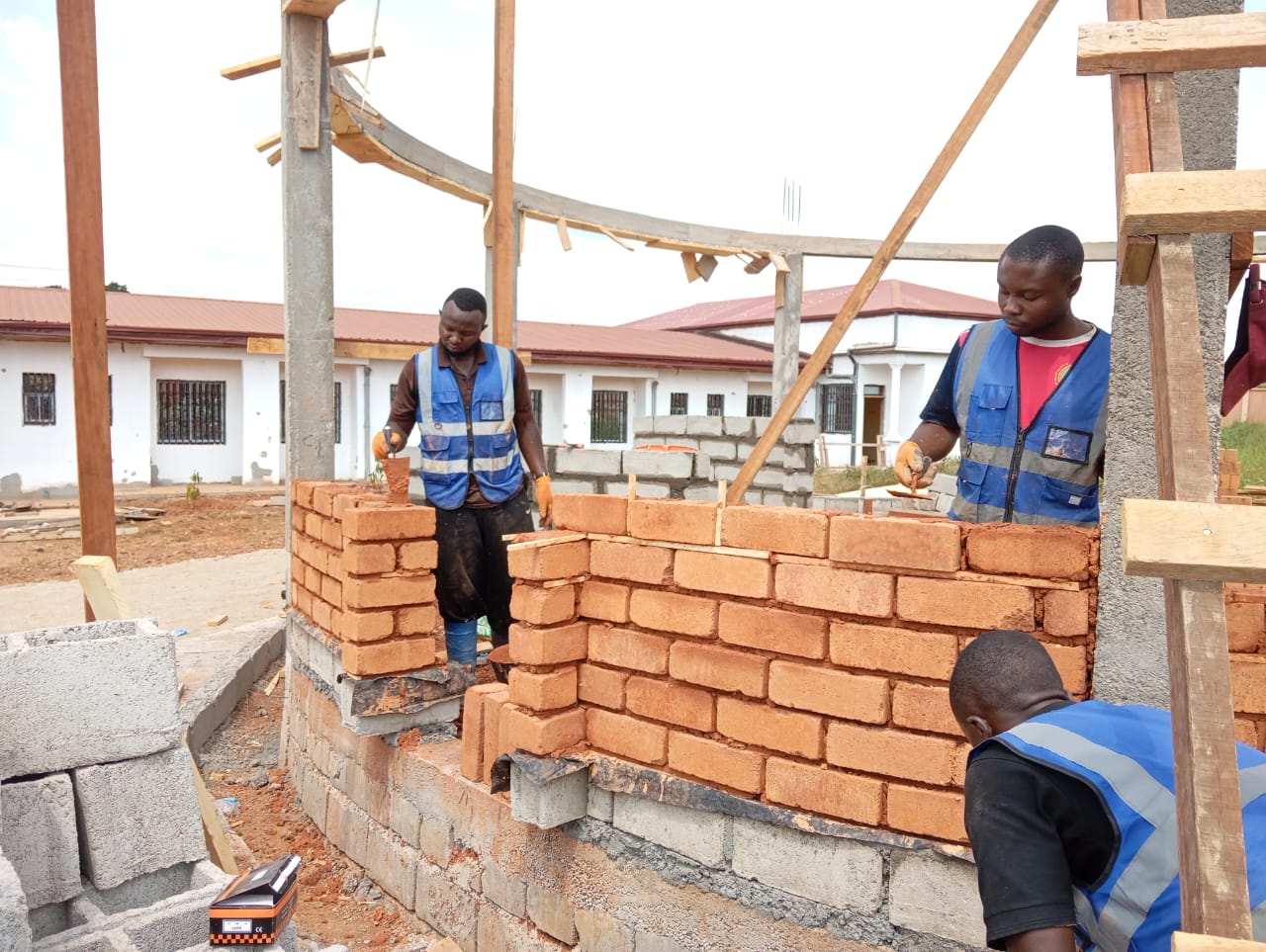
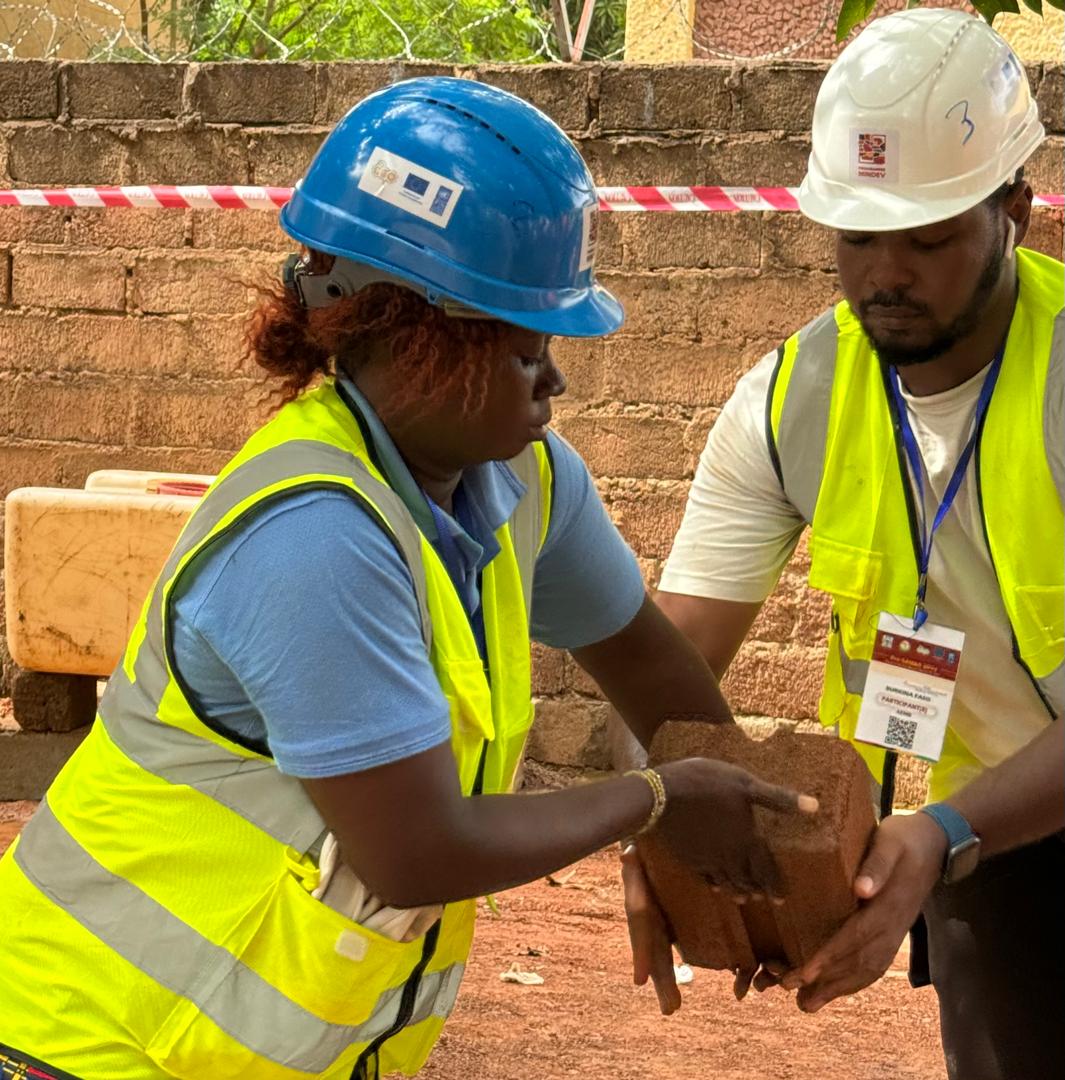
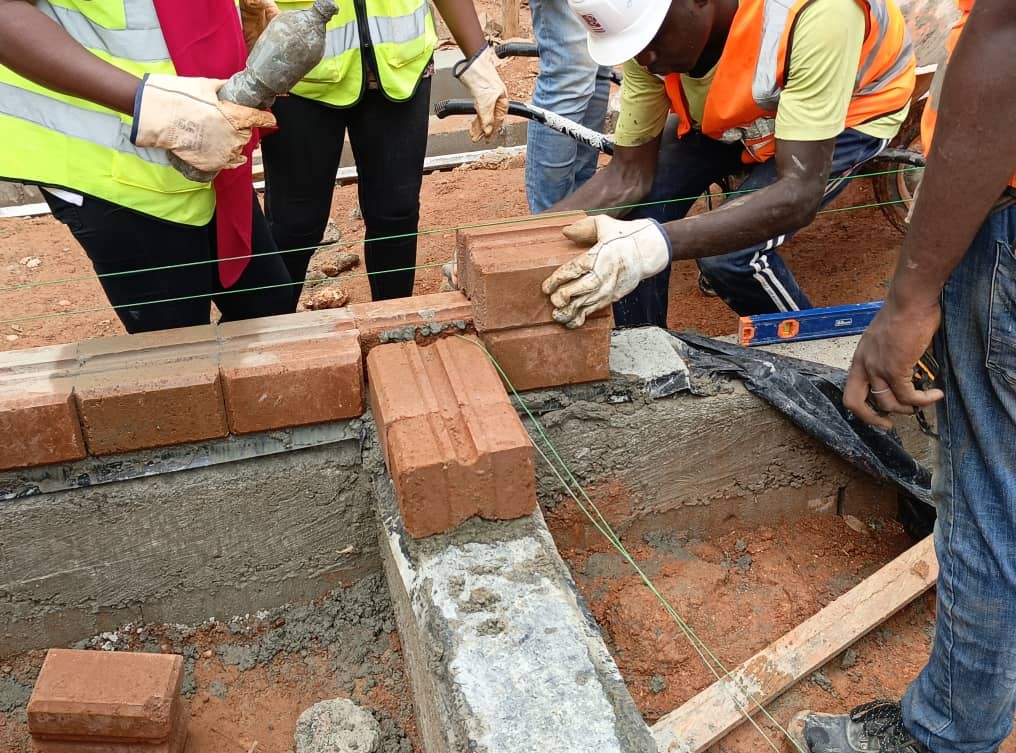
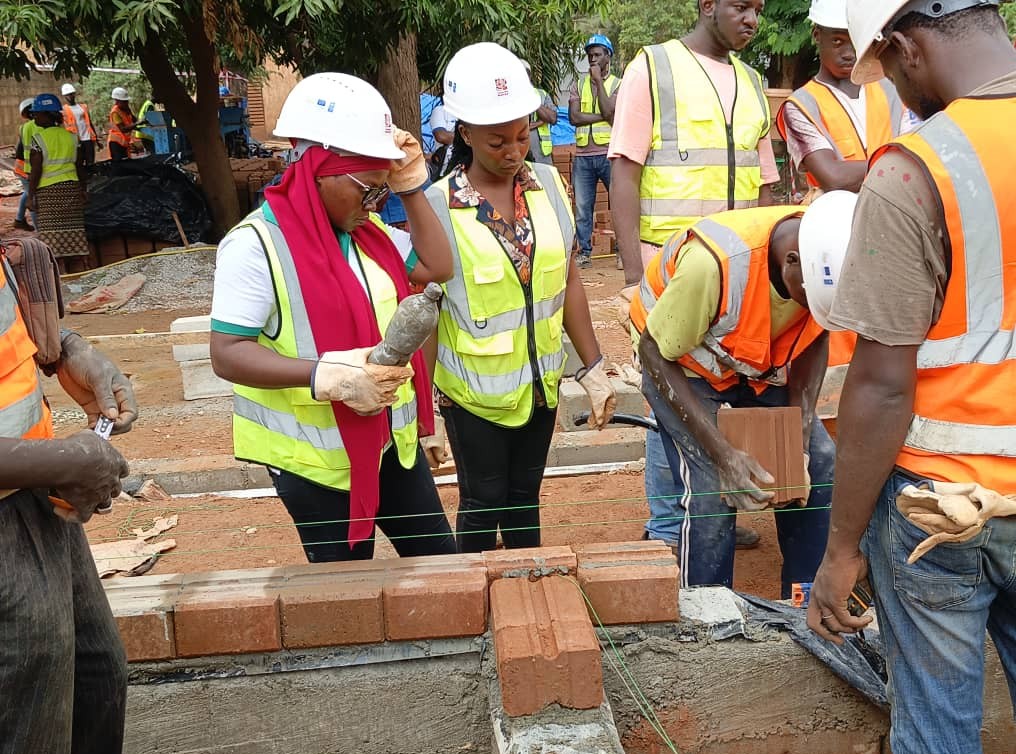
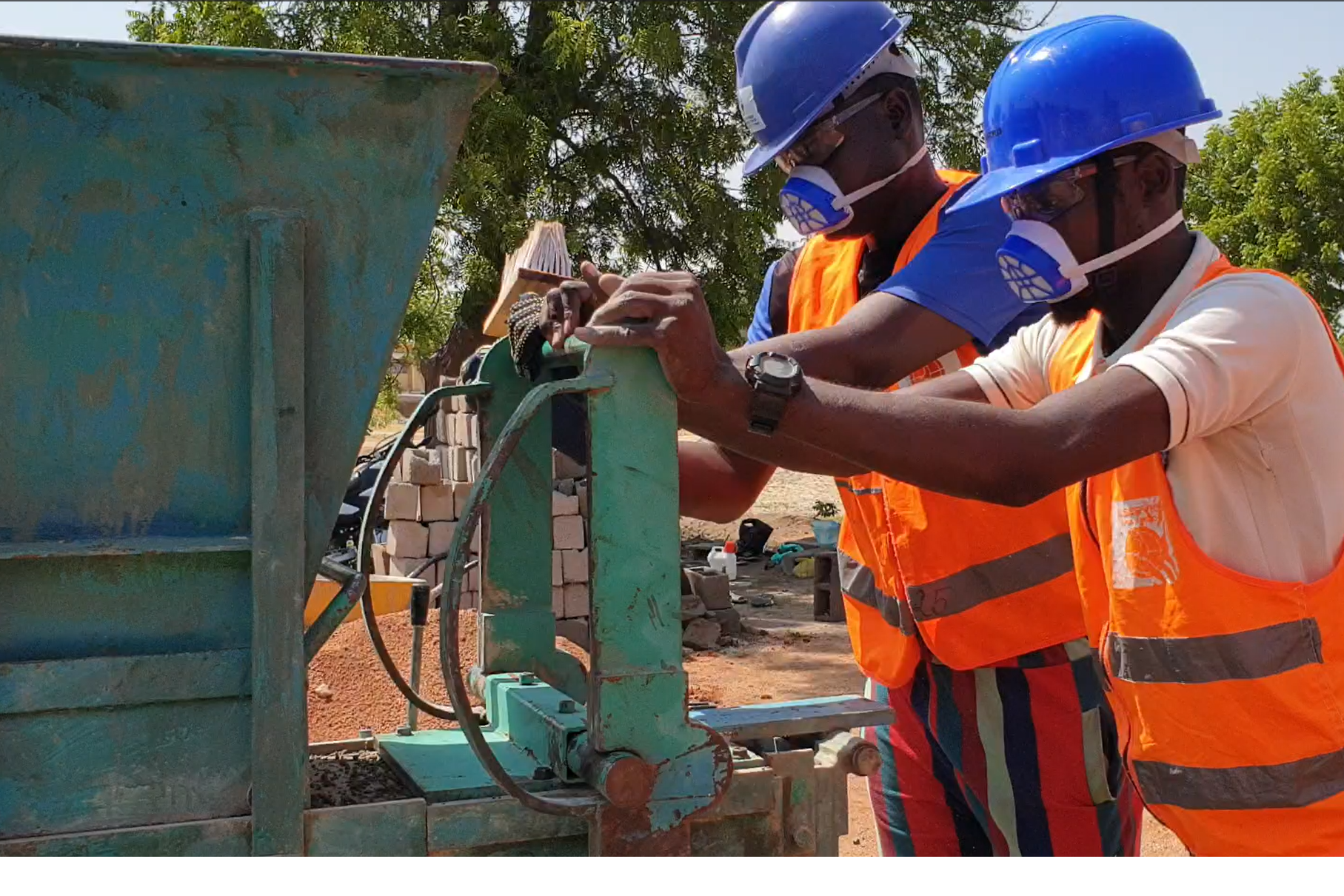
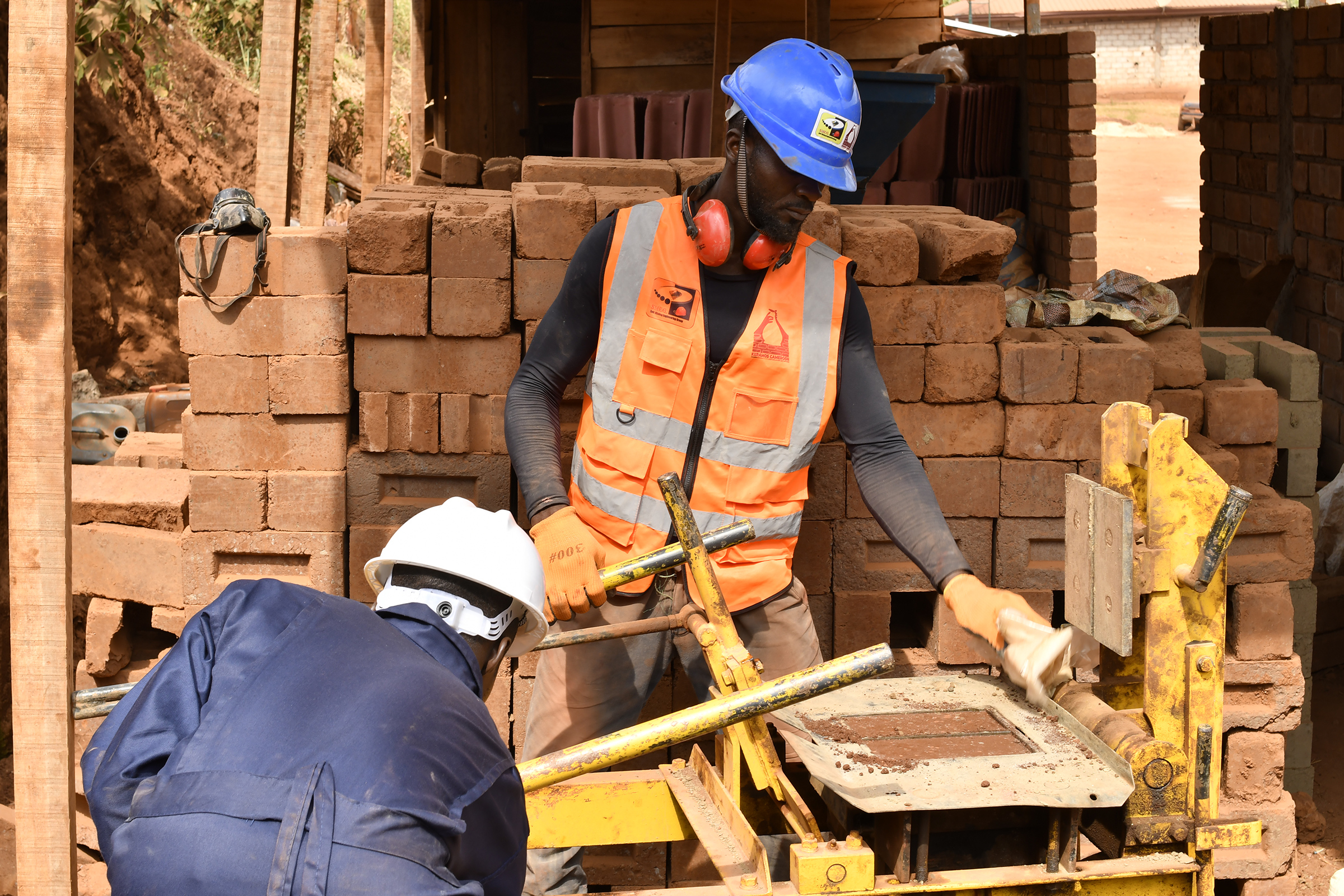
In Cameroon, the Programme focuses on practical training and demonstration. It has supported training in production of stabilized earth bricks and other low-carbon building materials. These activities help small-scale enterprises and local communities develop skills and create more sustainable construction solutions.
MEDIA
Insights, Experiences and Stories
“Low-carbon brick production using locally available clay and agricultural waste offers an important response to climate and housing challenges in Africa. Through the ACP-EU Development Minerals Programme, such approaches are being supported to promote sustainable mineral use.
”
Low-carbon brick production using locally available clay and agricultural waste offers an important response to climate and housing challenges in Africa. Through the ACP-EU Development Minerals Programme, such approaches are being supported to promote sustainable mineral use.”
Ibrahim Djagra
Founder AJDEC
“ India generates very large quantities of mining and industrial waste each year, amounting to millions of tonnes across different materials. At the same time, fertile agricultural topsoil continues to be used for brick production, creating risks for long-term food production. Current efforts focus on promoting the use of mining waste as an alternative resource for producing building materials.
”
India generates very large quantities of mining and industrial waste each year, amounting to millions of tonnes across different materials. At the same time, fertile agricultural topsoil continues to be used for brick production, creating risks for long-term food production. Current efforts focus on promoting the use of mining waste as an alternative resource for producing building materials.”
Soumen Maity
Technology and Action for Rural Advancement (TARA)
Videos
Photos