
From Fragmented Policies to One Vision
On 31 July 2026, Zambia launched the National Artisanal and Small-Scale Mining Strategy 2025–2029, marking what the Permanent Secretary of the Ministry of Mines and Minerals Development, Dr Hapenga M. Kabeta, called “the beginning of a new chapter for Zambia’s mining sector.”
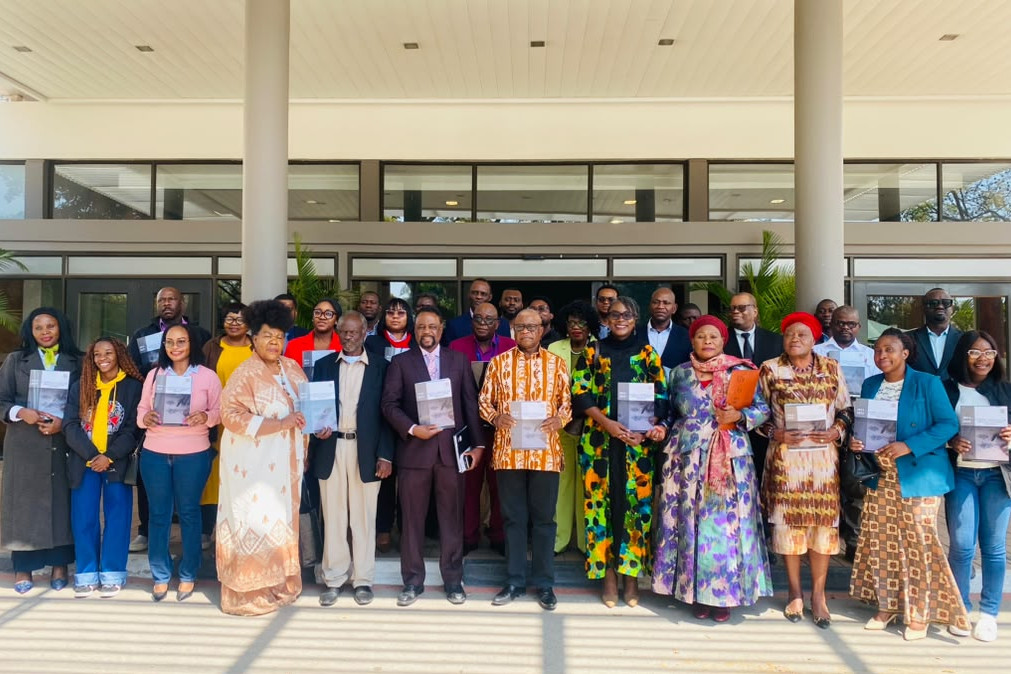
The launch event, organized by the Ministry of Mines and Minerals Development in partnership with UNDP under the ACP-EU Development Minerals Programme, brought together government, development partners, mining associations, financial institutions, civil society organizations and media.
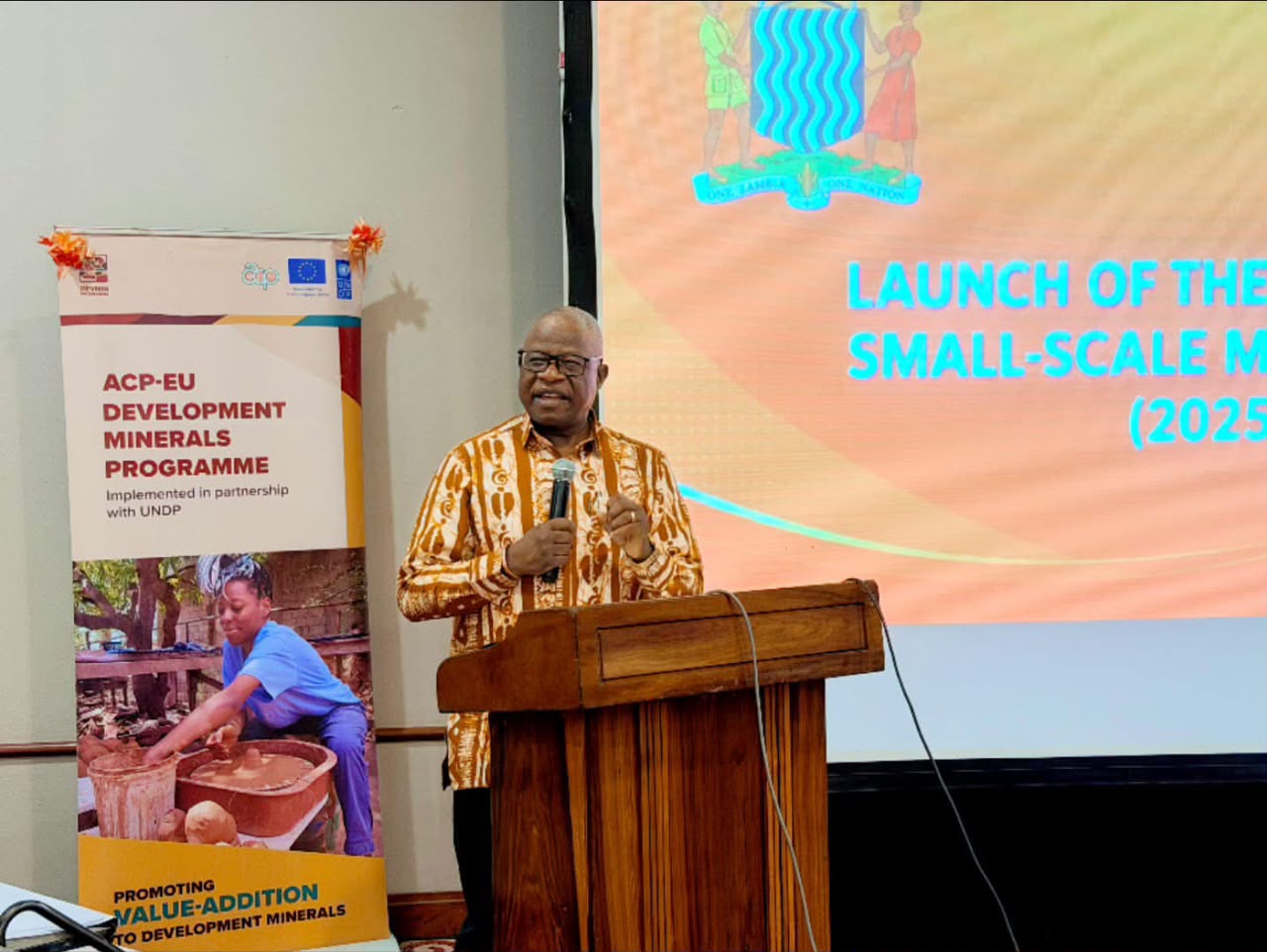
The Permanent Secretary stated that for many Zambians who depend on artisanal and small-scale mining (ASM) for their livelihoods, the strategy represents a shift from fragmented policies to one coordinated national vision: a formalized, productive, inclusive, and sustainable ASM sector.
“This strategy brings them together into a single national framework with a shared vision,” the Permanent Secretary said.
The Strategy builds on recent reforms to Zambia’s mining policy and regulatory framework, including the 2025 Geological and Minerals Development Act. It provides government with a coordinated framework to advance the formalization of artisanal and small-scale mining, while supporting a more responsible, sustainable and inclusive sector.
Previously, different organizations and initiatives did not always share the same understanding or approach to ASM formalization. The development of the new Strategy brought different stakeholders together around a common framework for addressing the challenges facing the sector.
UNDP, through the ACP-EU Development Minerals Programme, provided technical and financial support throughout the development of the Strategy and worked closely with the Ministry of Mines and Minerals Development.
While ASM provides jobs, income and drives rural development, the sector continues to face major challenges including informality, limited access to finance, poor technology, weak safety standards, and environmental degradation. For many miners, these challenges mean limited opportunities to grow their businesses and earn a stable income.
Drawing lessons from Tanzania and Ghana, the Permanent Secretary noted that a more formalized ASM sector can make a significant contribution to national revenue and encouraged miners to embrace responsible mining practices.
Artisanal and Small-Scale Miners Welcome the New Strategy
Artisanal and small-scale mining associations say the strategy responds to challenges they have faced for many years. Speaking on behalf of artisanal miners, Federation of Small-Scale Mining Associations of Zambia (FESMAZ) President Mr. Joseph Mwansa welcomed the launch, calling it “a welcome move.”
From Potential to Practice
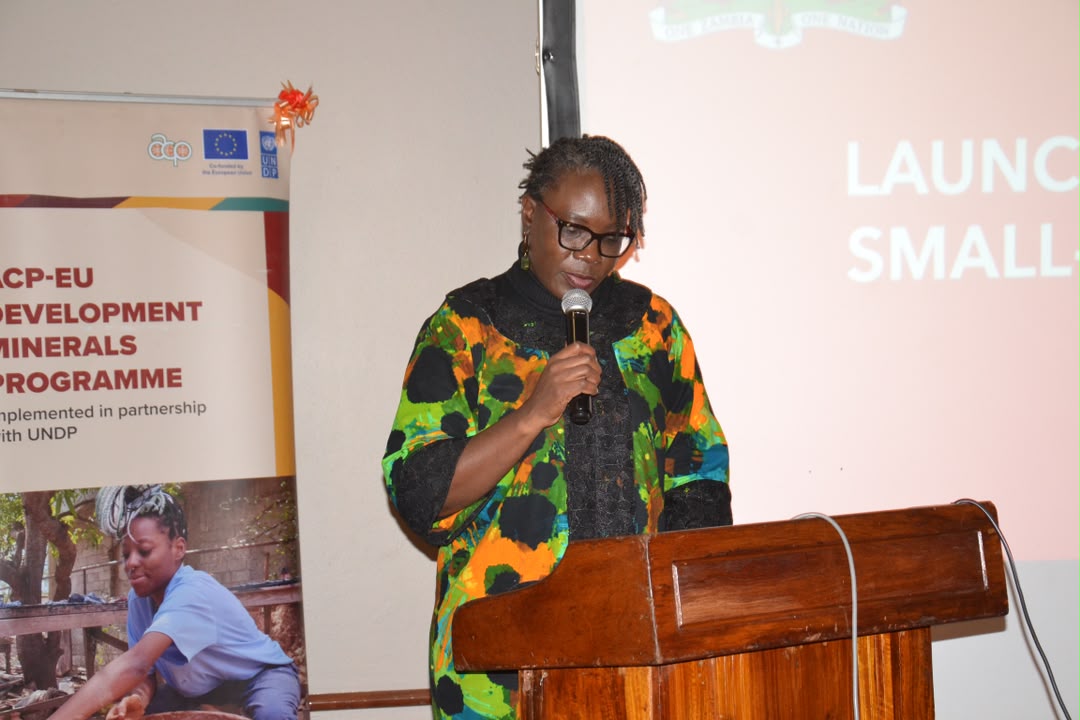
UNDP Zambia’s Mrs. Chali Selisho, Head of the Inclusive Growth Unit, highlighted the importance of the new strategy in supporting more inclusive and sustainable growth in Zambia’s ASM sector.
She noted that “the contribution of artisanal and small scale miners to mineral supply chains is becoming increasingly significant” with the growing demand for critical minerals.
Over the past few years, UNDP has worked alongside the Ministry of Mines and Minerals Development through the ACP-EU Development Minerals Programme to expand economic opportunities in the sector. This support has included developing the ASM Training Manual and implementing initiatives such as the Environmental Governance Programme, Mining Technology Hub, Supplier Development Programme and a digital ASM platform. She noted that successful implementation of the strategy will depend on strong partnerships between government, mining communities, the private sector, financial institutions, development partners, academia and civil society. She reaffirmed UNDP’s commitment to support the implementation of the strategy so that the ASM sector becomes productive, inclusive, resilient, environmentally responsible and beneficial to all Zambians.
Reforms Underway
The Permanent Secretary outlined ongoing reforms: the establishment of the Mineral Regulation Commission, the establishment of the Directorate of Artisanal and Small-Scale Mining, decentralization of selected mining services, improvement to mining licensing systems, recruitment of provincial officers, and nationwide geological mapping.
He also announced that the Ministry will establish an advisory committee to provide oversight, facilitate implementation and monitor progress on the formalization of the ASM sector throughout the implementation of the Strategy.
He emphasized that formalization should be seen not simply as a regulatory requirement, but as a way to improve productivity, environmental management, safety, investment and value addition.
The launch of the Zambia ASM Strategy 2025–2029 marks an important milestone towards a more coordinated, responsible, sustainable and inclusive ASM sector. Its impact will depend on its implementation and whether it brings meaningful changes for artisanal and small-scale miners. The strategy was developed by the Ministry of Mines and Minerals Development with technical and financial support from UNDP through the ACP-EU Development Minerals Programme.